The Systems Engineering specialist unit at armasuisse leads and supports the technical implementation of procurement projects, innovation projects, and modifications to existing systems. In this way, it successfully integrates modern and complex defense systems into the Swiss Armed Forces’ existing system environment.
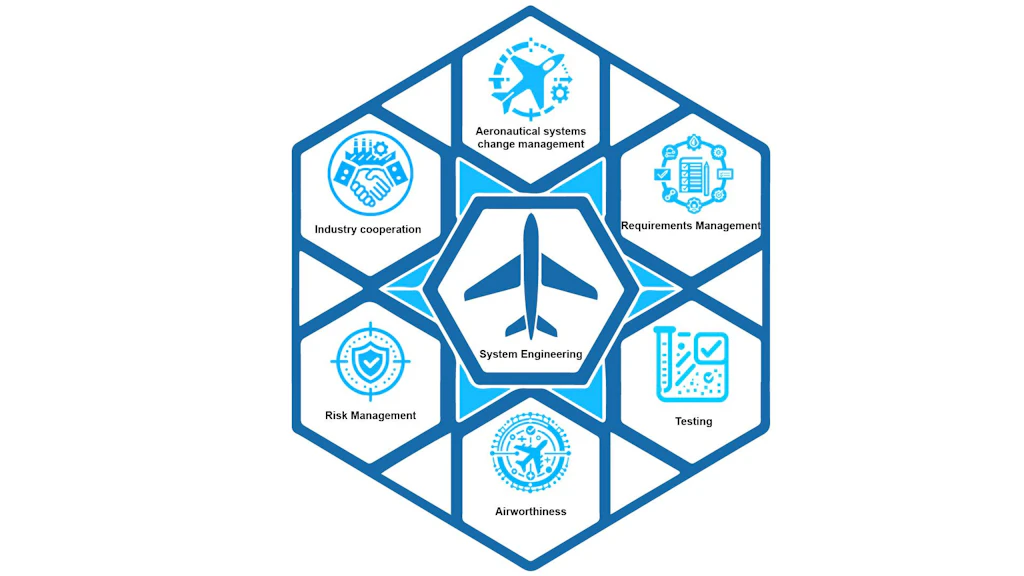
The Systems Engineering specialist unit ensures that the acquired systems optimally meet the requirements of the Swiss Armed Forces and other stakeholders. To this end, it takes into account both the interaction between system components and their integration into the broader system environment (System of Systems). Our systems engineers use specialized methods and tools to model and simulate complex systems. This makes it possible to predict and optimize performance, reliability, safety, maintainability, and costs. On this basis, informed decisions can be made throughout the systems’ lifecycle.
Our competences
Systems Engineering is the central concept underpinning the activities of the Systems Engineering Department. It is an interdisciplinary and holistic approach aimed at developing and improving complex technical systems throughout their lifecycle. It encompasses the design, planning, implementation, analysis, maintenance, and decommissioning of a system.
In the context of procurement projects for aerospace and ground-based air defense systems, the Systems Engineering unit, as the technical lead, assists contracting authorities and clients - most of whom are from the Swiss Armed Forces - in defining their business requirements and those of the stakeholders. Based on this, the department derives the technical requirements, develops system architectures, and oversees the verification of their implementation. In doing so, technical risks and constraints are identified and analyzed at an early stage so that they can be taken into account in the projects.
armasuisse supports the aircraft and ground-based air defense systems in service with the Swiss Air Force throughout their operational life. The Systems Engineering specialist unit is responsible for the technical airworthiness and integrity of the systems and is tasked, in particular, with technical risk management, the approval of minor modifications and repairs, and the technical leadership of development programs.
In addition, the Systems Engineering specialist unit represents Switzerland at international conferences with manufacturers and suppliers, as well as with partner countries for the systems it oversees.
The expertise of the Systems Engineering Department is applied in various projects involving aeronautical and ground-based air defense systems. Here are a few examples.
Mini-drone technology is evolving at a rapid pace and offers new applications in both civilian and military fields.
As part of an initial procurement project, four different drone systems were purchased starting in 2019 for the Swiss Armed Forces for testing purposes. To remain at the cutting edge of technology, next-generation models of these systems were acquired in 2025. The Systems Engineering specialist unit examines existing and evolving requirements, as well as the technical differences of the new systems, assesses technical risks, and manages change.
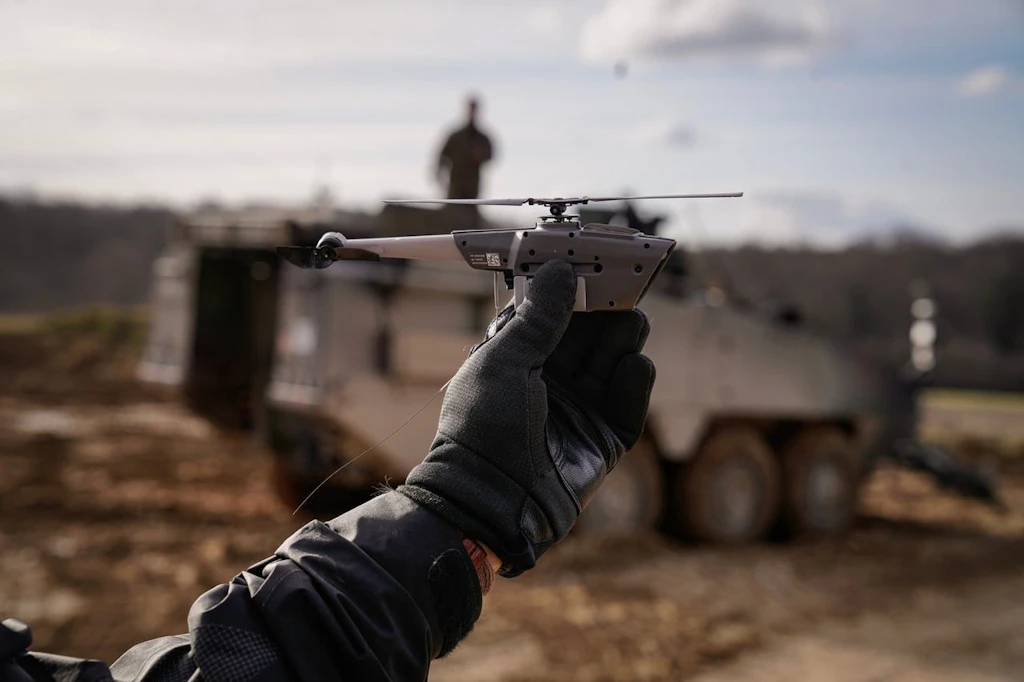
The Black Hornet 3 from Teledyne FLIR, weighing only 33 g, is the smallest drone acquired; it is ideal for indoor reconnaissance missions and does not rely on a signal from the Global Navigation Satellite System (GNSS).
Lockheed Martin’s Indago 3 is a reconnaissance drone designed for infrastructure surveillance and ground troop support. For use in civilian airspace, it is equipped with a FLARM transponder.
Parrot’s ANAFI is a simple, entry-level drone intended for training future drone operators.
Aeronautics’ Orbiter 2b is a larger drone (10 kg, 3 m wingspan), suitable for tactical missions. Despite its size, it remains portable.
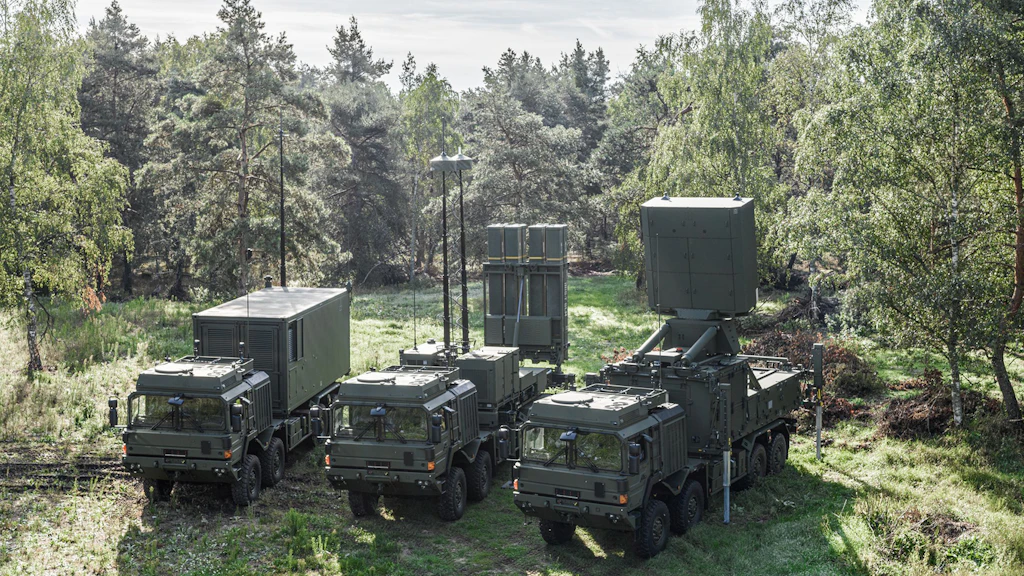
Air defense protects the population, critical civilian and military infrastructure, and military units against threats originating from the airspace. To do so, the Air Force requires not only fighter aircraft but also ground-based air defense systems. As part of the Air2030 program, long-, medium-, and short-range systems are being procured to counter various aerial threats.
The Systems Engineering specialist unit is an essential component of acquisition teams and projects. Beyond the project phase…
… it assists the contracting authority and the military client in defining business requirements and stakeholder needs,
… it derives the technical requirements necessary for drafting the technical specifications,
… it describes peripheral systems at the component level and develops system architectures for their integration into the Swiss system environment,
… it establishes the basis for technical planning,
… it manages technical requirements, changes, and risks,
… it leads reviews as well as verification and validation.
Through these tasks, ground-based air defense systems are effectively integrated into existing structures and meet the Swiss Armed Forces’ operational requirements over the long term.
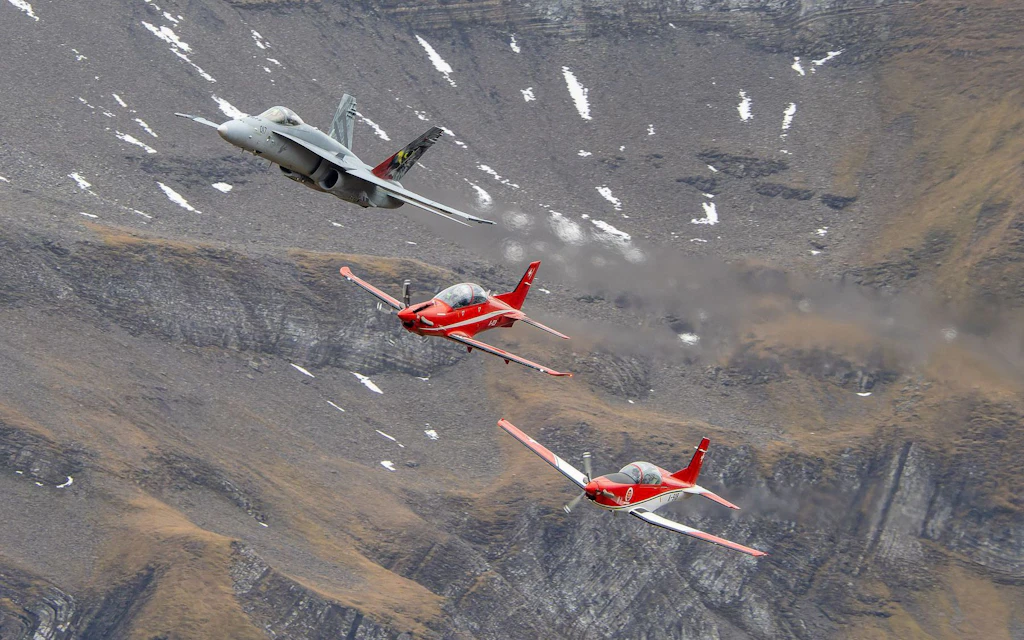
The PC-7 Turbo Trainer has served as a training aircraft since 1982. To ensure its long-term operational capability, modernization work has been underway since 2024, including the replacement of the navigation system and the adaptation of the radio system to European standards. At the same time, the flight simulators are also being technologically upgraded. Following project studies and an evaluation of alternatives conducted by the Air Force and armasuisse, in collaboration with industry partners, Pilatus Flugzeugwerke AG and RUAG MRO Holding AG are responsible for the construction of the aircraft. Thanks to these value-preservation measures, the PC-7 can continue to be used.
Modern simulation systems use virtual reality and mixed reality to optimize training. As part of these modernization efforts, the Swiss Air Force and the “Systems Engineering” division are exploring their integration into the ground-based training system (PC-7 Ground Based Training System). This would enable more efficient and practical pilot training in the future, as well as the flexible adaptation of simulators to various training needs.
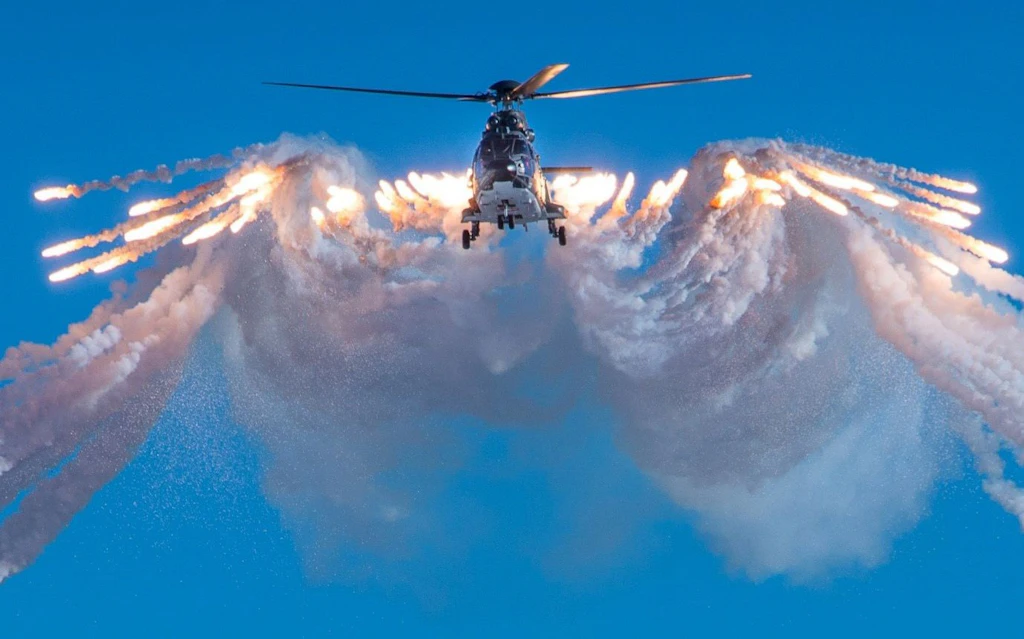
The Cougar transport helicopters were acquired as part of the 1998 armament program and have been in daily use ever since. They are used to transport equipment and troops, as well as to support civilian authorities, particularly during firefighting operations or search-and-rescue missions. They are also deployed in military peacekeeping missions, such as in Kosovo.
To ensure the long-term operational capability of these helicopters, the “Systems Engineering” division is implementing a comprehensive value-retention program starting in 2018. Among the most important measures are:
a new self-protection system with expanded capabilities,
modernized onboard radio equipment,
a state-of-the-art friend-or-foe identification system,
upgrades for satellite-based approach procedures,
a new collision warning system and a helmet-mounted display,
as well as various structural and functional improvements.
These measures enable the expansion of missions in adverse weather conditions as well as in potentially hazardous environments. At the same time, the Cougar fleet has been technically aligned with that of the Super Puma.
The success of this value-retention program is based on close collaboration between armasuisse, the Swiss Air Force, RUAG, and other partners. Thanks to a coordinated systems engineering approach, the work was carried out efficiently and to a high standard of quality.
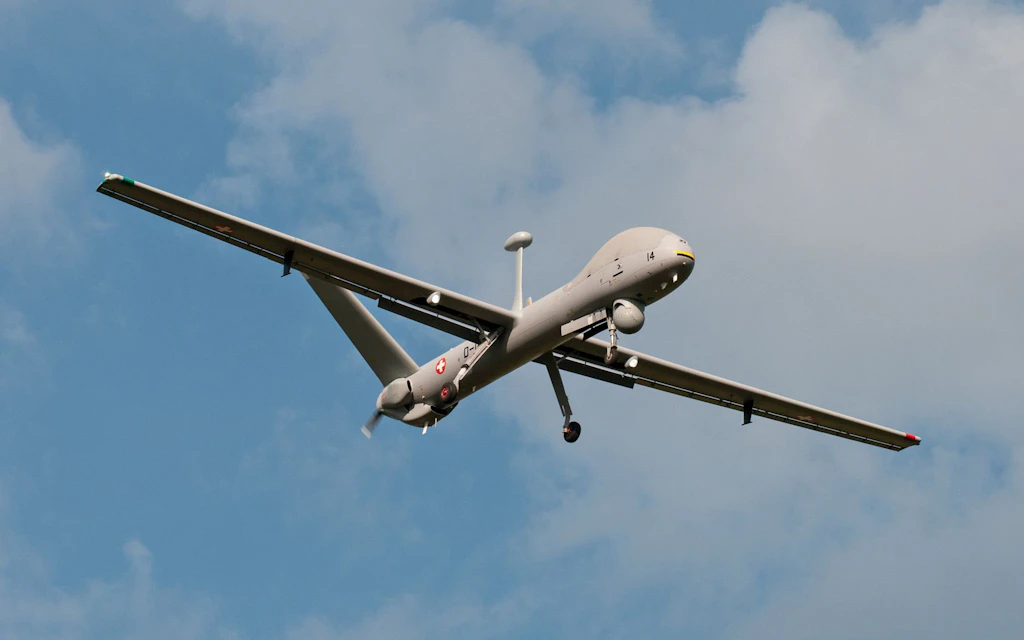
The Reconnaissance Drone System 15 (ADS 15) has been under procurement since 2015 and replaces the Reconnaissance Drone System 95 (ADS 95), which was obsolete and decommissioned in 2019. It provides the Swiss Armed Forces with a state-of-the-art aerial reconnaissance system. As an unmanned and unarmed system, it enables precise reconnaissance of the situation and targets at long ranges, day or night, and over extended periods.
In addition to conventional visual reconnaissance, the ADS 15 can be equipped with additional sensors, including imaging radar for mapping the ground situation and electronic reconnaissance systems for detecting radio transmissions. This versatility makes it a valuable tool for various missions such as:
surveillance of large areas for situational assessment, se
arching for, identifying, and tracking targets,
and reconnaissance aimed at protecting critical infrastructure and friendly forces.
In addition to military applications, such as fire control or command of ground troops, these capabilities are also valuable for supporting civilian authorities, such as cantonal headquarters, police and emergency services, and the Border Guard Corps.
As part of the acquisition project, the Systems Engineering Department is responsible for requirements management, technical changes, and risk management; it develops planning documentation and conducts development reviews. It also oversees the verification and validation phases to ensure flawless operation and compliance with requirements.
The F/A-18C/D Hornet fighter jets were acquired as part of the 1992 armament program and entered service with the Swiss Air Force in the late 1990s. Thanks to ongoing modernization programs, their performance has been maintained at a current level over the past two decades.
To ensure the operational capability of the F/A-18s until new fighter aircraft enter service, a project was launched in 2015 to extend their service life by 1,000 flight hours, bringing it to 6,000 flight hours per aircraft. This program included:
structural upgrades to address identified weaknesses,
detailed inspections to ensure airworthiness,
upgrades to subsystems, including engines, radar-guided missiles, and avionics.
The Systems Engineering specialist unit is responsible for the technical integrity of the system and is specifically in charge of managing airworthiness-related risks, approving minor modifications and repairs, and providing technical leadership for future developments. In addition, the “Systems Engineering” department represents Switzerland at international conferences bringing together manufacturers, suppliers, and partner countries.
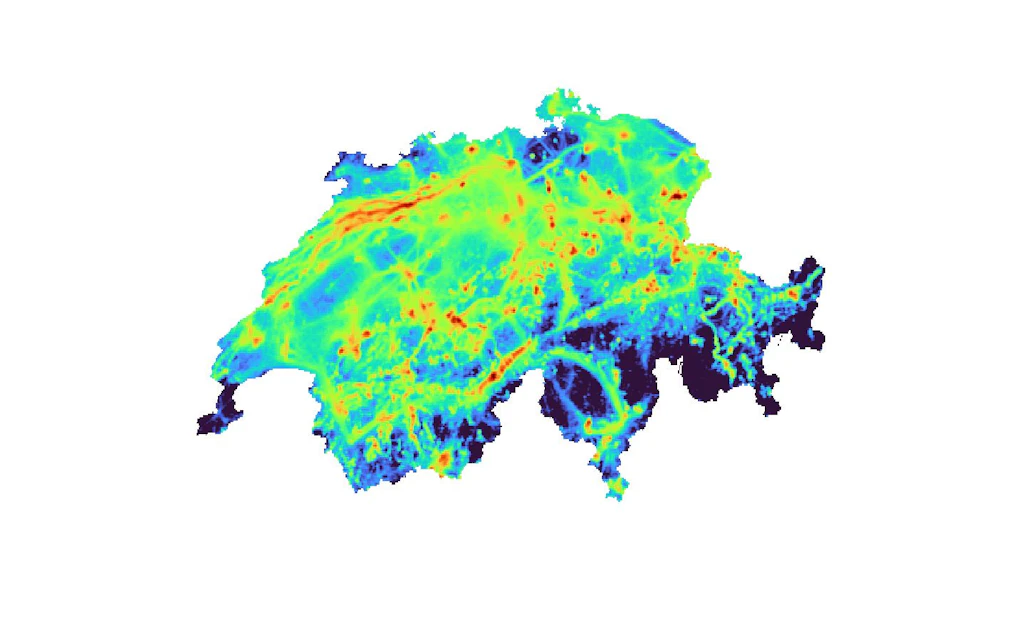
To ensure air traffic safety, aviation authorities require risk analyses before authorizing new systems and procedures. Quantitative analyses and simulations are increasingly used in the operational domain, particularly in unmanned aviation.
The Systems Engineering Department supports the Swiss Military Aviation Authority (MAA), the Federal Office of Civil Aviation (FOCA), and the international scientific community by providing mathematical models and simulations, data analyses, and expertise for evaluating proposed procedures and technical solutions, as well as for developing regulations.