

REPMUS 2026: armasuisse represents Switzerland at leading international exercise
From 31 August to 25 September 2026, the international programme REPMUS (Robotic Experimentation and Prototyping with Maritime Unmanned Systems) took place in Troia, Portugal. Switzerland participated under the leadership of armasuisse Science and Technology (S+T), with a team comprising five industry partners.
Moana Häfeli, Staff, armasuisse Science and Technology
In brief
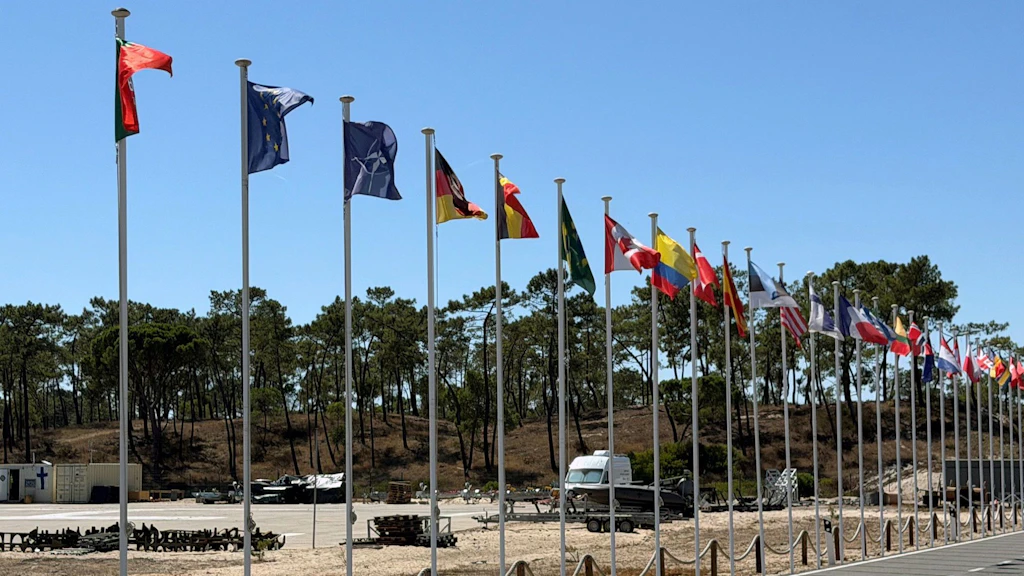
REPMUS is the world’s leading experimental program for maritime unmanned systems (MUS). Held in Troia, Portugal the event is coordinated and organized by the Portuguese Navy and various international organizations, including NATO, the European Defence Agency (EDA) and national institutions. In 2026 armasuisse Science and Technology (S+T) acted as Switzerland’s national lead assembling a team of five Swiss industry partners. They participated in international exercises, promoted knowledge exchange and demonstrated innovative technologies to a broad international audience.
REPMUS: The leading experimental exercise for maritime unmanned systems
Since its launch in 2010, the Robotic Experimentation and Prototyping with Maritime Unmanned Systems (REPMUS) has continued to grow. Today, REPMUS is the world’s leading experimental exercise for maritime unmanned systems (MUS). The 2026 edition brought together several thousand participants from more than 30 countries.
The event, which takes place over several weeks, is hosted and led by the Portuguese Navy and co-organized alongside the Joint Capabilities Systems (JCGMUS) of NATO, the NATO Centre for Maritime Research and Experimentation (CMRE), the Faculdade de Engenharia da Universidade do Porto and the European Defence agency (EDA).
At the heart of the exercise is the testing of various unmanned and autonomous systems. Further, REPMUS provides a unique opportunity for academia, industry and end-users to test not only unmanned systems, but also intelligence, surveillance and reconnaissance (ISR) concepts and interoperability under real-world conditions and in operational scenarios. This collaborative environment helps drive technological development, identify new applications and demonstrate the capabilities of unmanned systems in multi-purpose operations.
Focus of REPMUS 2026
In 2026 the exercise focused on seven core operational areas designed to advance the integration, tactics, and interoperability of unmanned systems in maritime warfare. Including following areas:
- Naval Mine Warfare (NMW): Advancing autonomous underwater vehicle (AUV) procedures, accelerating data processing, and evolving tactical cooperation from sequential exercises into a single, unified operational scenario.
- Rapid Environmental Assessment (REA): Rapidly collecting, processing, and distributing oceanographic and meteorological data to quickly integrate environmental intelligence into the Common Operational Picture.
- Critical Undersea Infrastructure Protection (CUIP): Monitoring, detecting, and countering threats directed at undersea communication cables, pipelines, and strategic energy installations.
- Intelligence, Surveillance, Reconnaissance & Port Security (ISR): Deploying interconnected sensors from seabed to space to build real-time tactical situational awareness, specifically focusing on generating a Recognized Underwater Picture to secure ports and coastal approaches.
- Command, Control, and Communications (C2): Testing open-architecture standards like STANAG 4817 to ensure seamless, secure live data sharing between multi-national unmanned systems and allied command structures.
- Counter-Unmanned Systems & Electronic Warfare: Developing force protection tactics against asymmetric drone threats and testing hardened, anti-jamming communication systems in GNSS-denied environments.
- Swarm Operations: Demonstrating collaborative autonomy where multiple unmanned air, surface, and underwater vehicles coordinate missions simultaneously with minimal human intervention.
One of the major improvements at this year’s edition was the implementation of STANAG 4817, a NATO standard designed to ensure the interoperability of unmanned systems, including aerial, surface, and underwater drones. The standard “STANAG 4817” was validated and tested during REPMUS 2026 to ensure that every asset can report its position.
armasuisse at REPMUS 2026
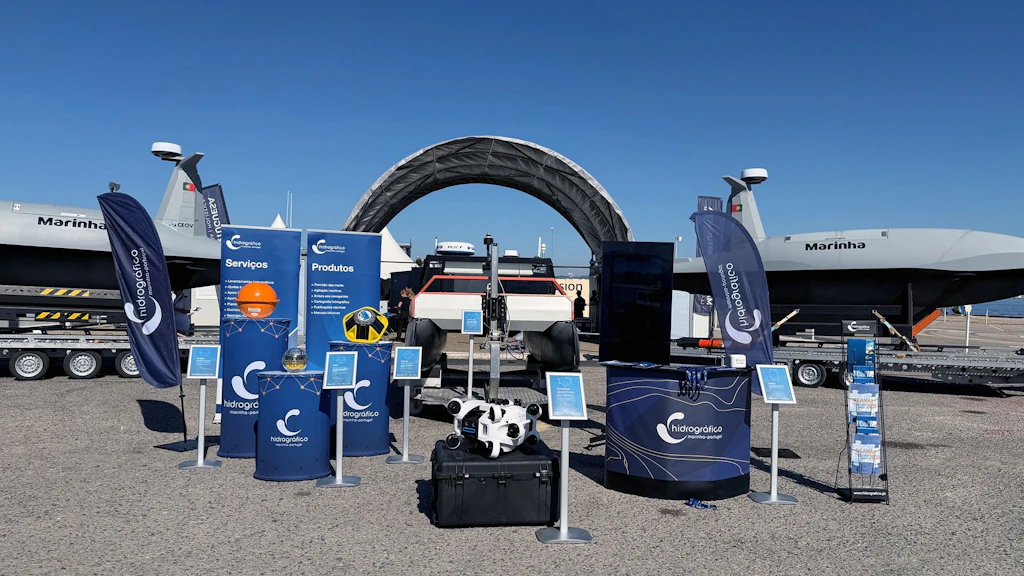
For the second year running, Switzerland – represented by armasuisse Science and Technology (S+T) as the national lead– was present with its own team in Troia, Portugal, comprising start-ups, industry representatives and experts from armasuisse.
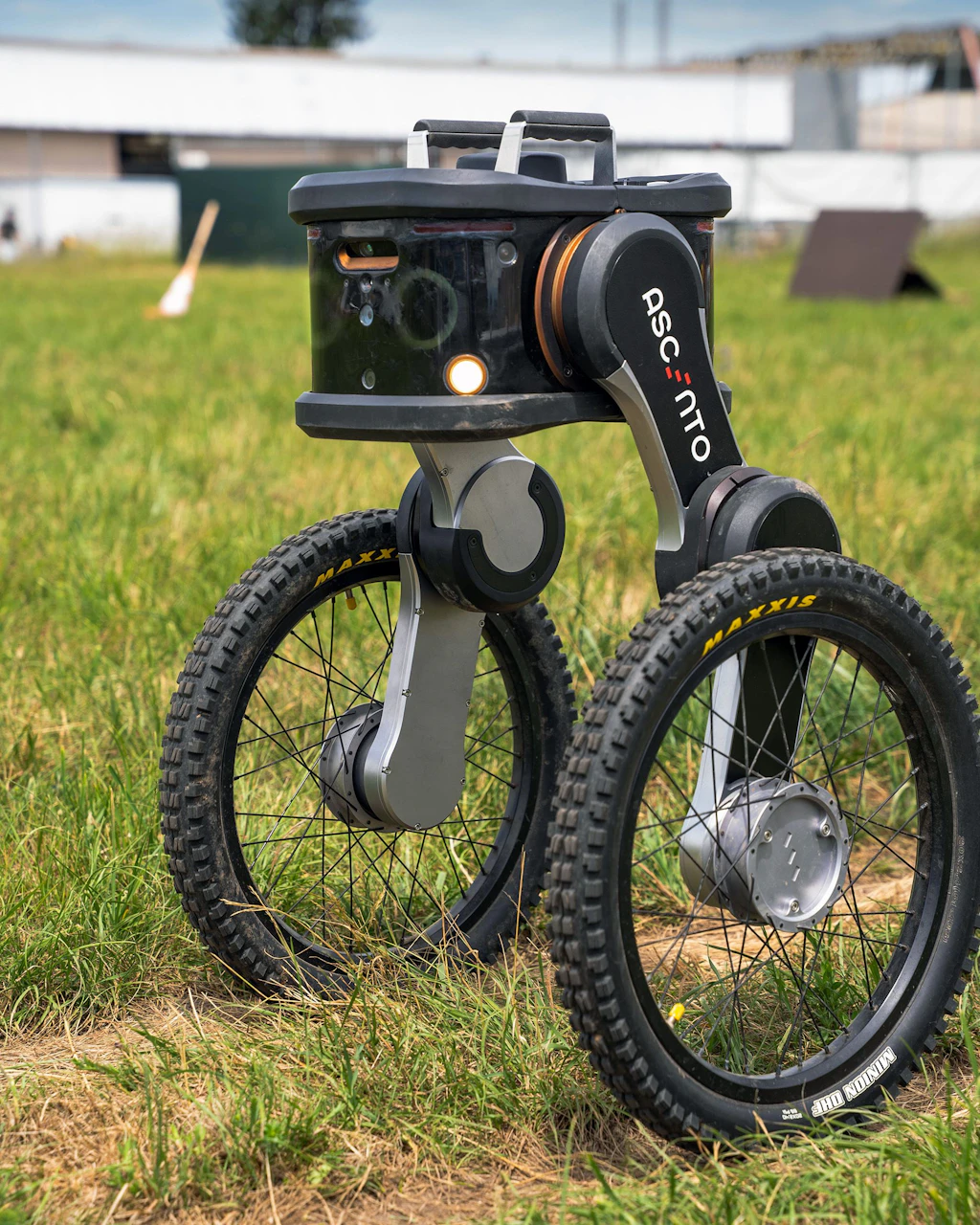
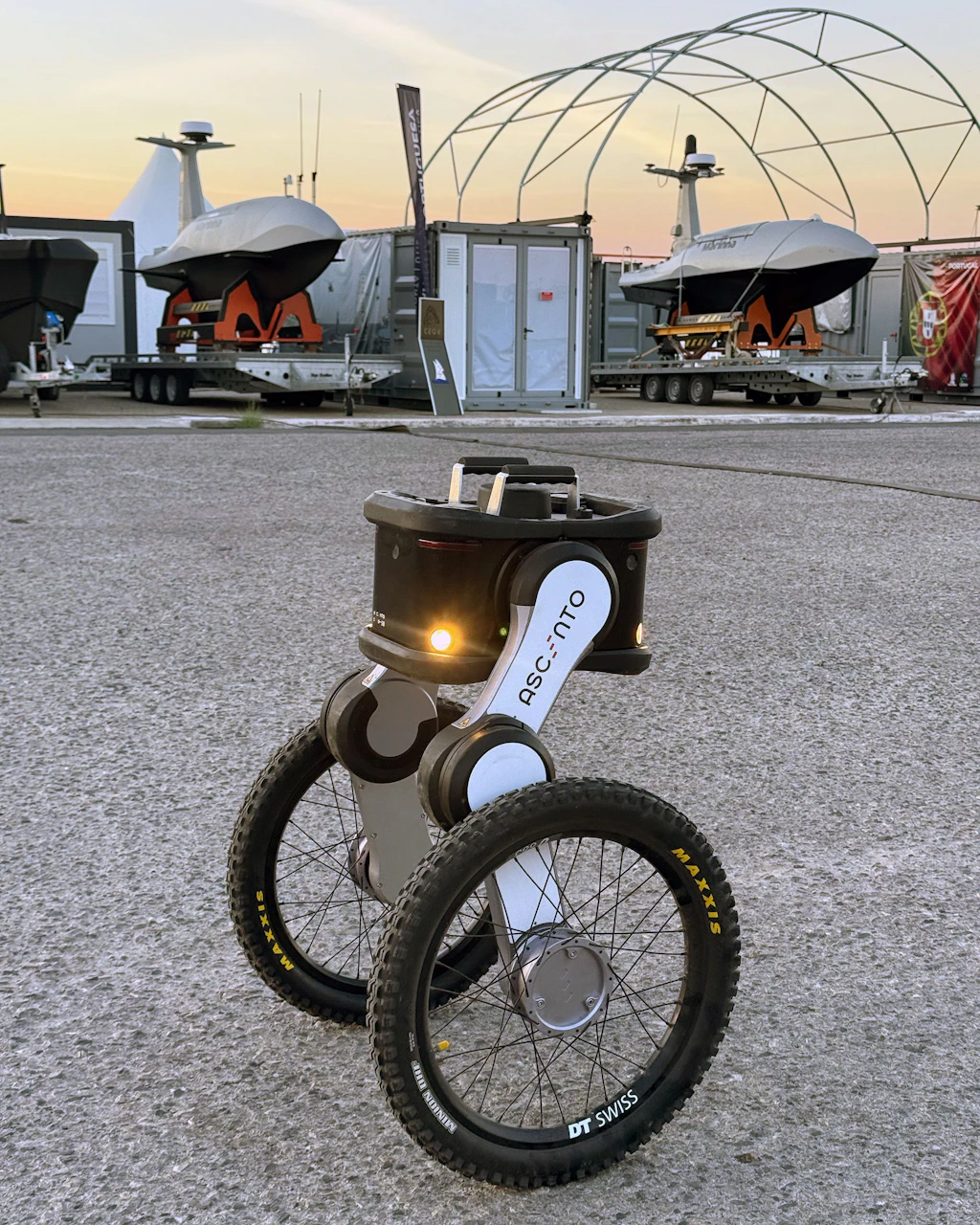
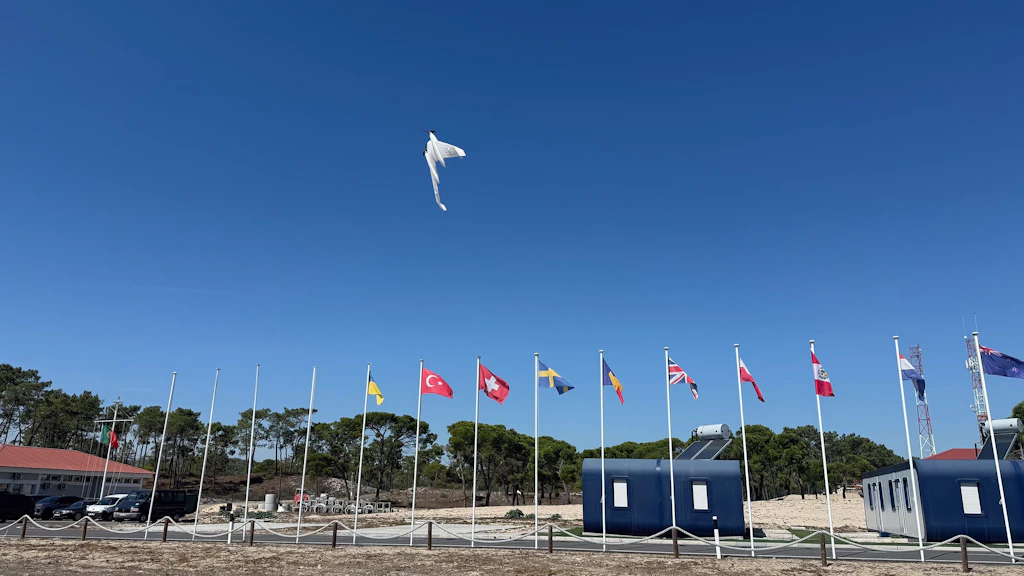
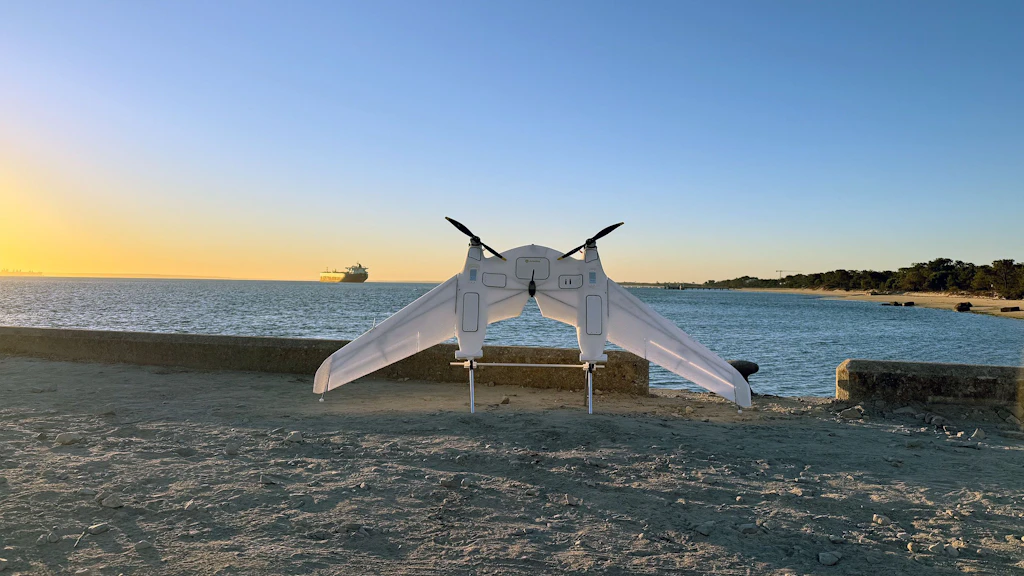
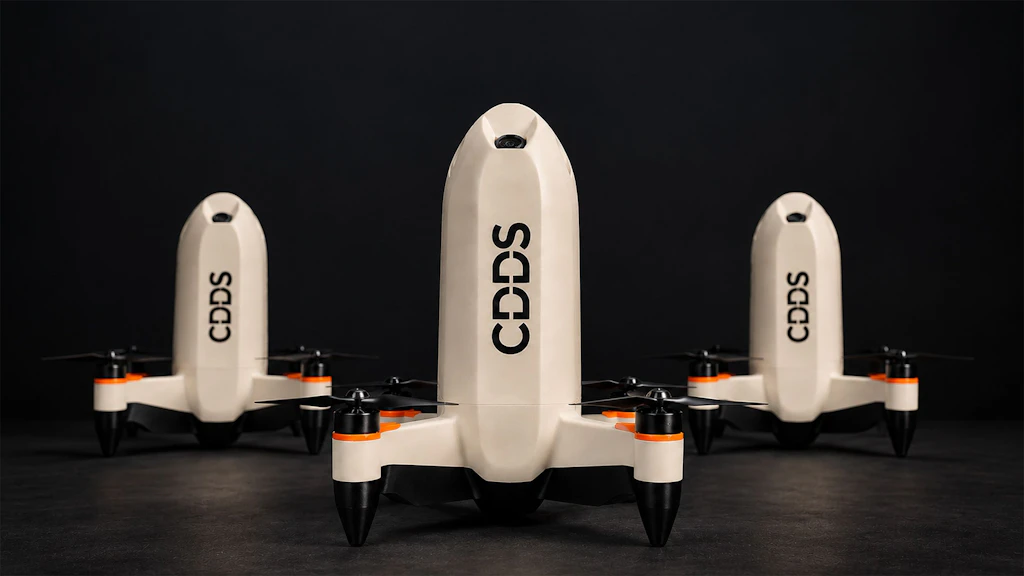
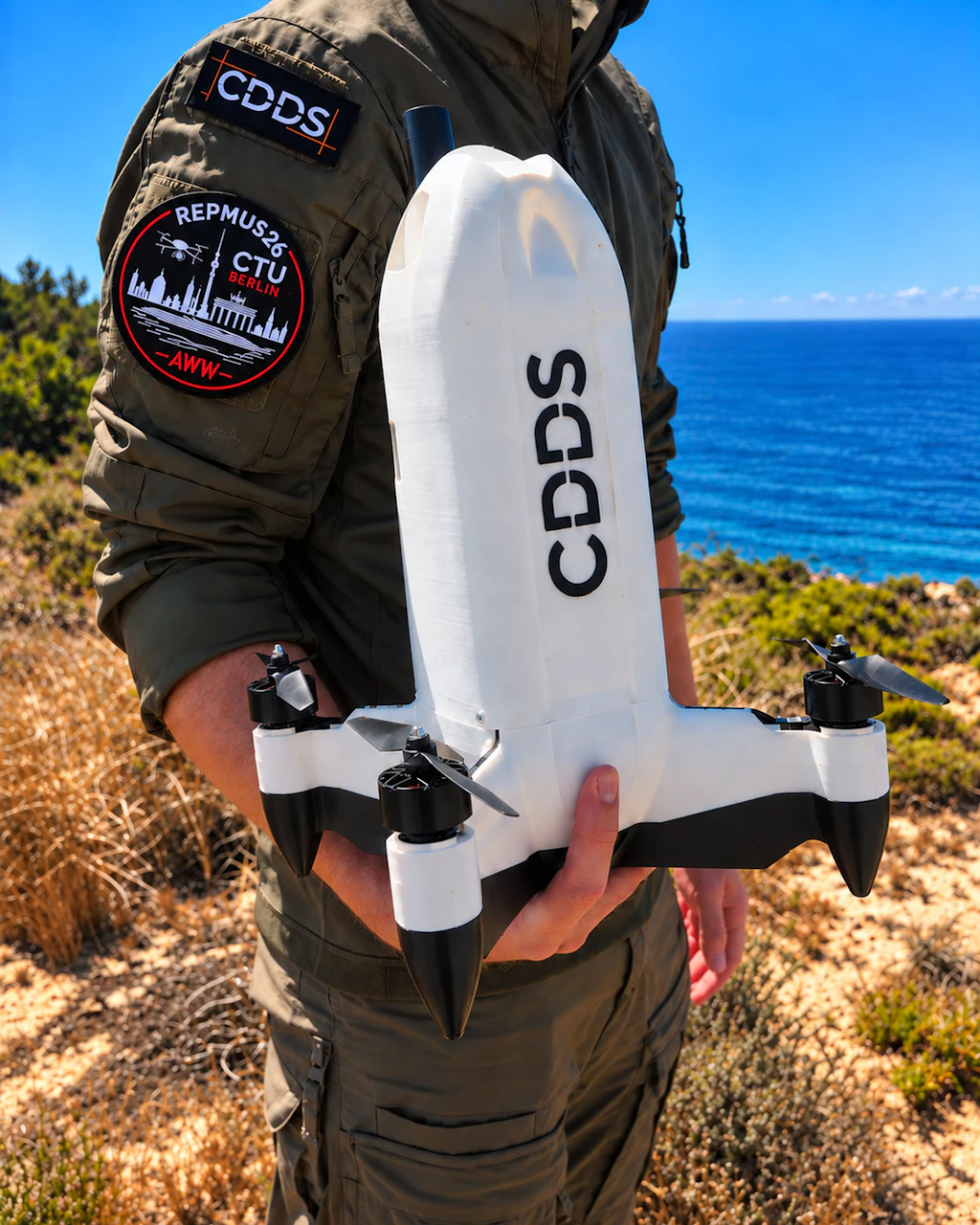
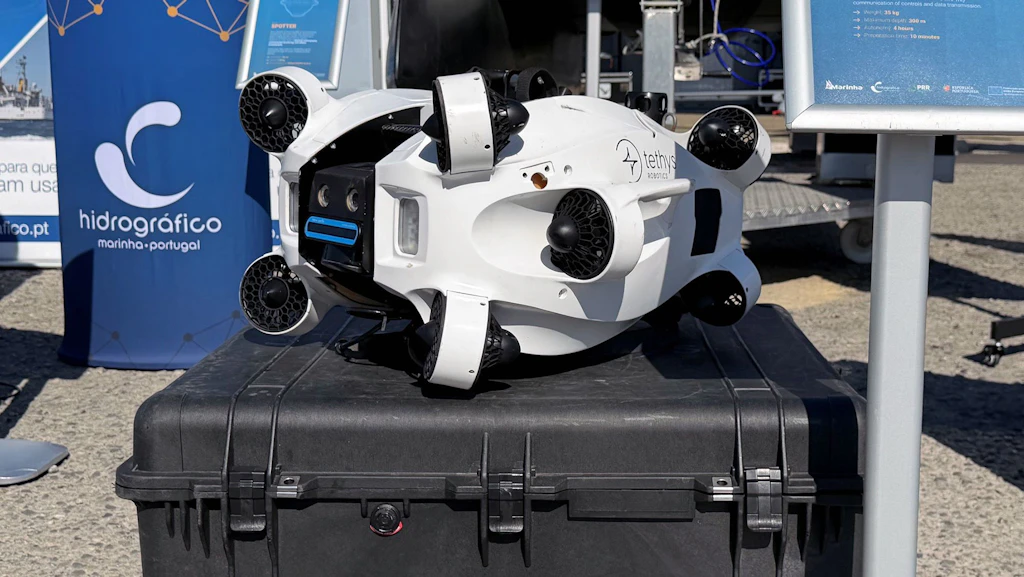
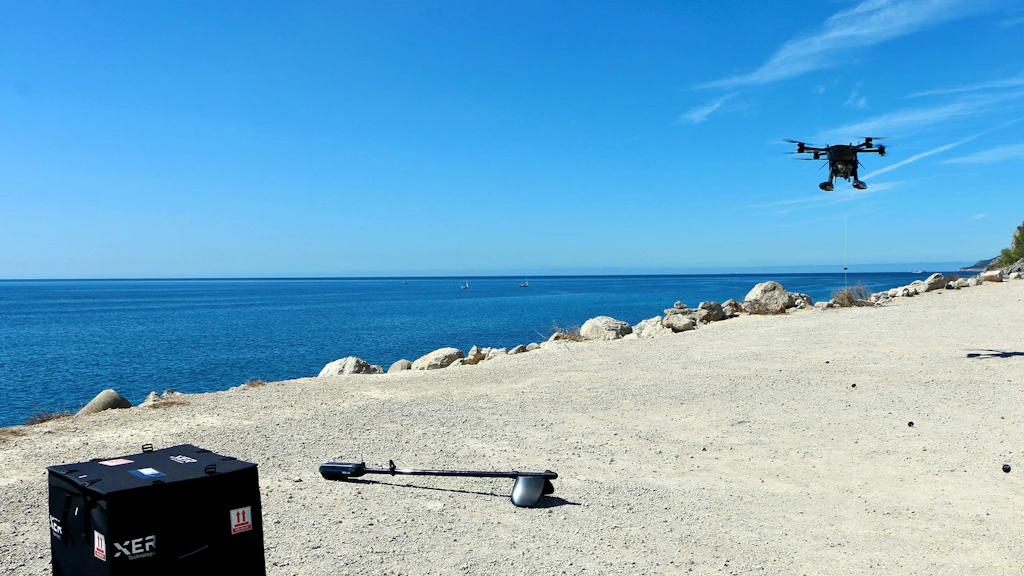
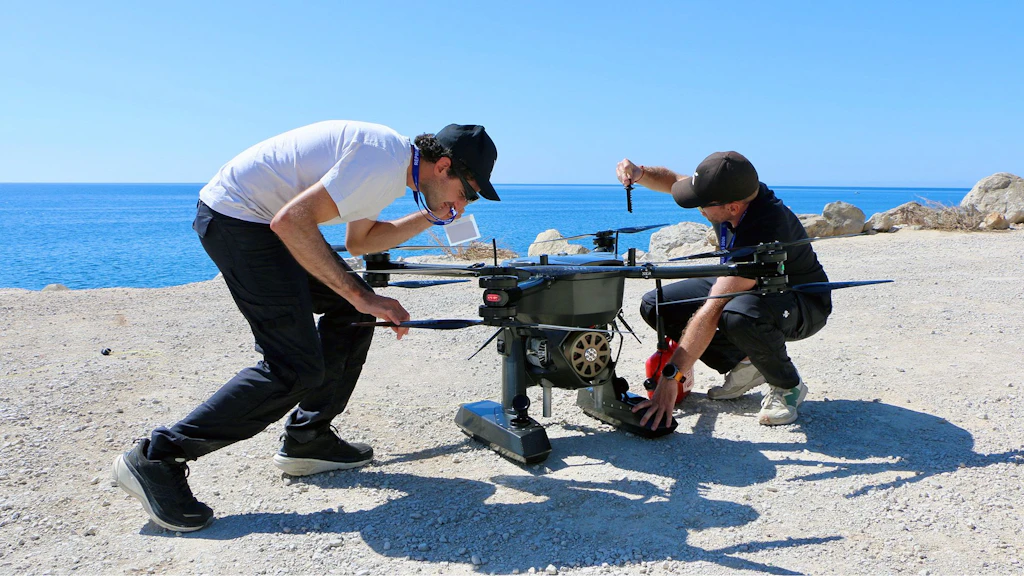
Five industry partners – Ascento, Avientus, CDDS, Tethys Robotics and Xer Technologies – attended as part of the Swiss team, already expanding Switzerland’s presence at REPMUS compared to the previous year.
Participation in REPMUS gives Switzerland and armasuisse an opportunity to strengthen existing partnerships, build new national and international connections and showcase technological expertise to key stakeholders. For industry partners, the event provides a valuable environment to receive operational feedback, accelerate prototype testing and demonstrate their technologies to an international audience.
During this year’s final demonstration, the international visibility of Swiss industry was further enhanced, as Swiss companies were among those selected to showcase their technologies in front of VIPs. This provided an additional opportunity for the Swiss industry to strengthen their presence and underlined a successful 2026 initiative.
I am proud of the Swiss companies’ part of REPMUS this year and about the robustness and efficiency of their different assets
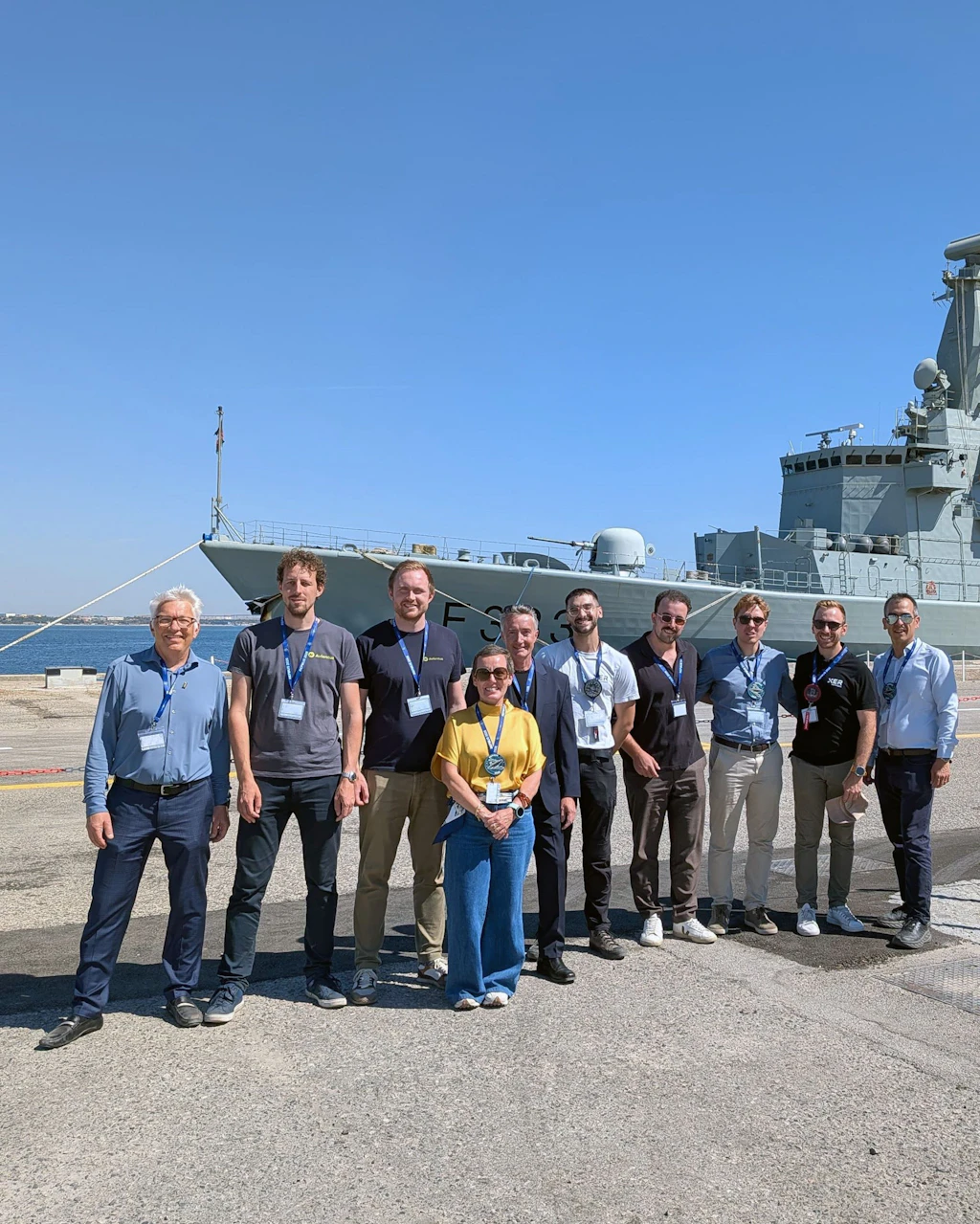
Participating industry partners in 2026:
Conclusion and Outlook
Once again Switzerland brought its innovation capabilities into REPMUS and underlined the need to develop and standardize new technology in collaboration with partners from NATO and the EU. This strengthens Switzerland’s position as a trusted partner in the fields of innovation, defence and security
This kind of international cooperation is crucial to ensuring compatibility and integration within the international community. REPMUS provides real-life examples of how autonomous systems can support the protection of territory, how rapidly technologies are evolving, and it demonstrates the growing influence of artificial intelligence in autonomous systems.
armasuisse S+T is proud to have been part of REPMUS 2026 and to contribute to this unique platform. Moreover, armasuisse S+T would like to thank all participating Swiss companies for their valuable contributions, as well as all involved partners for their commitment, support and organization.