«One of Us» : Steve Allemann
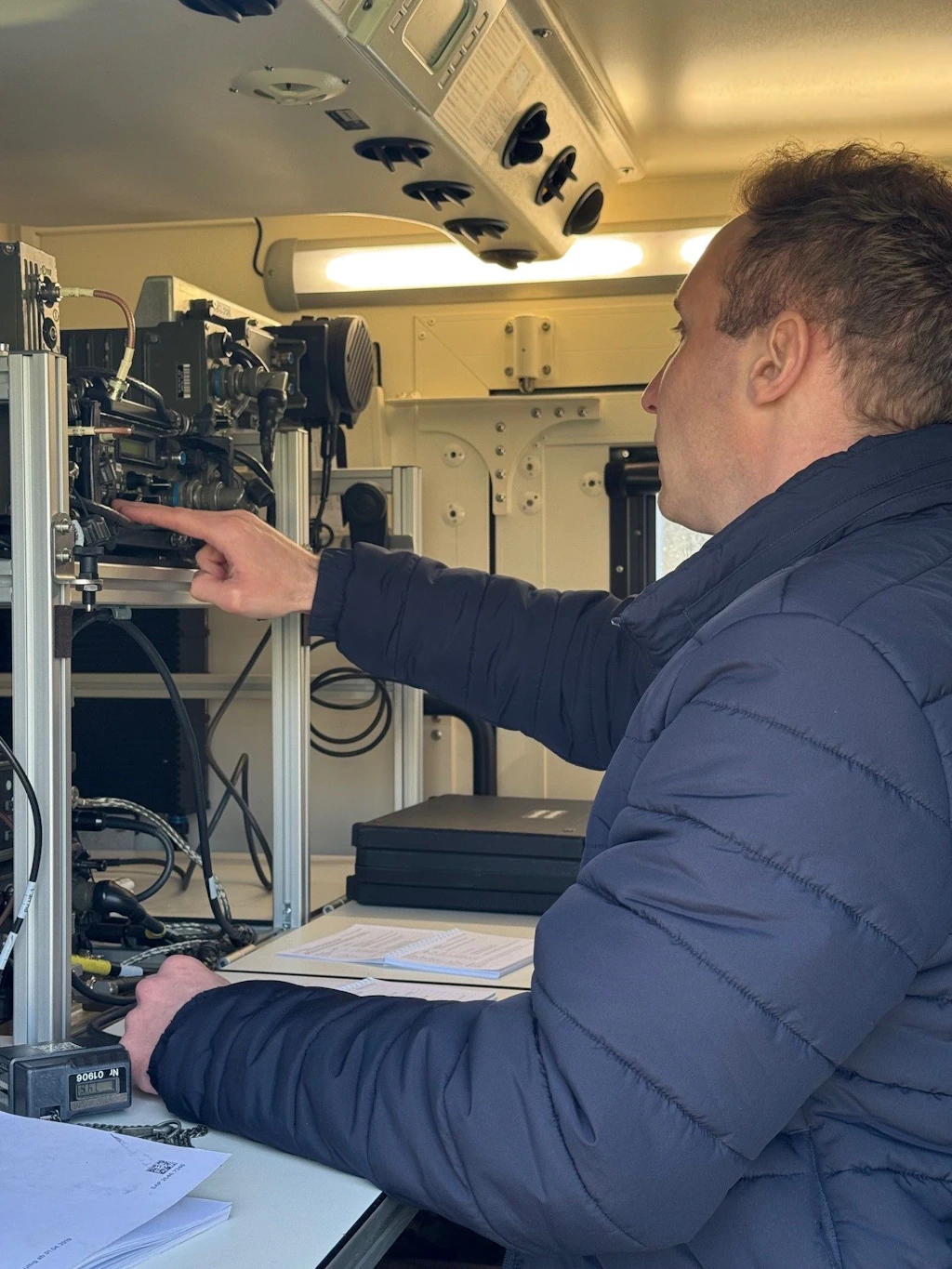
Whether he’s restoring jukeboxes from the 1950s or working on the complex IRIS-T SLM air defence system project, Steve Allemann, as an electrical engineer, combines technical finesse with a structured approach. Courage, openness and a fascination with innovation drive him – both at work and in his spare time. In this interview, he tells us about his day-to-day working life and the parallels he sees between his job and his hobby.
Julian Martin, specialist area Cyber Defence, armasuisse Science and Technology
Profile
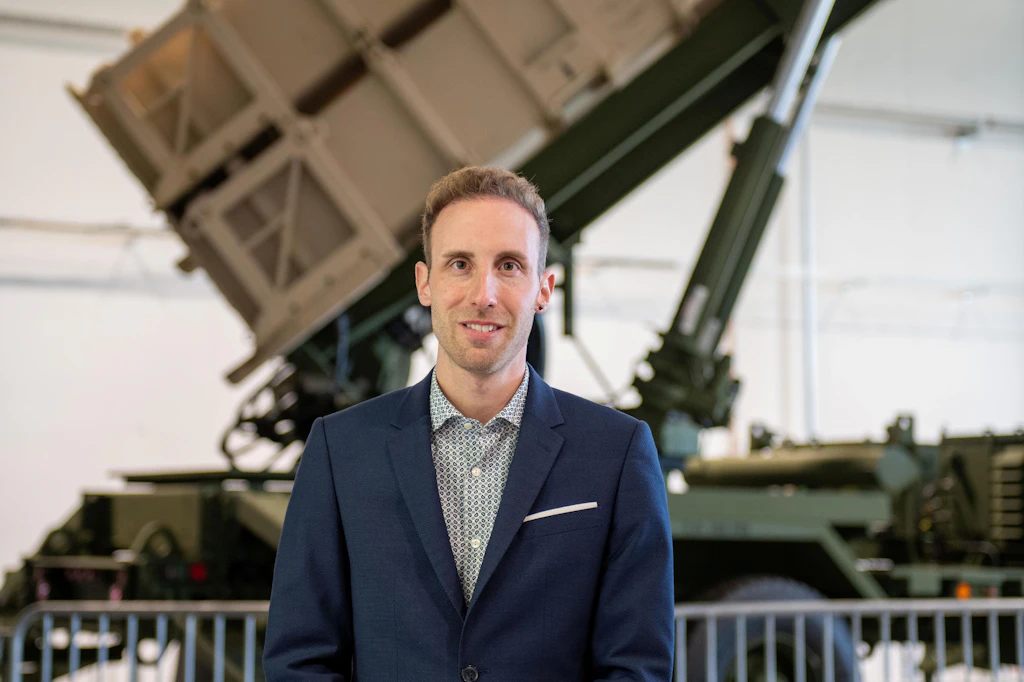
- Name: Steve Allemann
- Age: 35
- Position: Project Manager III, Systems Engineering Department S+T
- Project: IRIS-T SLM
- With armasuisse since: 2021
What do you like to do in your spare time?
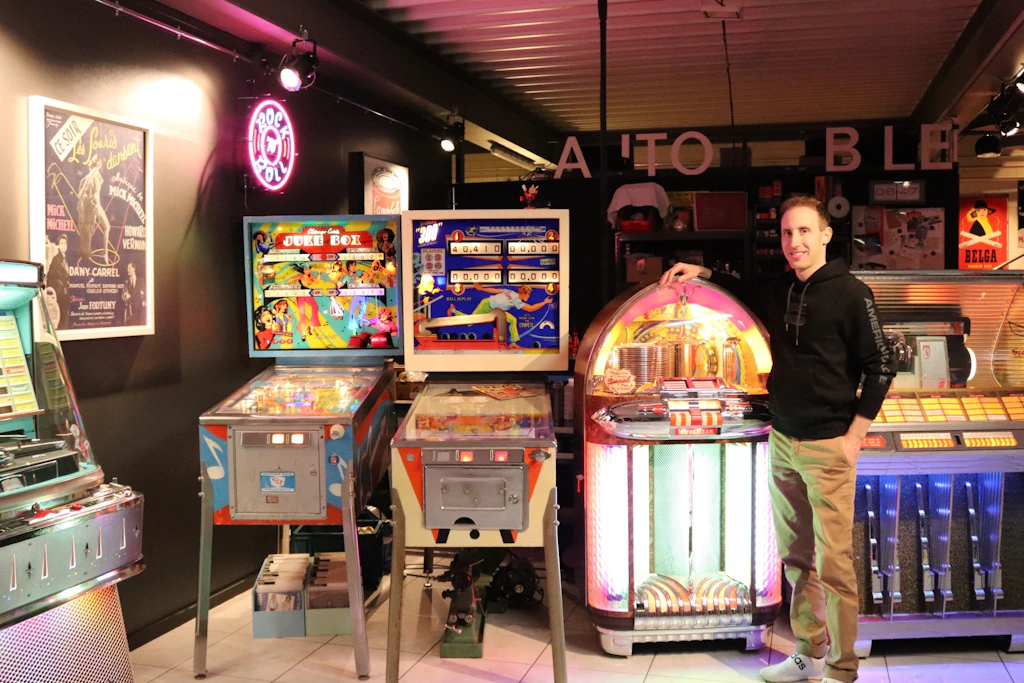
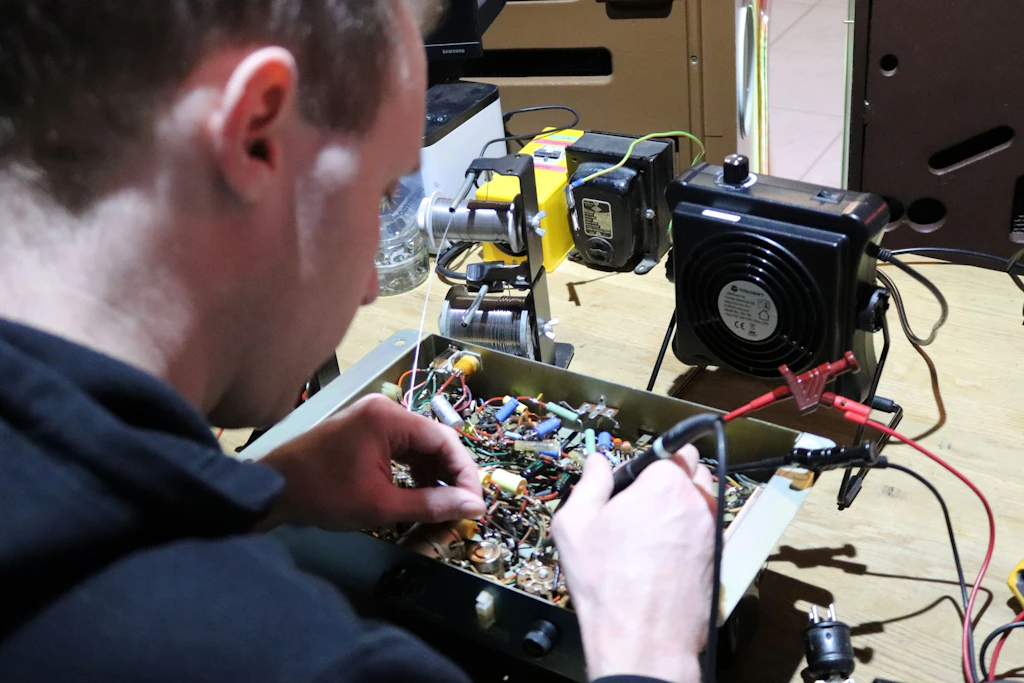
In my spare time, I restore American jukeboxes from the 1950s and 60s. I love the spirit of that era, the history of music and, in particular, the technology, which was very sophisticated and elaborate for its time. It’s a lovely way to unwind from my day job. Restoring them helps me switch off completely: you sit down in front of the jukebox and immerse yourself in another world. Each year, I restore about two jukeboxes and repair dozens of valve amplifiers and control units.
To what extent do you apply armasuisse’s values in your day-to-day work?
Two values are particularly important to me in my work: on the one hand, courage in the sense of making clear and well-founded decisions. On the other hand, openness is a key priority for me. That means communicating transparently, even when it isn’t always pleasant. This applies not only within armasuisse, but equally to our collaboration with partners such as the Air Force, the LBA or Cyber Command. It is important to be able to deal with conflicts and accept criticism. I expect the same from those I work with. I hold this conviction not only in my professional life, but also in my private life.
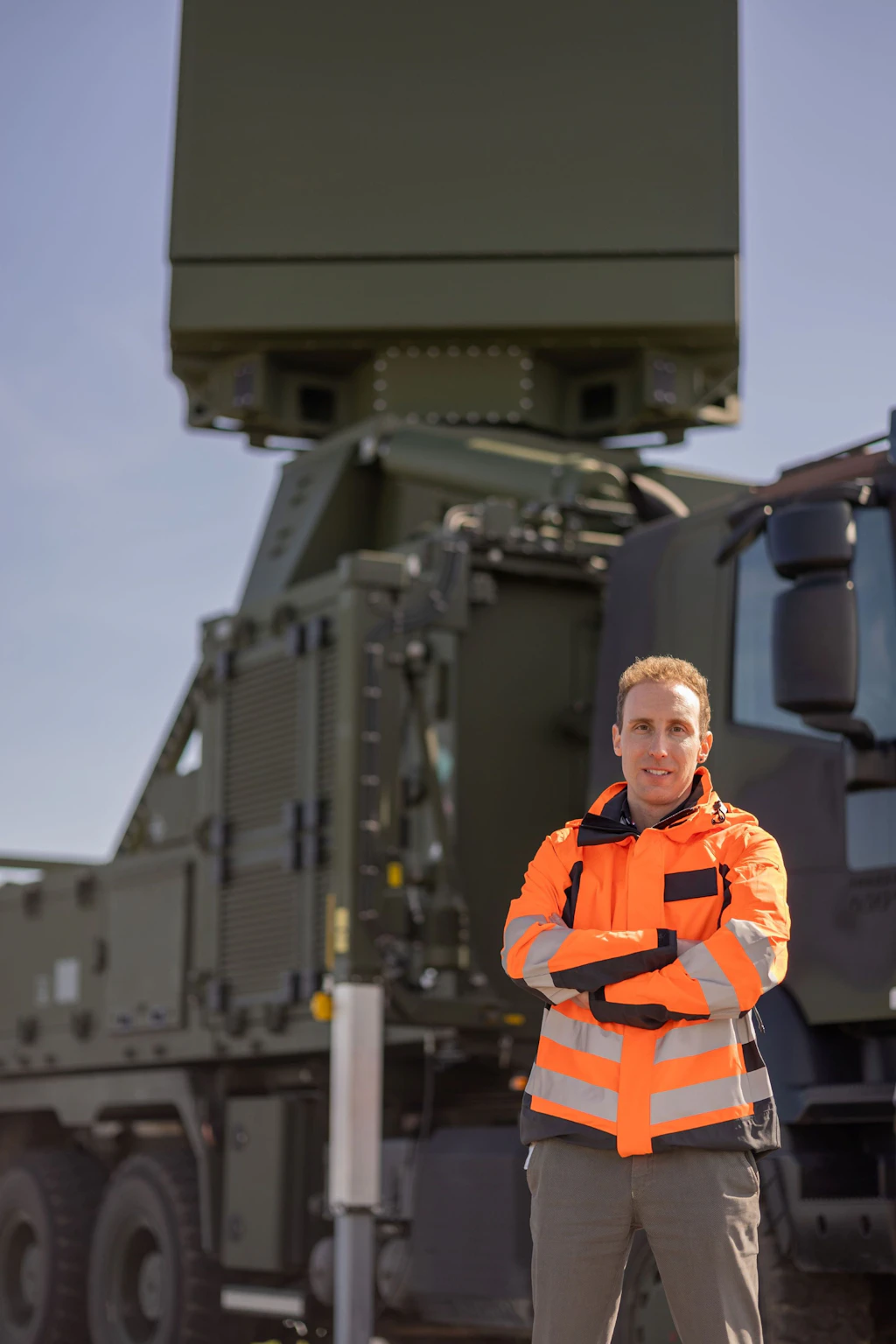
You are responsible for the IRIS-T SLM system. Tell us more about it.
We’re talking about integrated air defence, where airborne and ground-based systems, sensors and software for airspace surveillance interact closely and are networked. As there is no single system capable of countering all airborne threats, ground-based air defence – known as BODLUV – is based on a layered approach. This comprises three different systems. The IRIS-T SLM system covers the medium range.
What motivates you to work on a complex defence-related project like this every day?
I am proud to be able to contribute to our security, particularly in times of significant geopolitical tension. The ongoing wars clearly demonstrate the vital importance of ground-based air defence. Demand for BODLUV systems has risen worldwide. The IRIS-T SLM system is in use in Ukraine, which is also a significant time for the manufacturers. Technical developments among system manufacturers are progressing rapidly thanks to the lessons learnt from these conflicts. As an electrical engineer, I am particularly fascinated by the aspect of technological development. We, too, are faced with new challenges – such as procuring such systems at very short notice. I enjoy such challenges, with their new starting points and conditions.
Which phase of the Bodluv MR project had the greatest impact on you? Were there any phases or challenges within the project from which you learnt a great deal?
It was definitely the evaluation phase. We had half a year from the project brief to the final evaluation of the proposal. I learnt a great deal during that time and would be much more relaxed in a similar situation today! You have to set priorities and let certain aspects go. Consistent risk management was particularly important, as a lack of time usually leads to taking greater risks. At the same time, it takes courage to make decisions – because without decisions, you can’t make any progress.
Do you see any parallels between your hobbies and your work in project management?
Absolutely. A structured and iterative approach is needed to breathe new life into the devices. First comes the analysis – ‘What is the problem?’ – then a rough breakdown into sub-problems – is it mechanical, electrical, etc.? After that, studying and, in some cases, designing the electrical and electromechanical circuits. These are all aspects of systems engineering, which is also how we work in the Systems Engineering department. Of course, the scale and scope aren’t comparable to an IRIS-T SLM procurement, but the systematic approach to ‘how do I solve a problem’ is certainly comparable.
Perhaps a few words about the future?
I hope that we will adapt to the changed circumstances resulting from the current conflicts and simplify our processes. This will enable us to procure systems for Switzerland’s security successfully and in a timely manner. This requires the courage to embrace change and a willingness to break new ground.
Infobox BODLUV MR Project
- System name: IRIS-T SLM
- Manufacturer: Diehl Defence (Germany)
- Range: approx. 20 km vertically and approx. 40 km horizontally
- Procurement scope: 5 fire units (planned, plus 2 under the 2026 Armaments Programme)
- Delivery: First system expected by the end of 2028
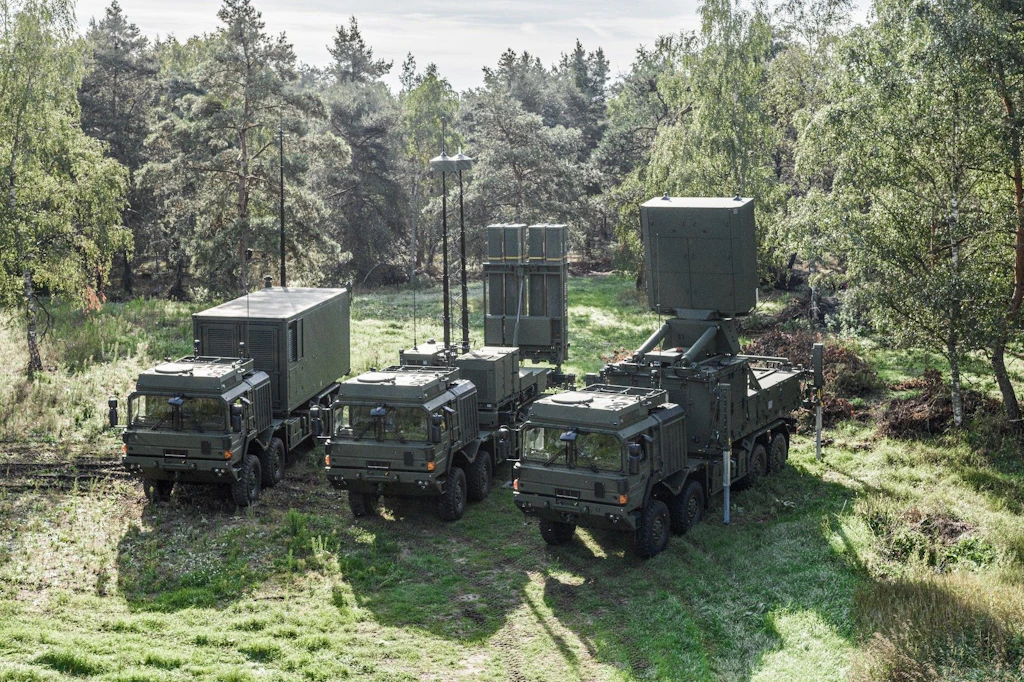
The ground-based air defence system IRIS-T SLM from Diehl Defence is designed to counter airborne threats. It protects cities, critical infrastructure, military bases and troops against aeroplanes, helicopters, drones and cruise missiles. The system can track and engage multiple targets simultaneously in all directions. As all components are mounted on vehicles, the system can be rapidly deployed. IRIS-T SLM operates in a networked configuration with other air defence systems.
The guided missile utilises modern sensors and data links. It can engage targets even when they are manoeuvring rapidly or attempting to protect themselves using electronic countermeasures. The system has proven itself in real-world operations.
In short: IRIS-T SLM is a modern German air defence system designed to protect against virtually all major airborne threats within a range of up to approximately 40 km and an altitude of 20 km.