

The structure of the Competence Centre for Artificial Intelligence and Simulation
Artificial intelligence and simulation are also gaining momentum in the defence and security environment. To follow these trends, as well as to be able to generate ideas and solutions for institutions of national security, armasuisse Science and Technology (S+T) has created a Competence Centre for Artificial Intelligence and Simulation. In the first interview of this two-part series, Michael Rüegsegger, Director of the Competence Centre, tells us more about his work and the goals of the Centre.
Interview with Michael Rüegsegger, Head of the Competence Centre for Artificial Intelligence + Simulation at armasuisse Science and Technology; conducted by Moana Häfeli, Staff, Science and Technology
In brief
The goal of the Competence Centre for Artificial Intelligence (AI) and Simulation of armasuisse Science and Technology (S+T) is to develop and transfer innovative solutions for institutions of national security. In the two-part interview series, experts from armasuisse S+T and the Armed Forces speak about the role of the new Competence Centre for AI and Simulation, the nationwide cooperation as well as the opportunities and challenges of AI and simulation.
Michael, as part of the development of armasuisse 4.0, you were assigned the task of establishing a development plan for the Competence Centre for Artificial Intelligence (AI) and Simulation at the beginning of 2024. This was completed last September. What is the role of this new competence centre created within armasuisse Science and Technology (S+T) and which shortcomings can it help to remedy?
The role of the Competence Centre for AI and Simulation is to develop and transfer innovative solutions for institutions of national security. We work together closely with the end users of all federal offices within the Swiss Federal Department of Defence, Civil Protection and Sport (DDPS). We develop technical solutions so that they can meet their challenges in the best possible manner. We don’t just develop theoretical scientific bases or test marketable products, we also supply innovative solutions to the field and test them together with the end users. In addition to the scientific bases and testing, we are thus closing the gap to innovation.
A S+T competence centre supports internal partners in the utilisation of technological knowledge in innovative solutions.
How do such challenges present themselves? Can you give an example?
Today’s simulation landscape of the Armed Forces consists of a variety of simulators which are operated as silos. Simulations of joint armed forces and cross-operational domains for armed forces development, combat support and training are not possible with this architecture. Together with the Competence Centre for Simulation of Defence, we are working on a solution to this problem. We are developing a holistic, cross-location simulation environment which enables the troops to train and analyse a mission together, over all domains of operations.
In the area of AI, the greatest challenge is currently to make military decision-making more effective and robust. To this end, we are examining, together with the Armed Forces Cyber Command, the integration of intelligent agents which support the staff and the command in the decision-making process.
The competence centre aims to develop innovative solutions. Who exactly will benefit from the work performed by the Competence Centre, and who counts as its customers?
Primarily, the end users of all federal offices within the DDPS will benefit, because we will develop innovative solutions together with them, test them and transfer them into the field. In addition, our colleagues within armasuisse will also benefit, because we will support them in transforming (and utilising) scientific bases into useful applications.
Which services do you offer your customers and partners? Do you have special infrastructures for this purpose?
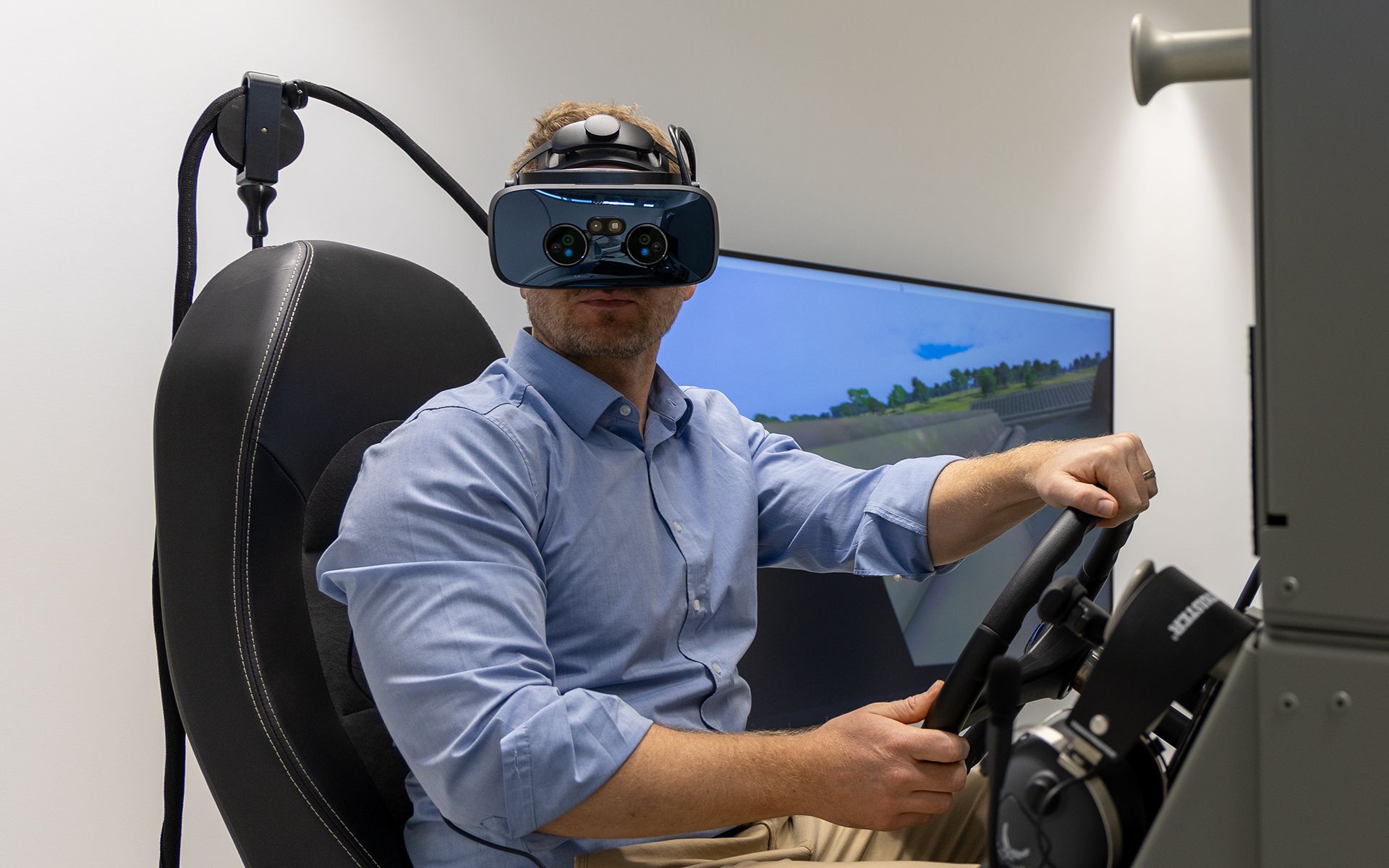
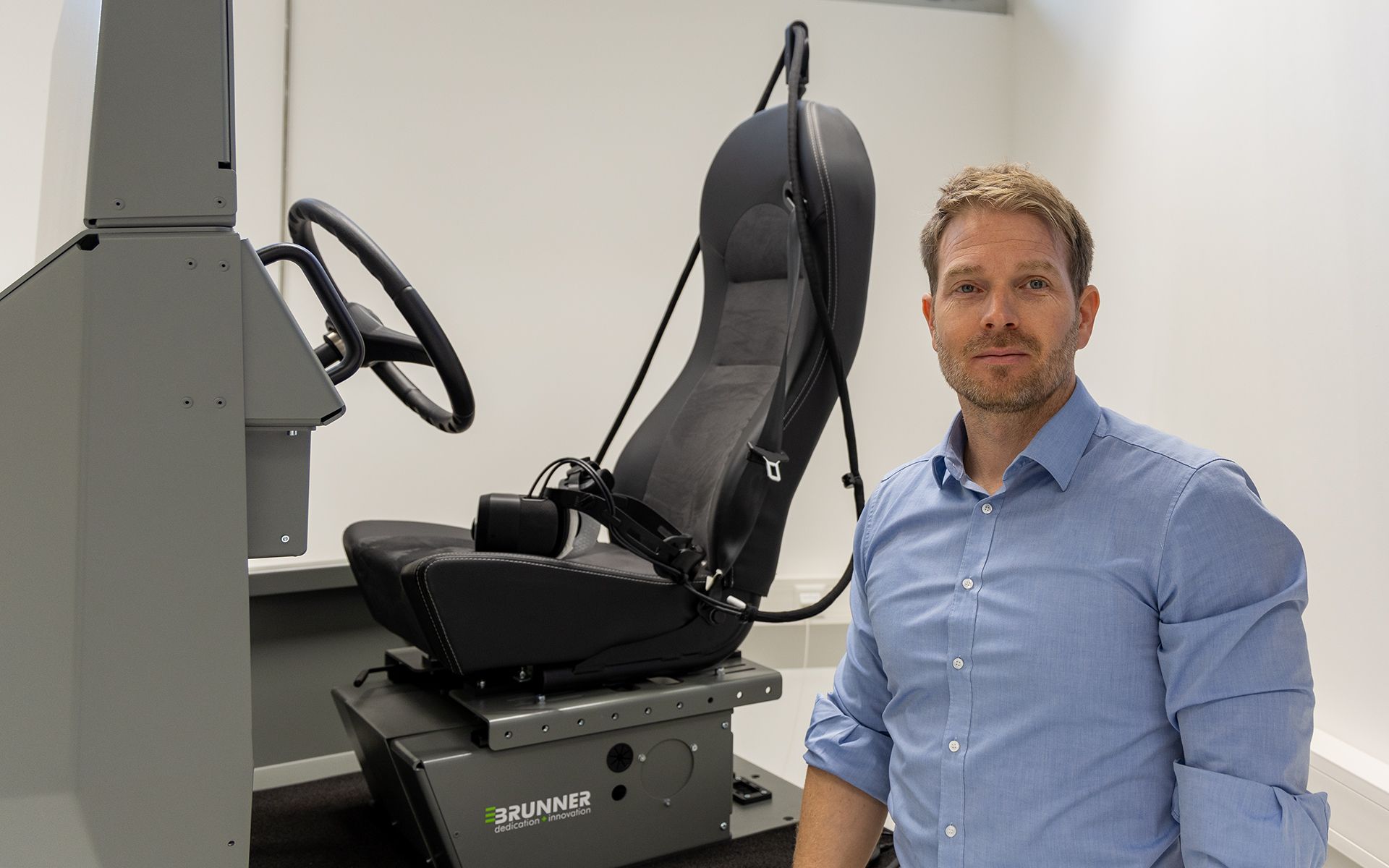
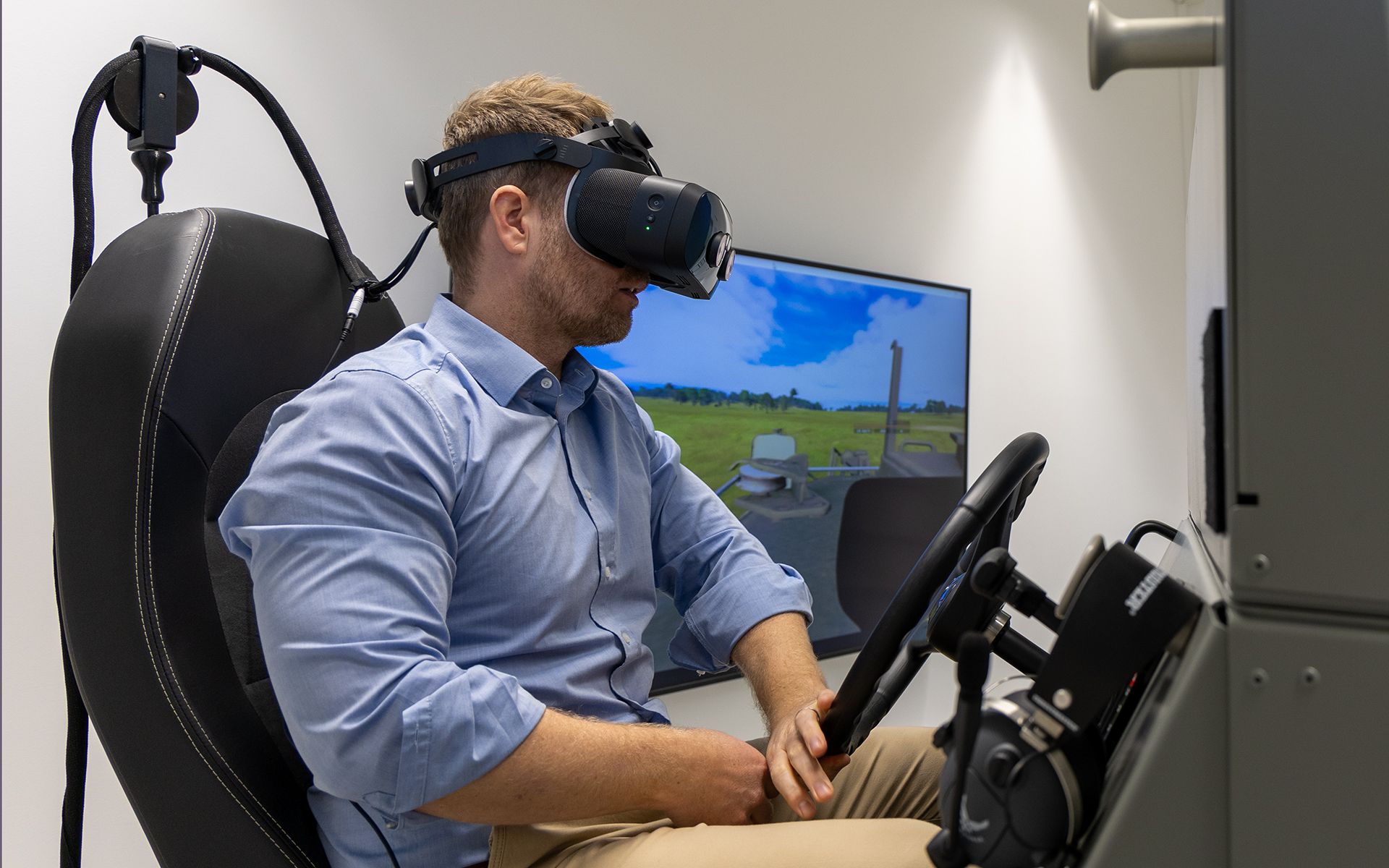
Our main service is to develop demonstrators, to experiment with them and to test them together with the end users. For this purpose, we operate an AI and simulation laboratory in Thun, which enables us, together with our partners from universities, industries as well as foreign armed forces and organisations, to refine the use cases of end users and to check the technical feasibility and benefits at an early stage. End users can often only formulate their challenges vaguely and find it hard to imagine the benefits of an innovative solution. In most cases, experimenting together in the laboratory helps more than generating paper or holding endless workshops.
In addition, we are the central point of contact within the DDPS. That means that we manage and coordinate all technologically relevant activities in the area of AI and simulation for security applications. These activities include, for example, technical advice to the troops when initialising new projects or conveying technical expertise to partners and industry to develop demonstrators for products. We also conduct technology and market monitoring, to identify new developments early on and to incorporate them in good time in projects.
To what extent does the Competence Centre for AI + Simulation differ from other internal federal competence centres? For example, from the Competence Centre for Data Science of the Federal Office for Statistics (FSO) or the Competence Centre for Simulation of the Armed Forces?
The Competence Centre for Data Sciences of the FSO supports and advises other administrative units in implementing AI and data projects for administrative applications in order to optimise internal federal business processes. We, on the other hand, focus on the development and transfer of innovative solutions in the security sector. We thus work in a complementary manner.
The Competence Centre for Simulation of the Armed Forces is responsible for the overarching control of development of the simulation landscape according to the overall needs of the Armed Forces. They are our partners within Defence and specifically drive us with the requirements of the troops in the area of simulation.
How do you imagine cooperation within armasuisse S+T? And in a further step, within armasuisse?
Within armasuisse S+T, the competence centre acts as a central «entrance hole» for all technology-relevant requests in the areas of AI and simulation. We manage and coordinate all activities and specifically drive specialist areas from other clusters depending on requirements. We thus ensure interdisciplinary cooperation in the areas of AI and simulation.
At the level of armasuisse, we act as a technology partner. Depending on requirements, employees can call on us for specific technical advice in the support of procurement projects.
How is the cooperation with customers and partners outside armasuisse?
We are currently in the process of defining a contact person for each federal office within the DDPS. These contact persons can then place requests and orders with us on a specific, coordinated basis. Through regular exchange with the contact persons, we can thus also ensure that information on our activities can flow freely and synergies between the various federal offices can be used on an optimal basis.
What are your expectations and goals for the future cooperation and long-term development of the competence centre?
I expect a straightforward, non-bureaucratic and goal-oriented cooperation to jointly provide innovative solutions in the areas of AI and simulation in the application. The goal is to create a strong team of technical experts which builds trust-based partnerships and develops pragmatic solutions for current and future challenges together with the end users.
Thank you for your time.
To the second part of the interview series:

The structure of the Competence Centre for Artificial Intelligence and Simulation – Part 2
In the second part of the interview on the Competence Centre Artificial Intelligence (AI) and Simulation created by armasuisse Science and Technology (S+T), Adrian Christ, Business Owner Doctrine Armed Forces Cyber Command and Martin von Niederhäusern, Head of Competence Centre Simulation of the Armed Forces discuss the significance of AI in their field of work, the opportunities for nationwide cooperation and the expectations for the created Competence Centre.