Research Program 1 - Reconnaissance and Surveillance
The reconnaissance and surveillance research program operated by the armasuisse competence sector Science and Technology deals with four capability-oriented competence sectors in the fields of ISTAR (Intelligence, Surveillance, Target Acquisition and Reconnaissance) and countermeasures. For this purpose, new possibilities for information gathering, camouflage and deception as well as electronic warfare techniques are demonstrated. This will be carried out using a multilateral cooperation network. The newly acquired technical and scientific expertise will be used by armasuisse S+T for expert reports, testing, demonstrations of technology and innovation projects for the Swiss Armed Forces.
In future, decision-relevant information will be generated more quickly, more precisely and automatically as well as under difficult conditions such as with poor visibility and with radio frequency interferences. There is a wide range of reasons behind this. Compared with the current situation, the development of intelligent algorithms and computing capacity could enable targets to be better detected, tracked and automatically classified. This applies to the further development of radar technology for air surveillance, for example. The latest developments in the field of cognitive, multi-static and multifunctional radar technologies allow for the improved detection of air targets through the use of information from the environment. Intelligent algorithms also play an important role in merging data from different sensors and information into a situation-specific operational picture.
The modern battlefield is increasingly becoming a transparent battleground. Reconnaissance and surveillance are carried out in the form of drones, satellites, land robots, manned reconnaissance platforms, soldiers and remotely networked sensors. New sensor technologies are promising considerable improvements in the utilisation of information content. Future compact hyper-spectral and Synthetic Aperture Radar (SAR) devices should thus be able to detect camouflaged targets and distinguish real targets from fakes. In addition, the degree of automation and the autonomy of remote detectors will be gradually improved.
Progress in semiconductor technology and electronics enable reconnaissance devices to be minimised and new reconnaissance options to be developed. For example, highly-sensitive detectors, known as quantum detectors, exhibit the capability of detecting objects around corners. Fast-switching special camera systems also demonstrate the potential of detecting and tracking flying objects very quickly and at low heights. Detection is possible, even when looking into the sun and with low visual contrast between the target and the background.
Camouflage and deception measures are gaining increasingly in importance, both in tactical deployment on the battlefield as well as for countermeasures in strategic reconnaissance. The need for new technical solutions is increasing, in order to counter new threats, for example, such as reconnaissance by drones and satellites. It will thus be necessary in the future to camouflage material and troops against reconnaissance systems using artificial intelligence (AI). The use of multi-spectral decoys, which exhibit similar signatures in the visual, infra-red and radar spectrum as real targets, is also becoming more important.
For these reasons, the latest technological developments are pushing the performance limits of future reconnaissance and surveillance devices and equipment. However, there are still open questions on the performance limits and real possible applications. The main tasks of the research programme are thus as follows:
collecting and assessing the relevant technologies and their trends with regard to the acquisition of intelligence (IMINT, RADINT, MASINT, ACCOUSTINT, SAR, GEOINT) as well as countermeasures in the form of electronic warfare, camouflage and deception
presenting and demonstrating new technical options
securing the basics as well as specialist knowledge for advice, testing and expertise
Progress in antenna technology, high-frequency technology, semiconductor technology, algorithms, integrated circuits and networking will enable radar systems to become more effective and new applications to be created in the future. Research topics in this competence sector are concerned with cognitive, multi-static, multifunctional and networked radar systems, but also intelligent countermeasures to reduce interferences. These disruptive effects can, on the one hand, be caused intentionally by other players from the air and from the ground. On the other hand, however, they can also be caused inadvertently by objects on the ground such as wind turbines. The interferences as well as suitable countermeasures for combating these must be assessed on a continuous basis. With regard to the multifunctionality of future radar devices, it will be interesting, for example, to see how radar and communication functionality can be implemented using only one device. In addition, the competence sector air surveillance researches the impact of the latest developments in photonics on radar applications.
The detection, tracking and identification of drones and drone swarms also play an important role in difficult environments, such as in situations in which it is almost impossible to distinguish between the drones and the background or with mobile reconnaissance. The foundations for this are established using special research sensors and experiments as well as signature measurements.
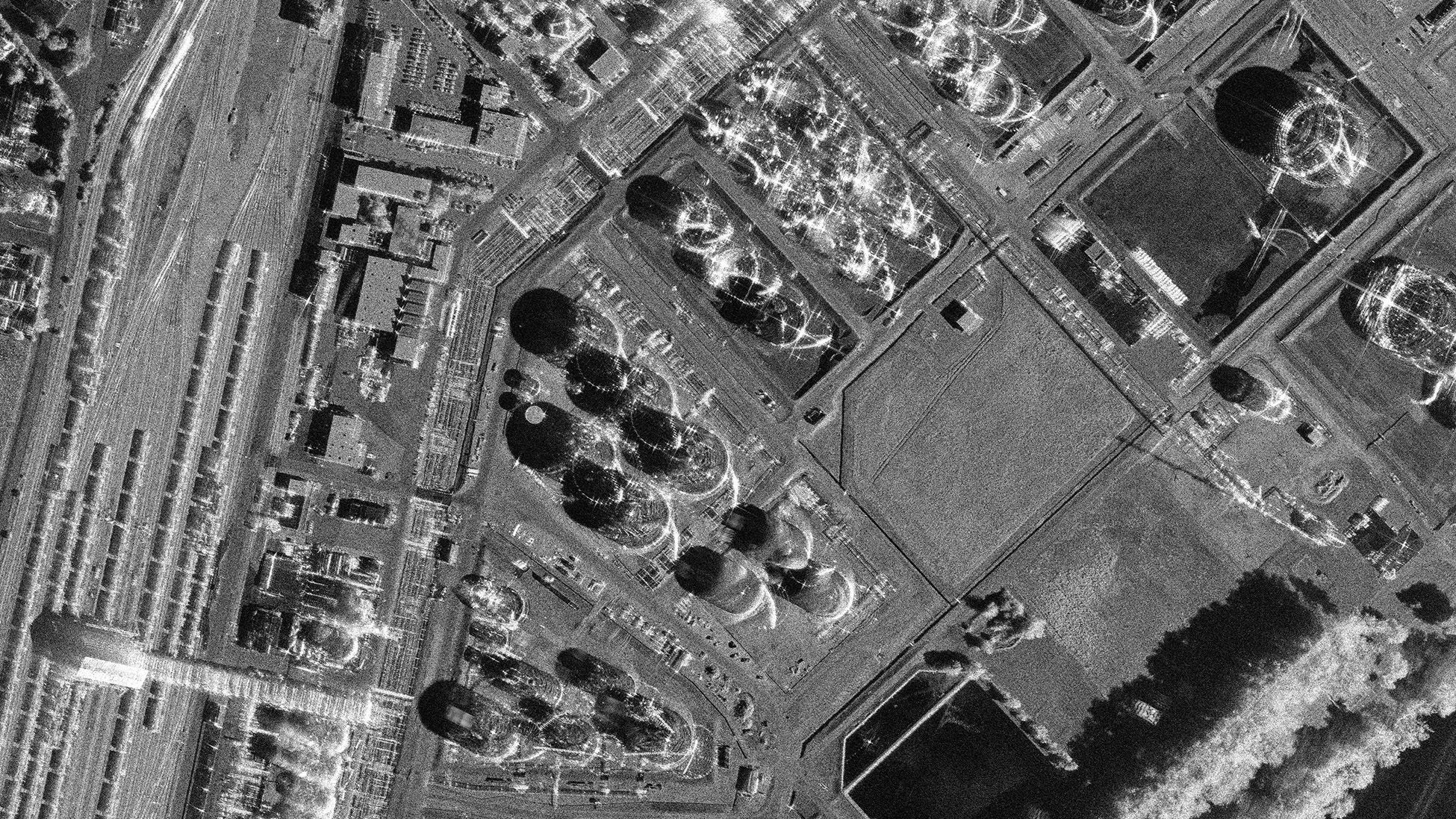
Imaging with visual and electro-optical cameras reach their limits in reconnaissance over long distances. The reasons for this restriction lie in the characteristics of the atmosphere, for example, through the mitigating effect of the water vapour and aerosols present. The imaging radar sensors Synthetic Aperture Radar (SAR), on the other hand, can also supply high-resolution reconnaissance images of the earth over long distances even with clouds, dense vapour and smoke – at any time of the day or night. Current technological developments show the implementation of compact SAR devices on drones and satellites. However, this type of miniaturisation is always accompanied by compromises and performance limits in reconnaissance and surveillance. This must be assessed on an ongoing basis. On the other hand, research shows that the use of several receiving antennas enable new applications. For example, moving vehicles can be easily detected. 3D information can also be derived from SAR measurements. The performance limits of such options need to be assessed here. Furthermore, methods of electronic warfare will be examined against the SAR reconnaissance as well as possibilities for support in the evaluation of SAR images. Research sensors on drones and aircraft, satellite data and simulations based on physical models can be used for analysis purposes.
The detection of camouflaged targets is also of major significance. The interest here is on hyperspectral sensors, which are being increasingly used in a compact form on drones and satellites. These systems measure the material characteristics with a high spectral resolution – spectra also invisible to the human eye. It is thus possible to distinguish a green-coloured camouflage net from a predominantly green background vegetation. Open questions arise regarding reconnaissance performance, if, for example, the weather conditions are not optimal or shadow areas are present. Another topic that is addressed in this context is the massive reduction in data in order to obtain reconnaissance results more or less in real time.
Large areas are usually monitored using systems from the air and on the ground. Distributed surveillance systems on the ground with a high degree of automation and autonomy are gaining increasingly in importance. In this context, the energy-efficient AI implementation plays an important role in distributed surveillance units. Specifically, we speak about local intelligence and what is known as edge and tiny edge technologies. This involves optimised integrated circuits as well as the integration of modern AI algorithms which require little computing power. These modern sensor systems are implemented as technology demonstrators and their performance limits will be derived.
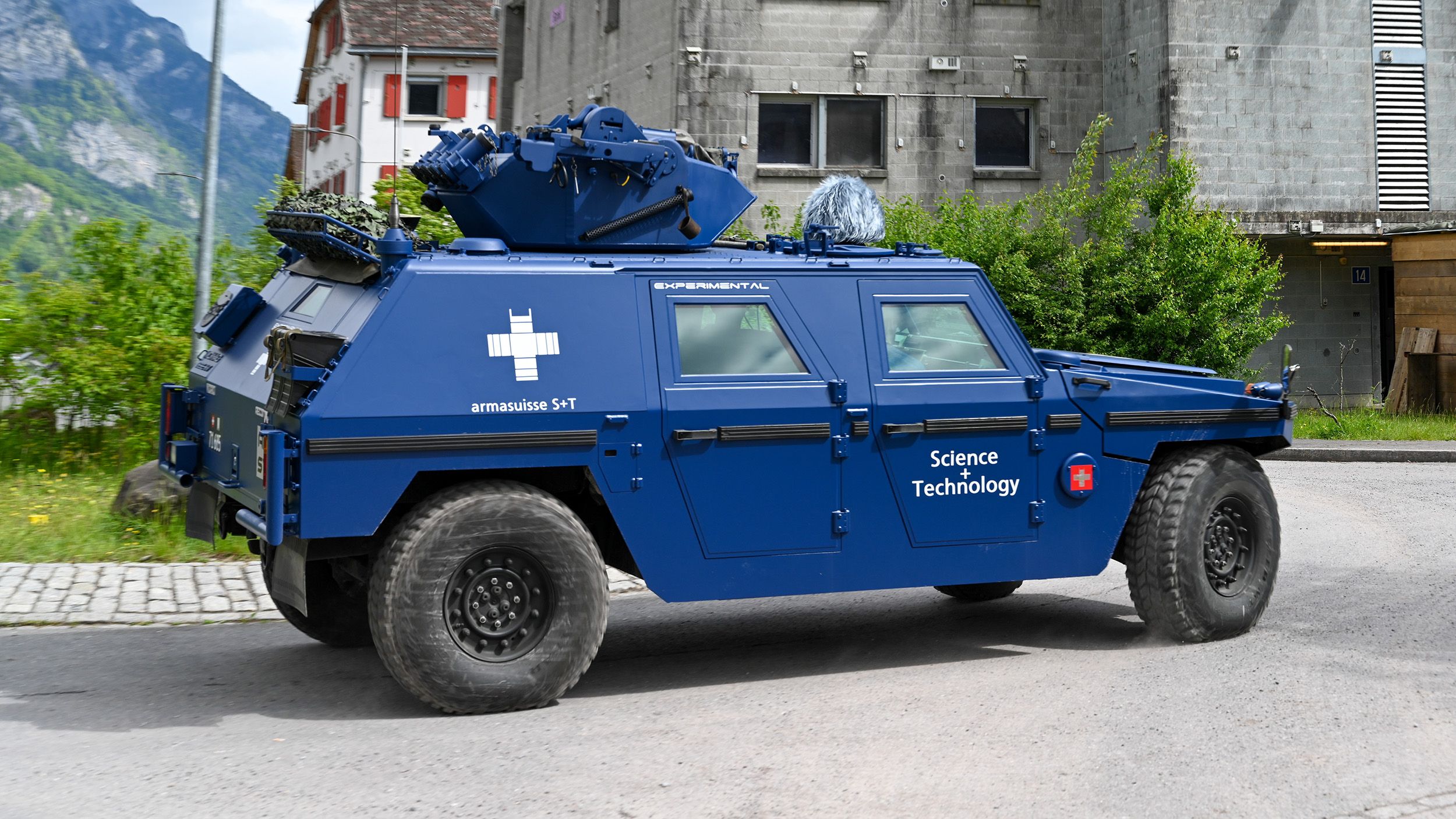
Modern battlefield acoustics will also be addressed in this competence sector. Intelligent microphone systems are gaining increasing significance for self-, platform and infrastructure protection as well as for reconnaissance and surveillance tasks. New approaches to detection and localisation of blasting events such as shooting procedures can thus be assessed. For example, using technology demonstrators on vehicles or distributed sensor units in terrain. A further topic concerns reconnaissance and surveillance in built-up and urban areas, which presents particular challenges due to the restricted visibility. The deployment of radar devices and microphones is also challenging in such environments, as reflections make target detection difficult. It is therefore important to examine the networking of units with shorter detection distances. This means also examining new options with highly-sensitive detectors from research, possibly with what are known as quantum detectors and neuromorphic cameras.
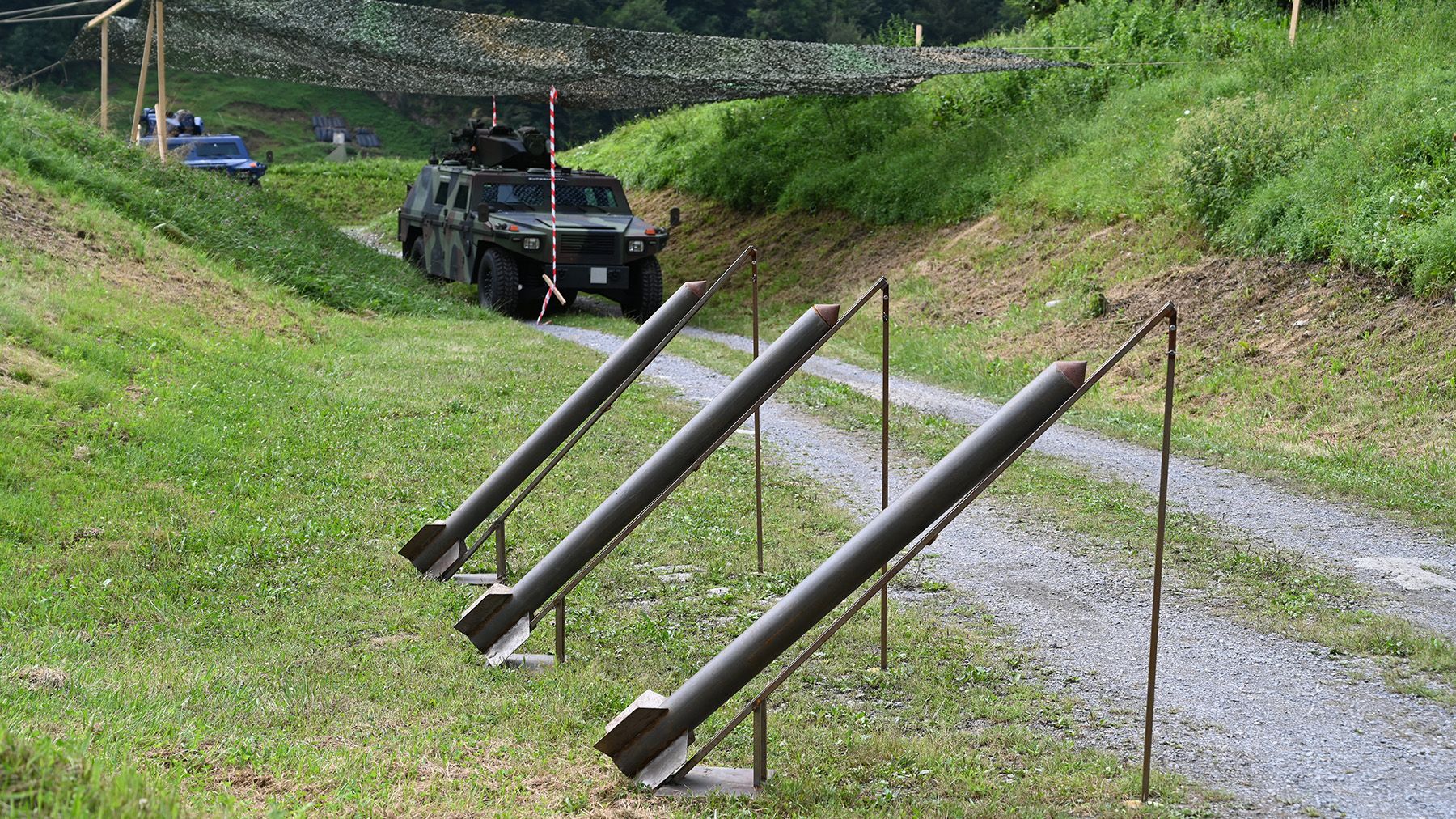
In this competence sector, technological solutions for camouflage and deception are assessed against new threats such as automated AI reconnaissance. Camouflage against AI reconnaissance uses special camouflage patterns and methods from the research field «adversarial camouflage».
The competence sector camouflage and deception focuses particularly on the development of multi-spectral decoys. These decoys aim to precisely imitate as far as possible the signatures of real targets in the visual, infra-red-based and radar spectrum. Research is being carried out on how the signatures can be optimised by additional materials on decoys. Laboratory and field measurements as well as analyses using physical models are being carried out for this purpose.
A key prerequisite for assessing multi-spectral camouflage measures is an in-depth knowledge of the signatures of targets, materials and backgrounds. It is therefore essential to develop a methodology for signature measurement and signature simulation and to continuously adjust them to the latest technological developments. Signature measurements are conducted under controlled conditions in a laboratory or via measurements in a natural environment. The spectral behaviour of the background is recorded over a longer period of time using new measuring methods.
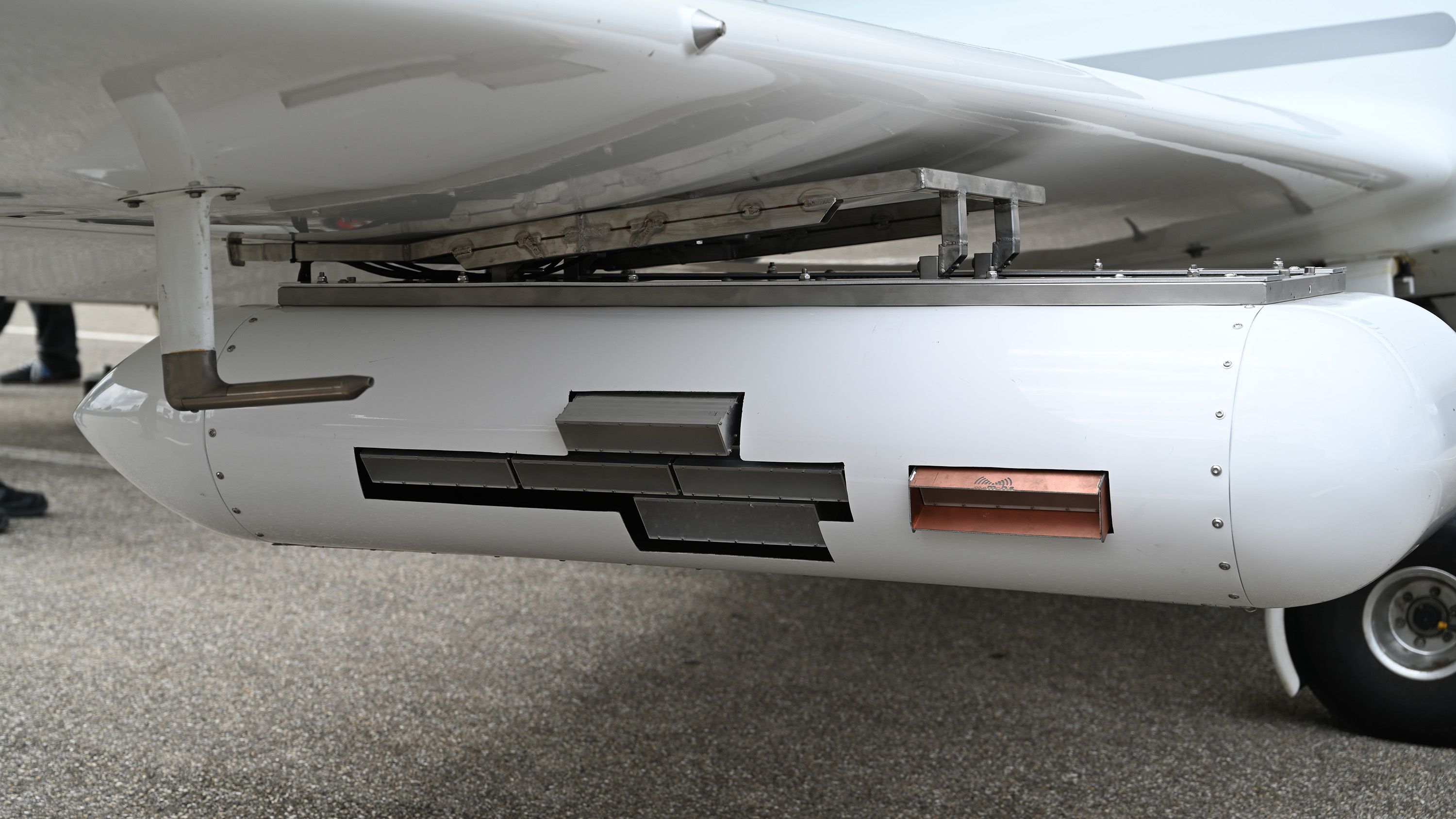
The technology demonstrator MIRANDA-35 provides airborne images of the ground even under difficult weather conditions, such as clouds or rain. Whereas other sensors are already reaching their limits and no longer produce any useful information, the generated quick-look images, i.e. low-resolution images generated on the aircraft immediately after measurement recording, can be transferred by radio to a ground station. The measurement data stored on the aircraft is converted into images with a high pixel resolution of 10 cm after a tactical operation. The technology demonstrator comprises five receiving channels, with which moving targets on the ground and in the air, polarimetric properties of ground targets, the smallest changes as well as the height information of the terrain and large objects can be determined.
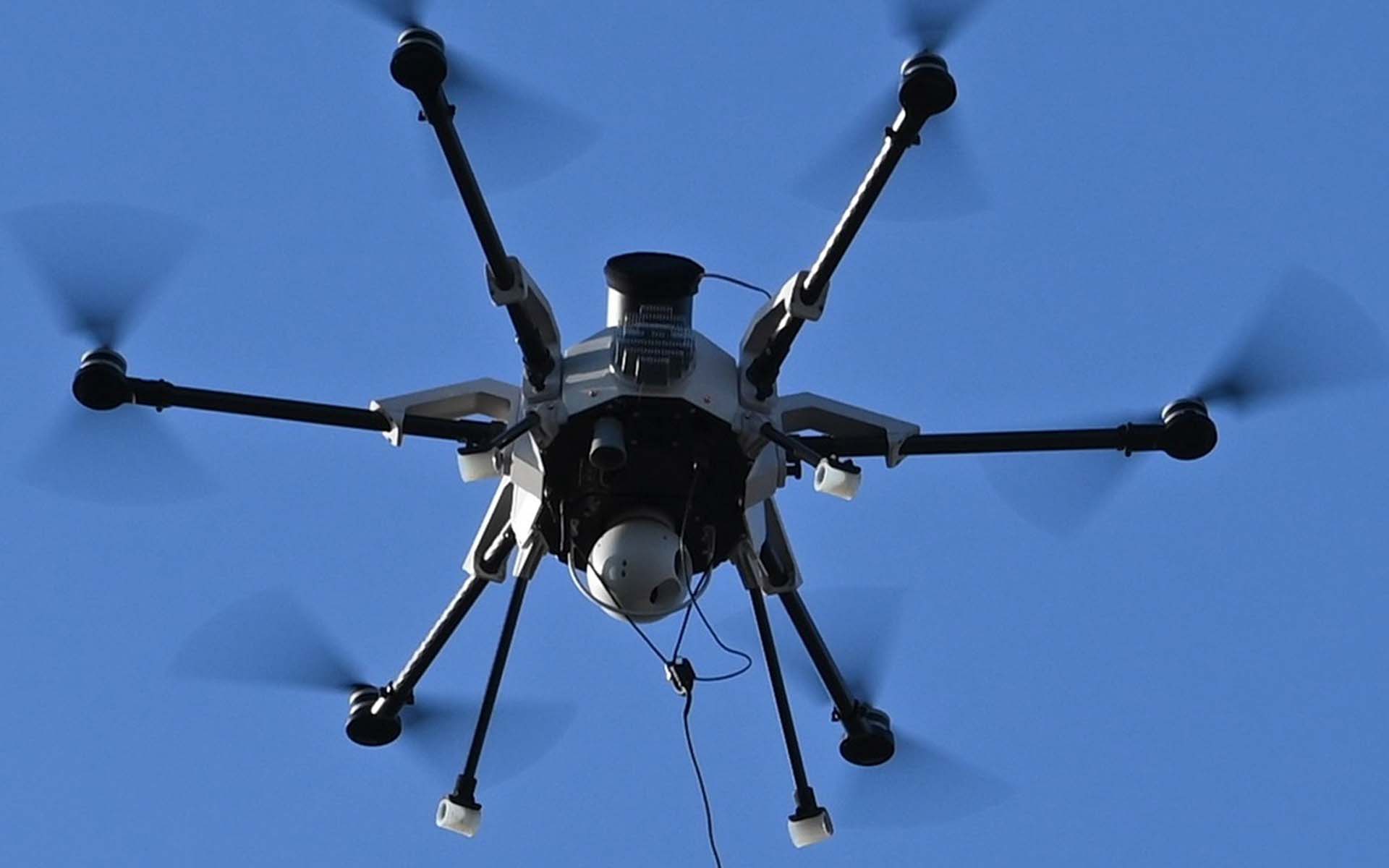
The technology demonstrator comprises a hexacopter, power and data cable for the drone as well as a ground station. The cable has a length of 100 metres, although operations typically take place 80 metres above ground. The weight of the cable comprises 1.6 kilograms for 100 metres length – in other words, 16 grams per metre of cable length. The data can be transmitted at a data rate of 40 megabits per second. The drone automatically controls the rotors, so that it can fly steadily on the spot. In addition, an emergency parachute is integrated for safety reasons. Currently, a gimbal system with visual and thermal imaging cameras is integrated on the drone as payload. The use of an overall system for reconnaissance and surveillance purposes could, for example, be demonstrated to the troops for drone detection or surveillance tasks. Automatic detection and tracking of air and ground targets will be considered in a future step.
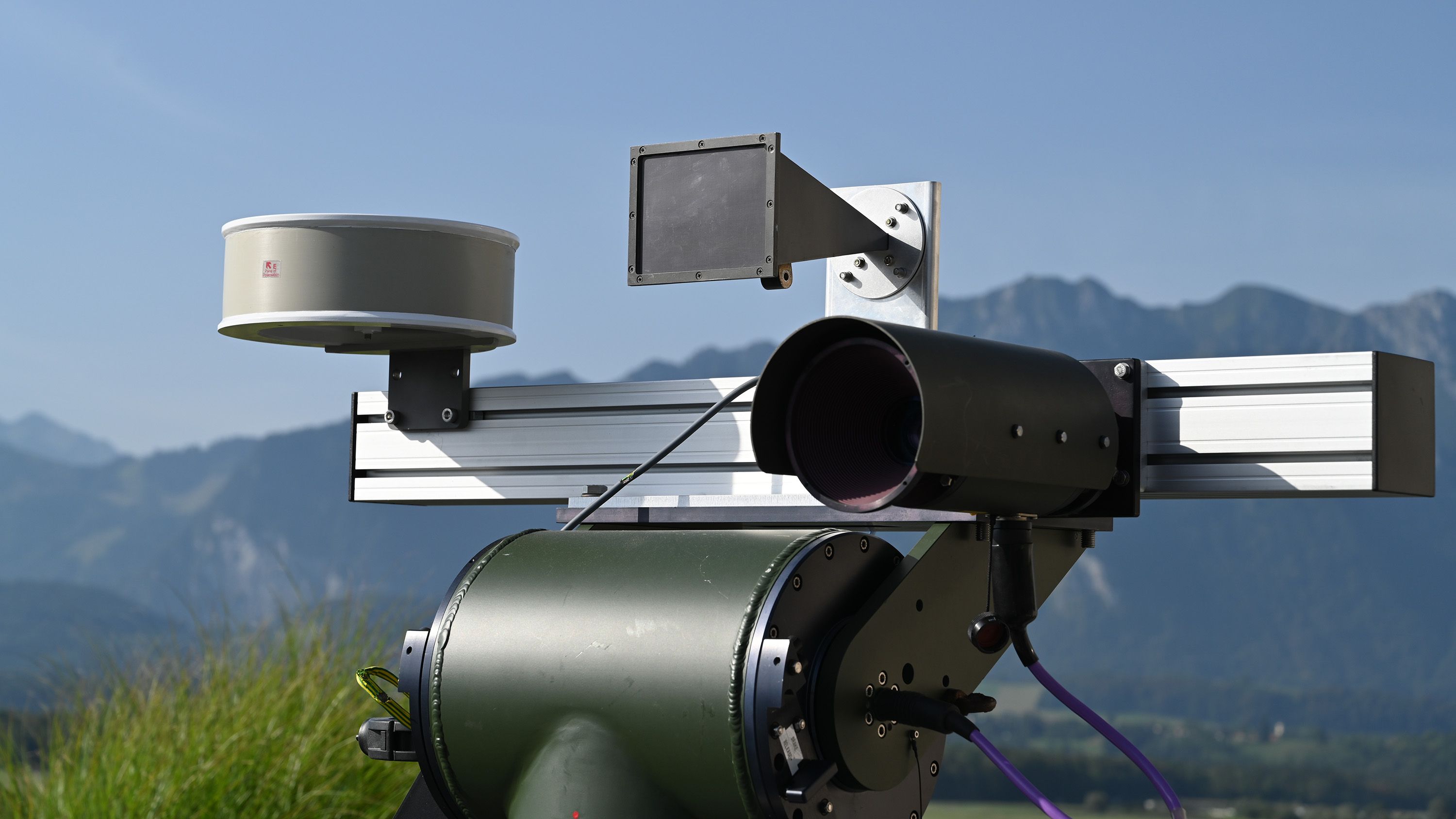
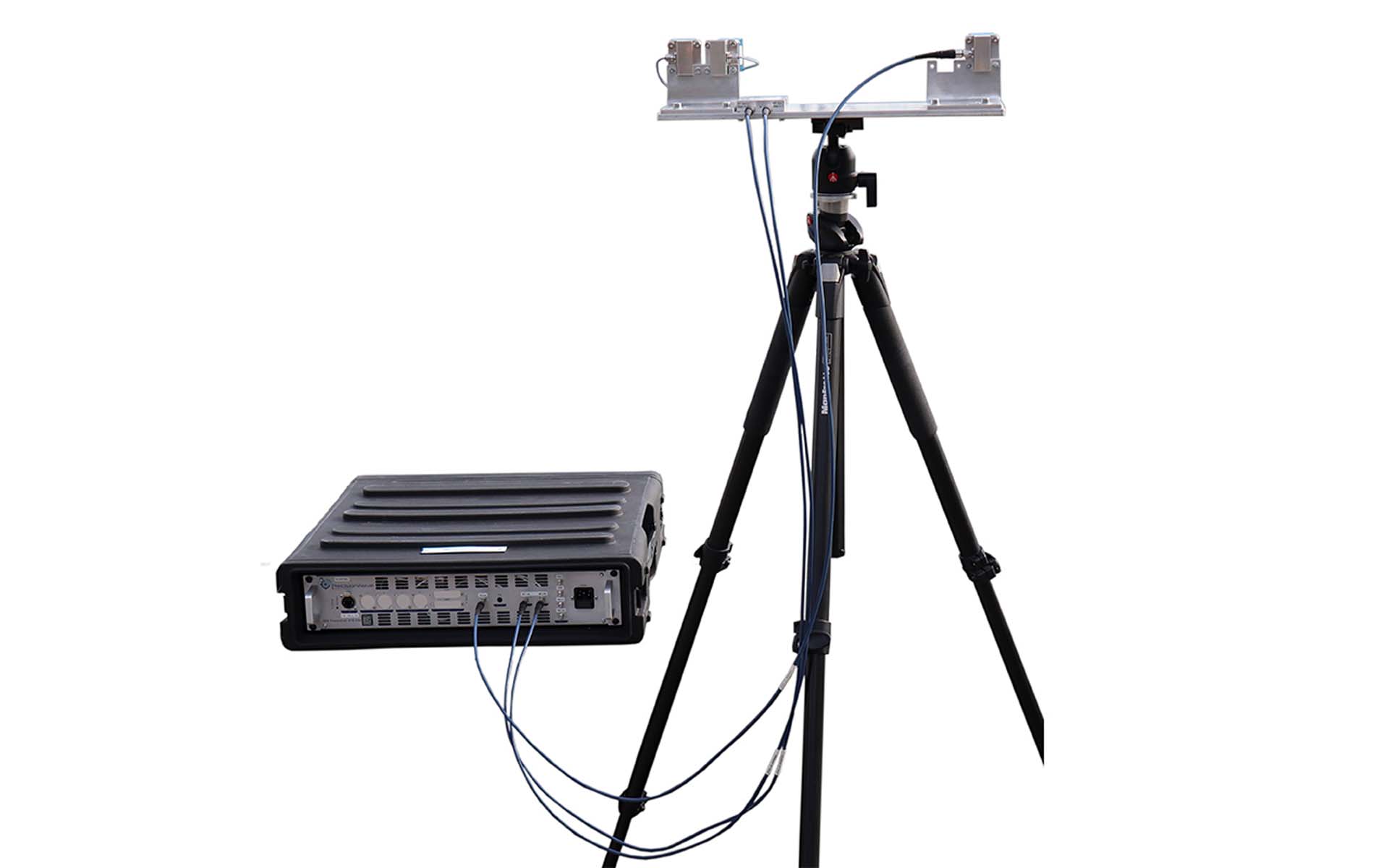
Four programmable software-defined radio radar devices are controlled by a central unit. The time synchronisation is based on the GPS signals. The following research topics are examined using the demonstrator:
- Non-linear radar waveforms - Radar networks, in other words, fusion of radar detection from several radar devices - Cognitive radar algorithms - Noise radar technology, i.e. methods for camouflaging radar devices - RADCOM topics, i.e. basic principles on the co-existence of radar and communication - Multi-static radar approach - Drone detection in urban terrain
A single radar node has the following characteristics:
- Antennas: One transmitting and two receiving antennas - Operating modes: Frequency-modulated continuous wave procedure and freely programmable waveforms - Radar frequency: 8.2 – 10.6 GHz - Bandwidth: 160 MHz for the continuous wave procedure and 80 MHz for freely programmable waveforms - Output rating: 2 W, or 20 W
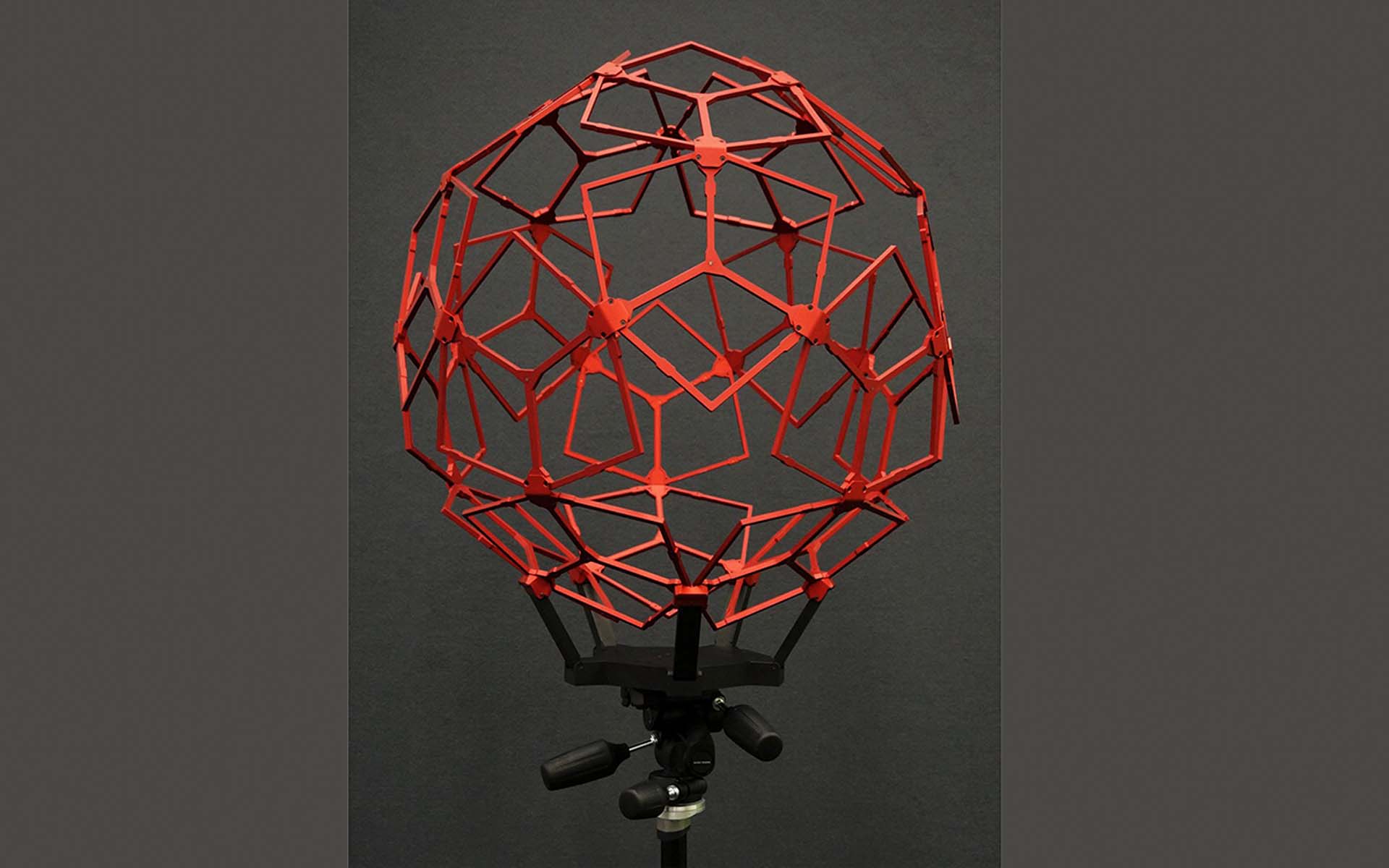
The acoustic camera with 120 microphones enables the detection and localisation of several noise sources in real time, such as the detection and localisation or tracking of drone noise. The azimuth and elevation directions of the noise sources measured with the acoustic camera can be used for aligning additional sensors. Altogether, the acoustic camera can monitor the immediate surroundings acoustically on six freely selectable target frequencies with individual frequency bands at the same time.
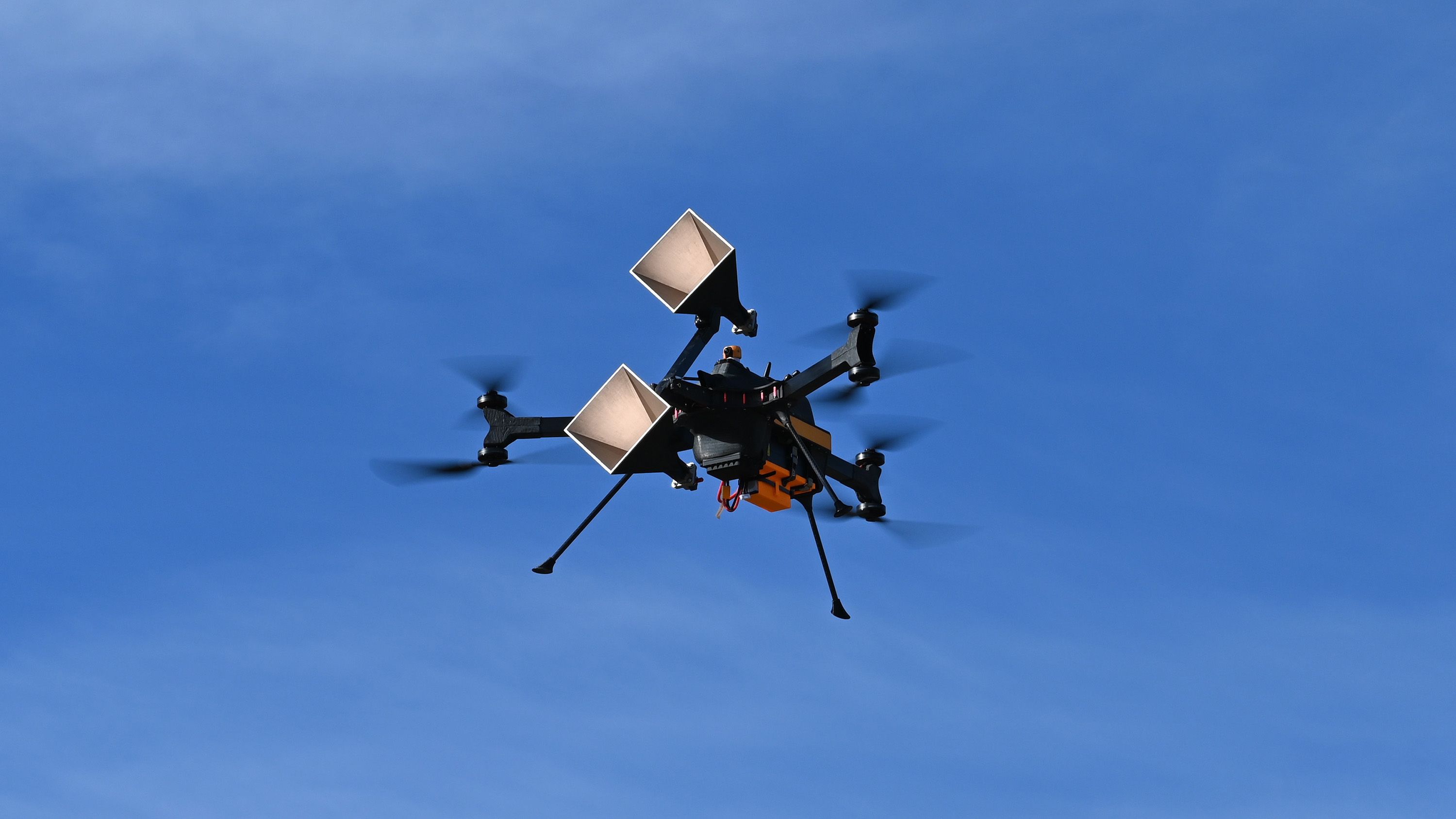
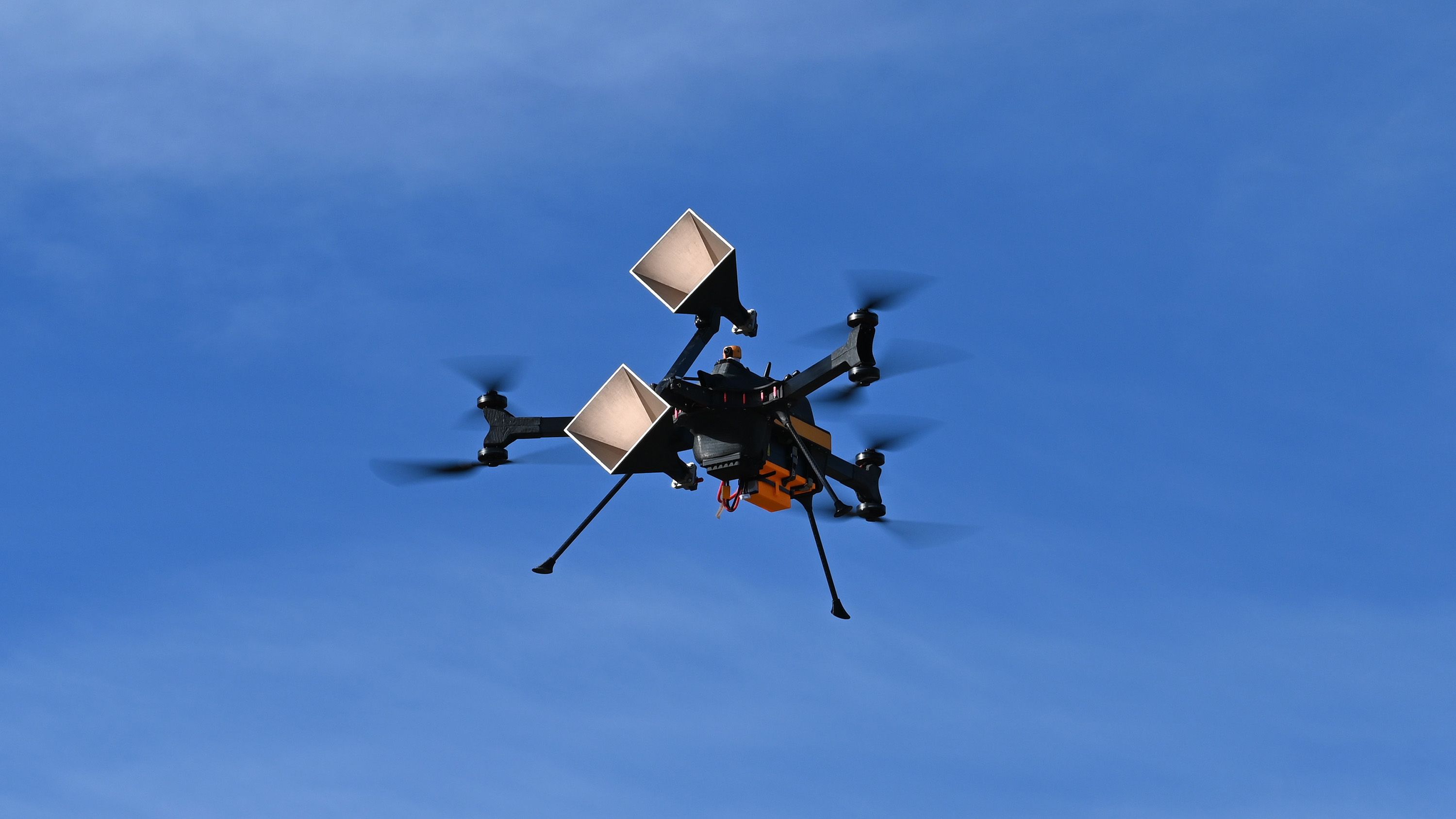
Using this technology demonstrator, known as an active calibrator, the radar backscatter cross section of a drone can be strengthened. A ground radar which recognises the drone interprets the detection as if a much larger flying object had been detected. The ground radar can also be tested by varying the radar backscatter cross section.
Network
The development of expertise is based on a wide network of partners from the professional world, academia, universities and other research institutes in Switzerland and abroad. In order to keep track of skills and capabilities, close contact and an exchange of information is maintained with users and the planning, procurement and test centres of the DDPS.