

Review – media presentation idea competition
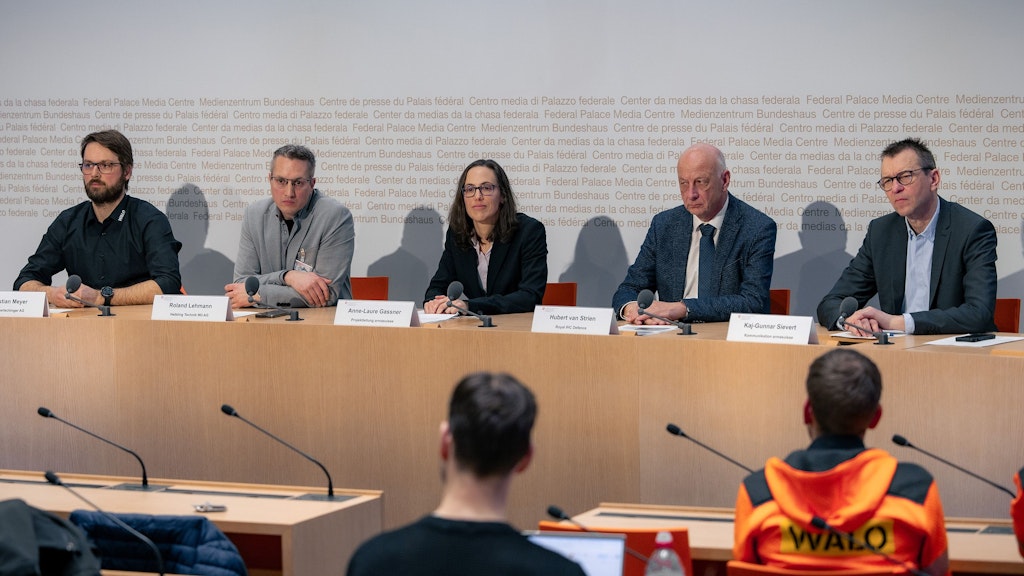
On Friday 23 January 2026, interested media representatives gathered in the Federal Palace Media Centre in Bern to obtain detailed information on the results of the idea competition “Recovering ammunition from Swiss lakes” launched in August 2024. In addition to the three winners, who showcased their award-winning concepts at the media presentation, the project management of armasuisse Science and Technology (S+T) explained the background of the idea competition.
Moana Häfeli, Staff, armasuisse Science and Technology
In brief
The idea competition “Environmentally friendly and safe recovery of ammunition from Swiss lakes” was initiated in August 2024 as a public tender by armasuisse Science and Technology (S+T). The goal was to supply new solutions for technical, security-related and environmental challenges in ammunition recovery. 214 proposals were submitted by 6 February 2025, from which the three best proposals were awarded prizes in December 2025. These provided interesting approaches for further studies and research projects, which will now be investigated in more depth.
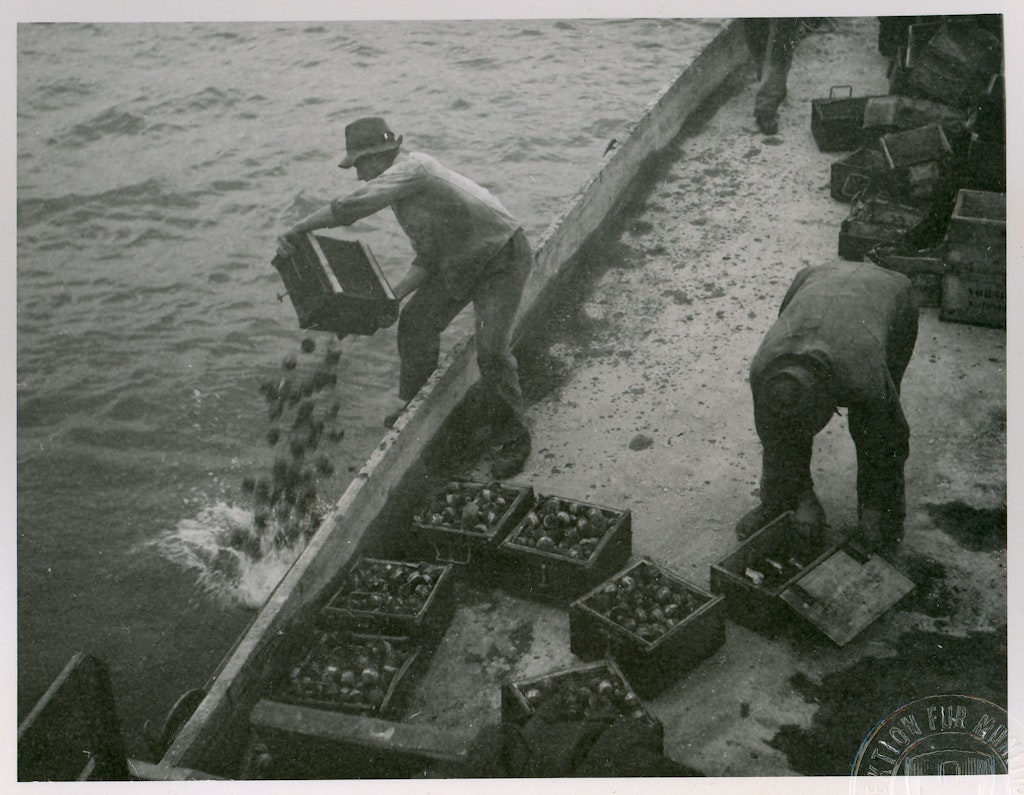
The project management of armasuisse S+T set the framework for the media presentation. A historical classification at the beginning made it clear – military ammunition was submerged in various Swiss lakes between the years 1918 and 1964. Lake Thun, Lake Brienz and Lake Lucerne are those waters mainly affected, with around 8,200 tonnes of submerged military ammunition at a water depth of 150 to 215 metres.
Regular lake sediment and lake water monitoring, sampling, measurements and investigations have been taking place since 2012, to assess whether the submerged ammunition can have a harmful impact on lake water or whether there is a concrete danger that such effects could occur. Currently, the regular monitoring of the lake water and the sediments do not exhibit any negative effects caused by the submerged ammunition. The frequency of the lake water analyses was set at every five years and that of the sediments at every ten years.
Challenging recovery
Even so, the Swiss Federal Department of Defence, Civil Protection and Sport (DDPS) wants to be prepared for a case of emergency. Particularly taking into consideration the complexity of an environmentally friendly and safe recovery of the submerged ammunition. Not only the depth of the lake water at between 150 and 215 metres presents a major challenge, but also the poor view, the risks of explosion, the current as well as the vastly different dimensions and the condition of the submerged ammunition. Through the idea competition, it is aimed to involve as many experts as possible from industry and universities in finding the solution. The resulting winners showcased their ideas to the media at the media presentation in Bern.
IHC Defence / REASeuro
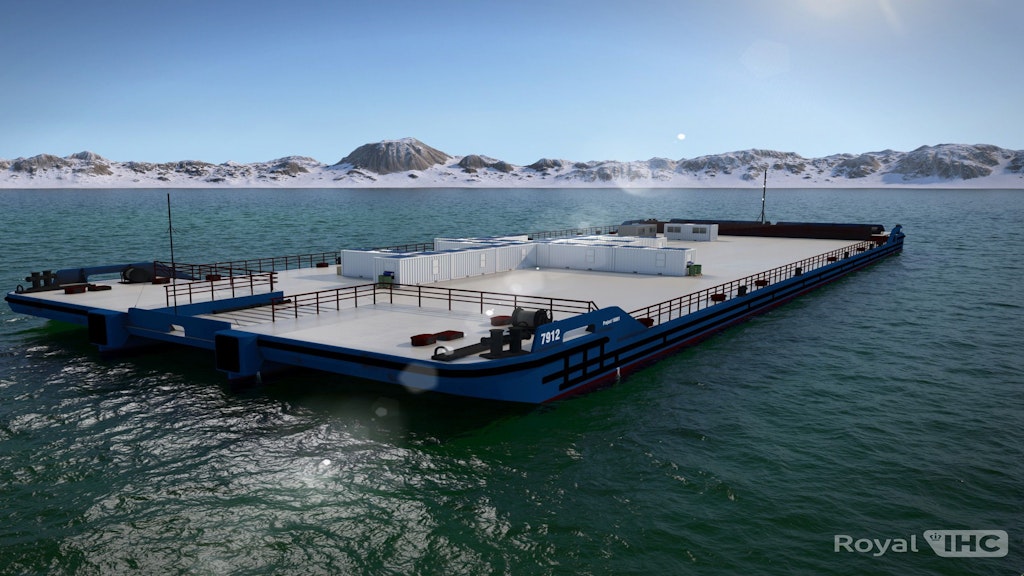
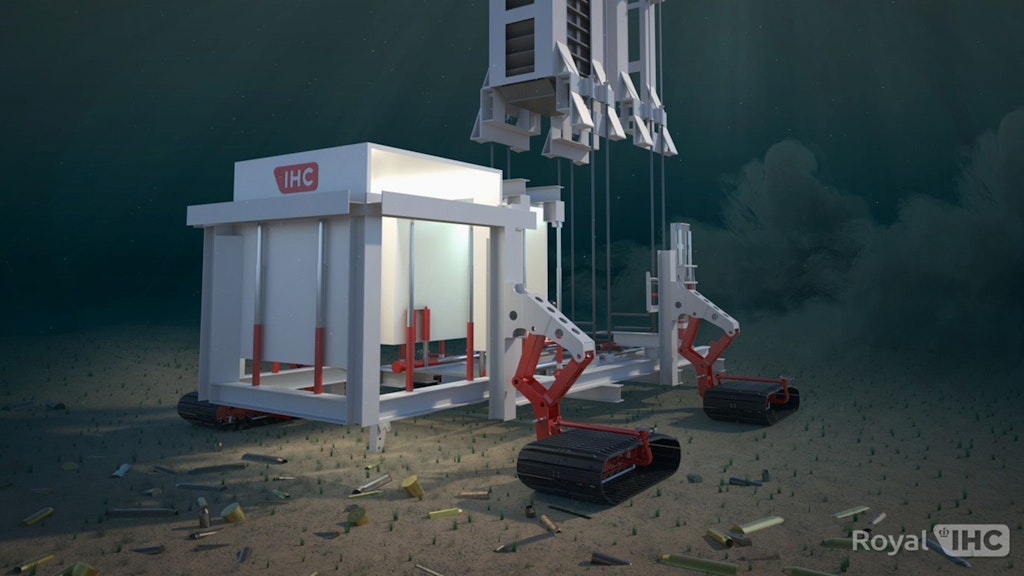
The Dutch companies IHC Defence and REASeuro were awarded first place in the idea competition for the idea they submitted. The concept presented is based on an inflated diving bell, which completely separates the lake water from the ammunition during the recovery. The previously discovered ammunition is retrieved from the sediment using a magnet. The ammunition comes to the surface in containers. Here, the ammunition is neutralised. “All the steps in our solution are completely automated […] unmanned, […] modular […] and circular”, emphasises Hubert van Strien from the winning company IHC Defence.
Helbling Technik Wil AG “Blauwal”
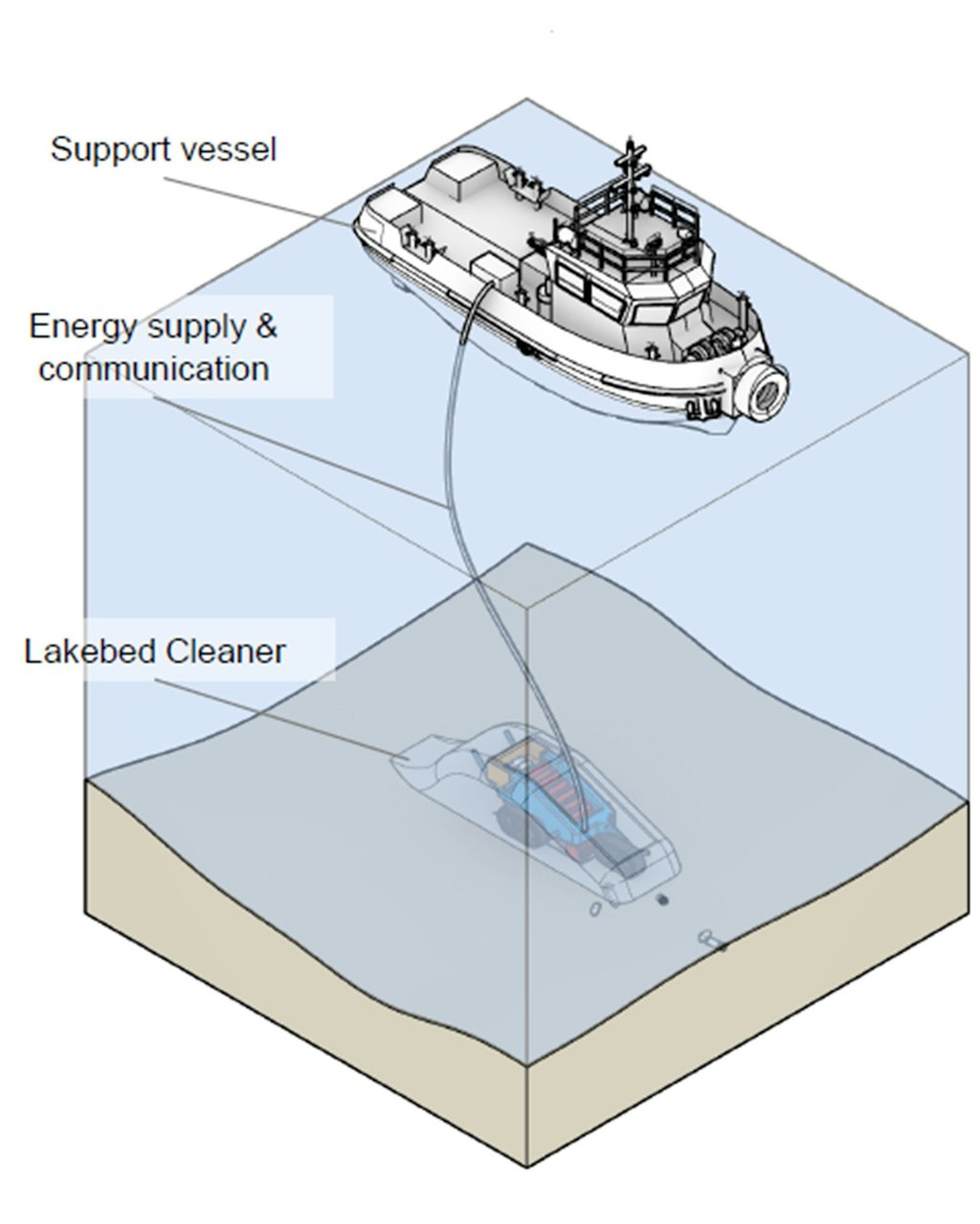
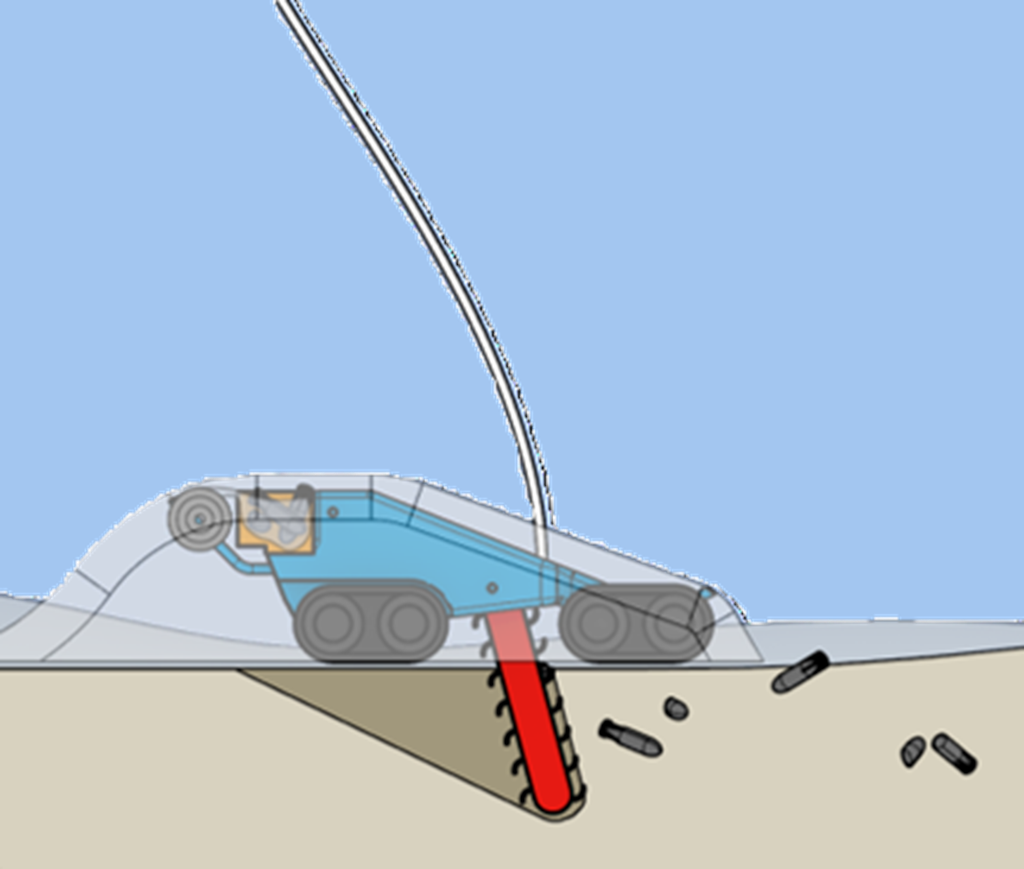
Second place was awarded to the concept from Helbling Technik Wil AG. “Our idea is inspired by a beach cleaning machine”, explains Roland Lehmann from Helbling Technik Wil AG at the media presentation. The modified beach cleaning machine moves along the bottom of the lake and contains a conveyor belt, which digs itself very slowly into the lake bed. The machine is also equipped with a covering hood, which holds back the stirred-up sediment. The entire system functions in combination with an accompanying boat, which is used to supply energy as well as to process the ammunition.
WALO Bertschinger AG “cochlea”
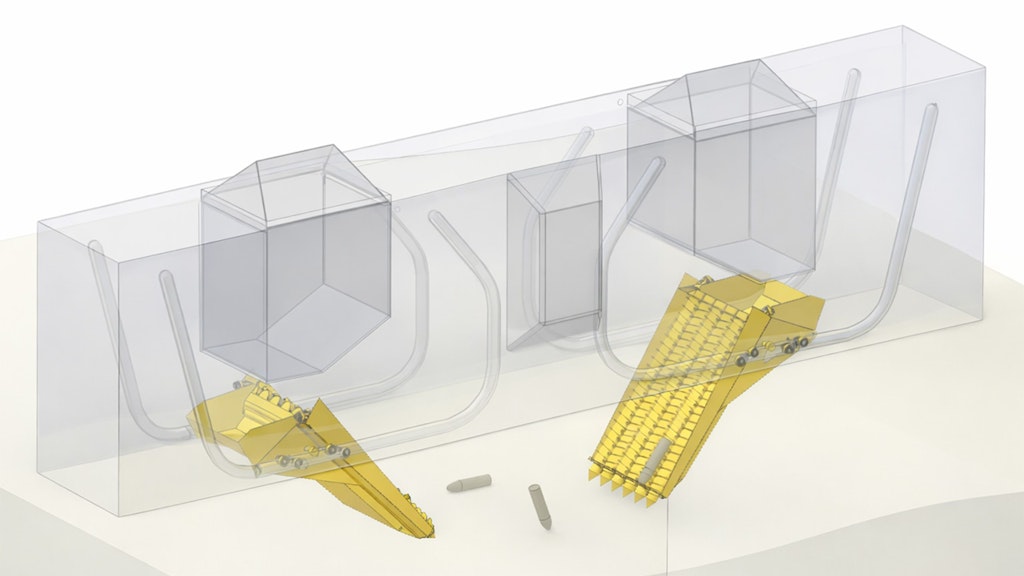
At the media presentation, third-placed WALO Bertschinger AG introduced its proposal of a cube which is lowered from a floating modular working platform to the sea bed. The cube contains two conveyor modules called “screw conveyors” which drill through to the lake bed, comb through it and extract ammunition. The cube aims to minimise environmental impact by the screw conveyor.
Conclusion and outlook
As long as regular monitoring does not indicate any impact on the environment, recovery is not planned. “We cannot establish any harmful substances from the submerged ammunition in the lake water”, stresses Dr Anne-Laure Gassner, project manager from armasuisse S+T. However, the competition has provided interesting approaches which will now be examined in more depth. Two groups of experts will focus on open questions in the subject areas of ecology and safety in 2026. It should be noted that a development phase lasting several years is necessary before a mature environmentally friendly and safe recovery method is available. “The recovery methods we have received have not yet been tested. We could not start recovery tomorrow on an environmentally friendly basis”, explains the project manager.