

«Humanity will have to reconsider its role in the system»
Dr. Hansruedi Bircher has worked for more than 30 years at armasuisse Science and Technology (S+T). Most recently, he led the Research Management and Operations Research department and was deputy head of armasuisse S+T. Throughout his career, he has experienced research and its development firsthand, analyzing it and making it useful for armasuisse S+T. In a video interview, Dr. Hansruedi Bircher reviews his time at armasuisse S+T and comments on current research developments.
Lucas Ballerstedt, Specialist Area Innovation and Processes, armasuisse Science and Technology
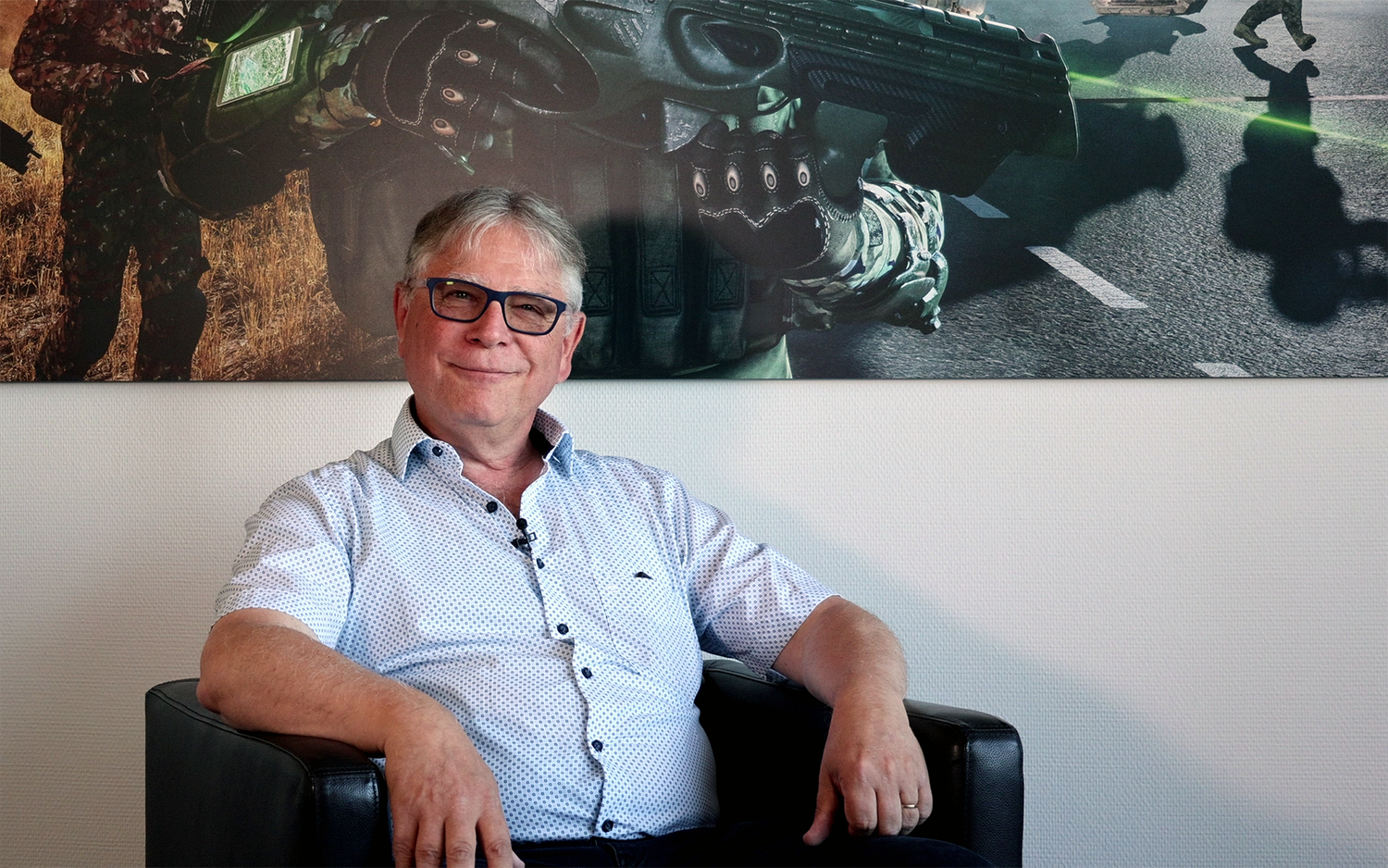
My dear Hansruedi, please introduce yourself in one sentence.
I’m a critical optimist. At first glance, that seems to be a contradiction. But somehow it fits. I believe in the good in people, but judge scientific knowledge with the necessary critical distance. It has to be logical and relatable. That has to do with my scientific education.
How and when did your history with the Confederation and at armasuisse Science and Technology begin?
That was quite a while ago, on 1 November 1992. The administration wasn’t called armasuisse Science and Technology at the time. Back then I joined a specialist department of the Federal Office for Weapons and Ammunition.
How did you get from this position to your last position as Head of the specialist area Research Management and Operations Research?
That was a strange time, but simultaneously quite exciting. After a reorganisation within armasuisse, the management level of my business unit was abolished and I was suddenly without a job. I was confronted with the question of «And what happens to me now?» I then applied for the job as Head of «Research Management and Operations Research», and was successful. And that’s how I got my job, which I happily performed until I retired.
Find out more about Dr. Hansruedi Bircher, his attitude regarding research developments and his plans for retirement in the video below: