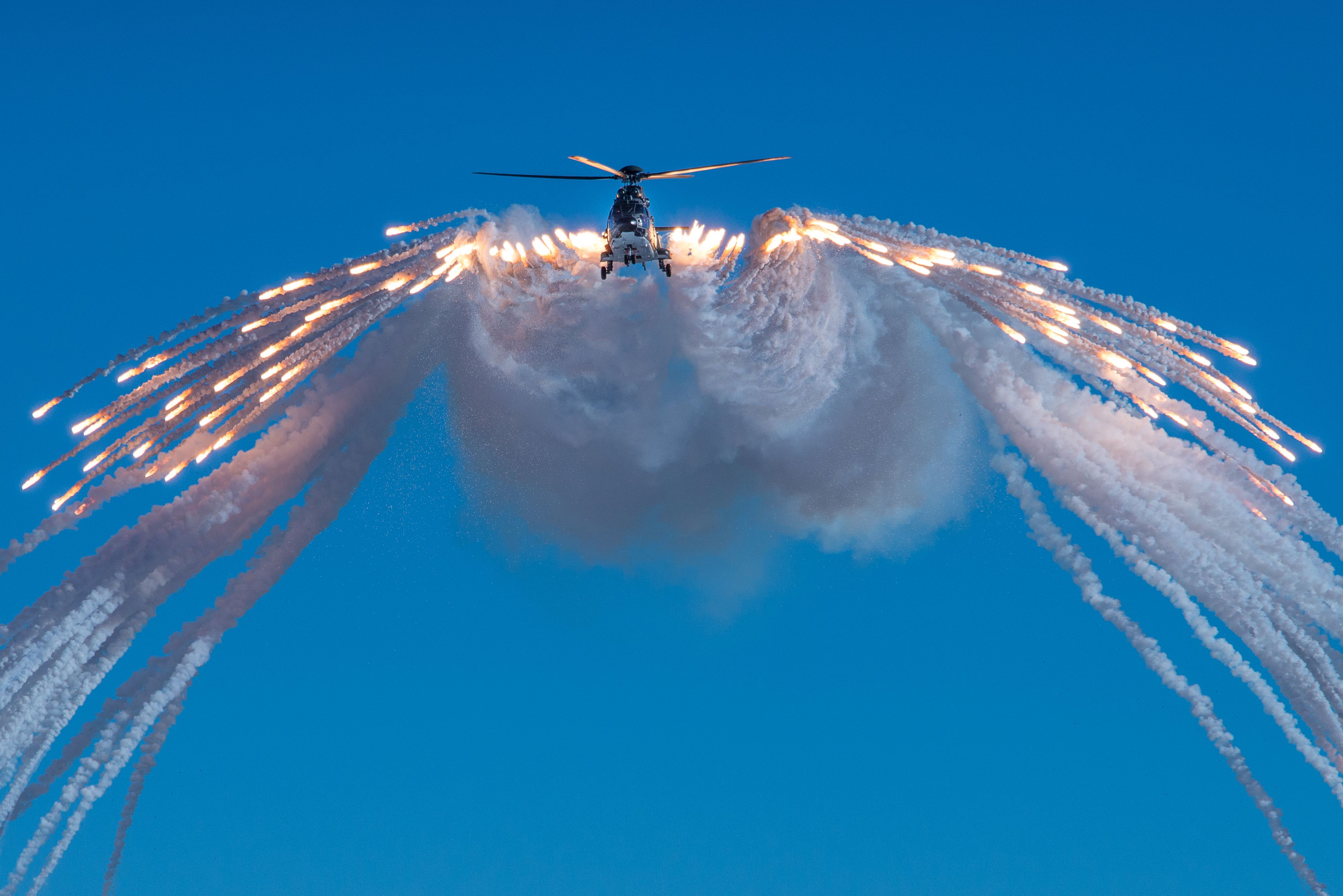
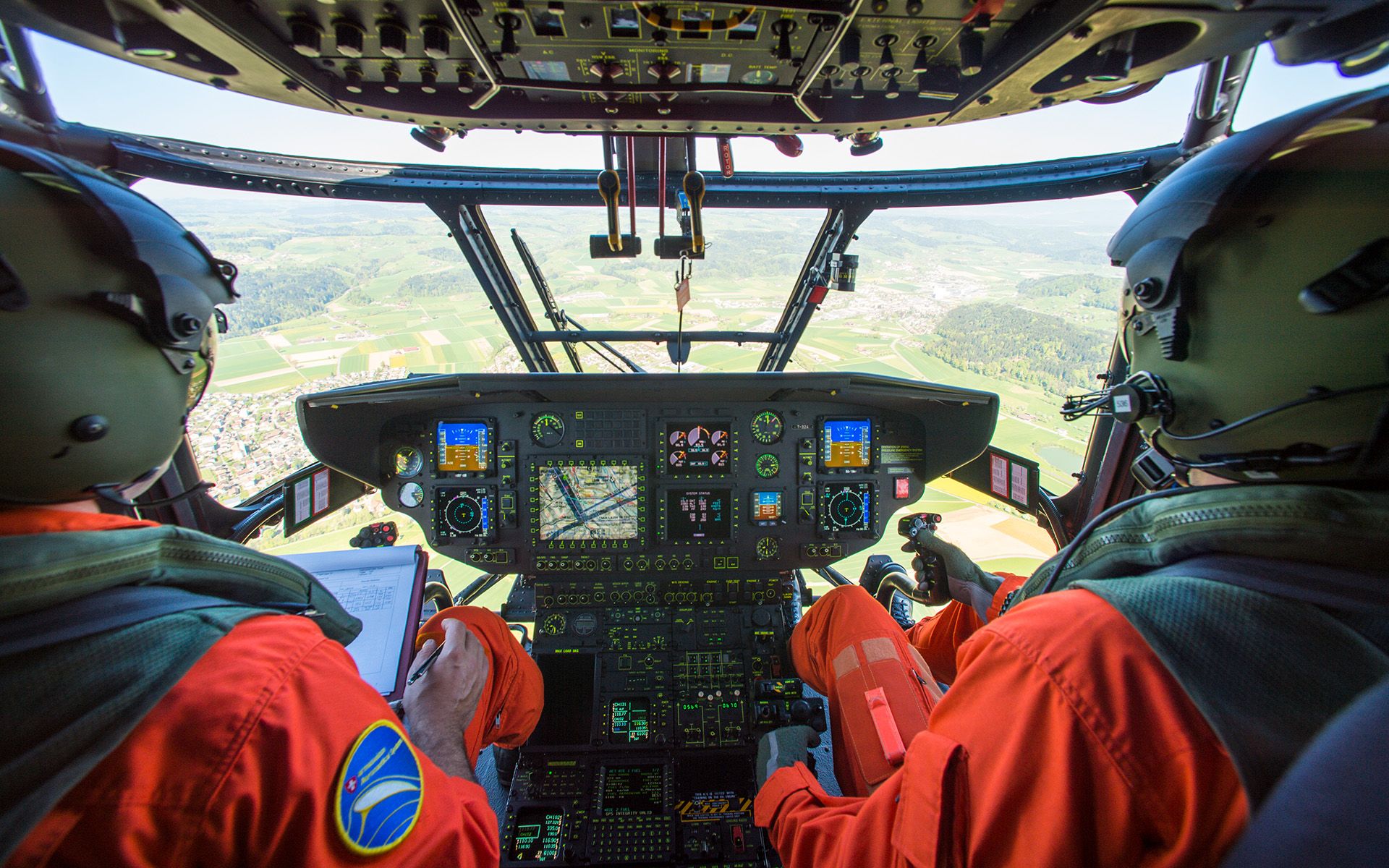
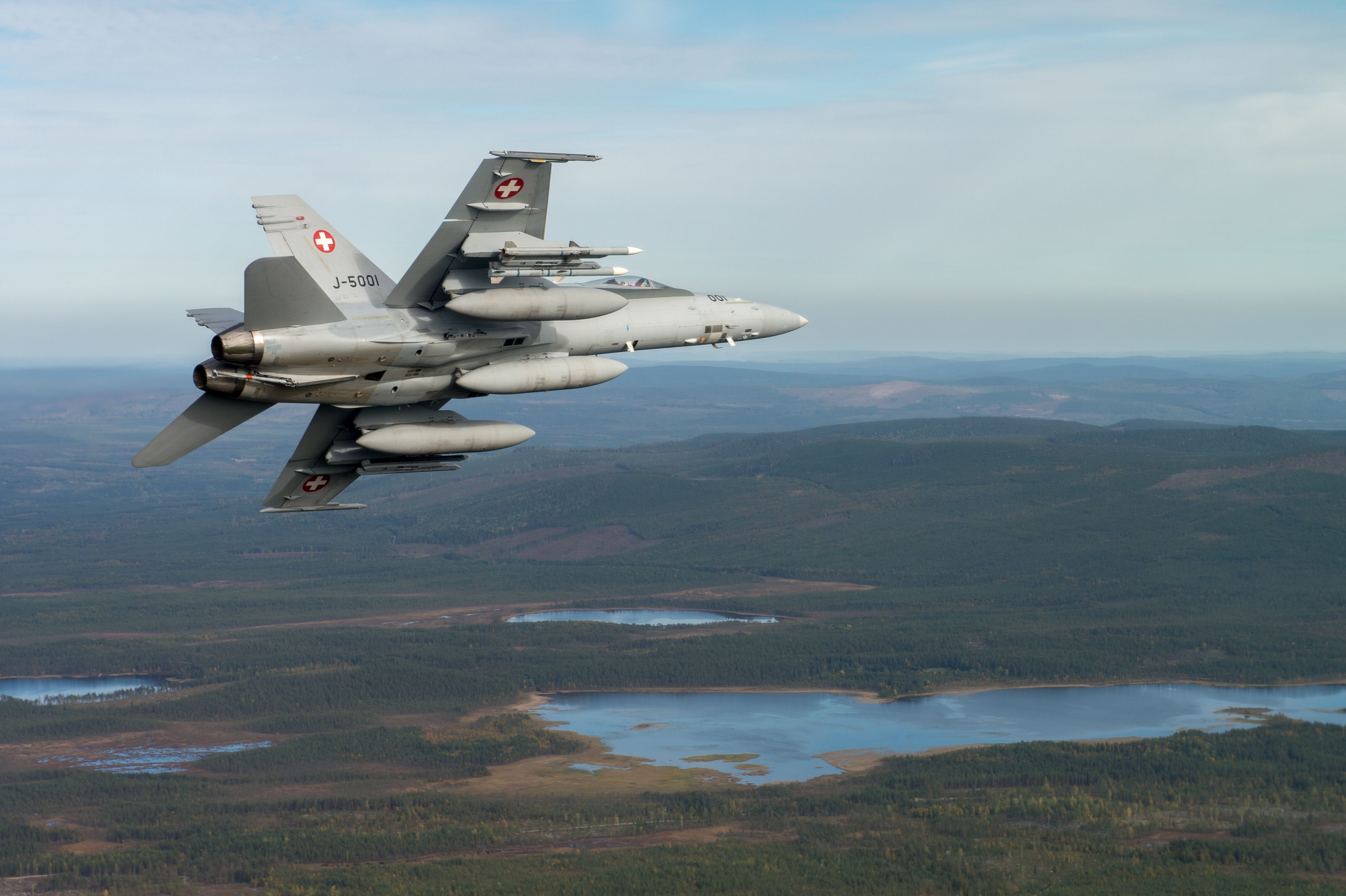
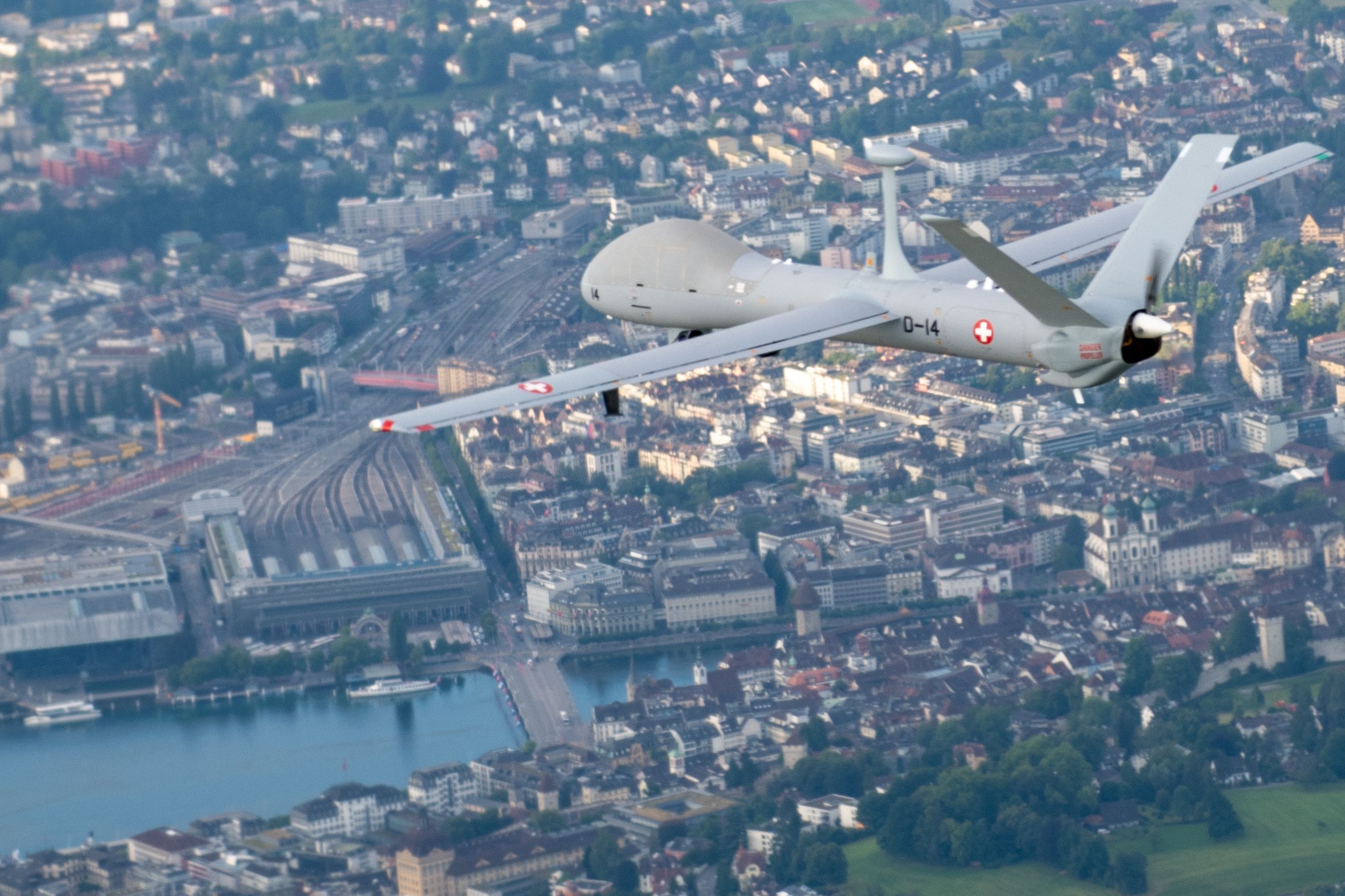
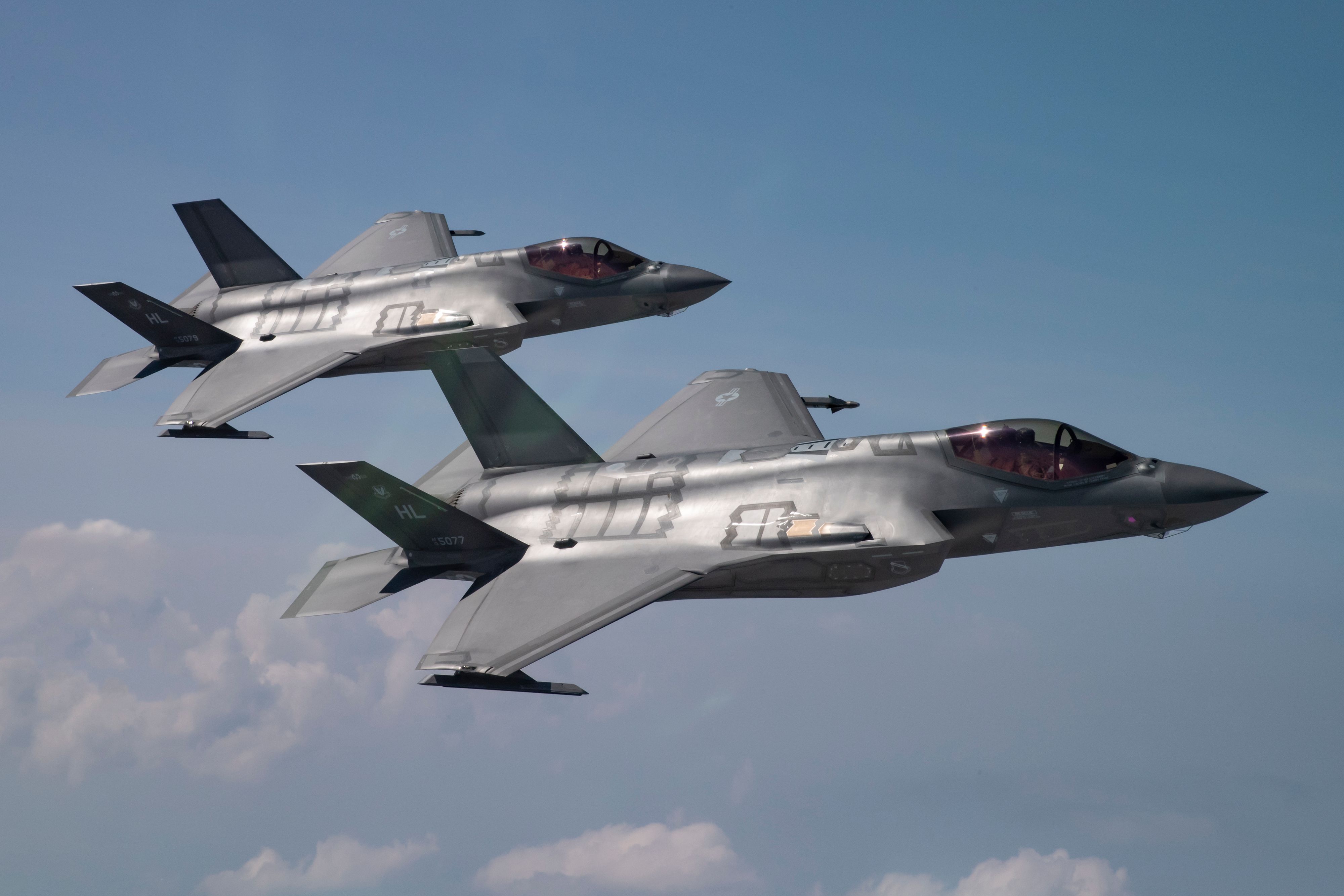
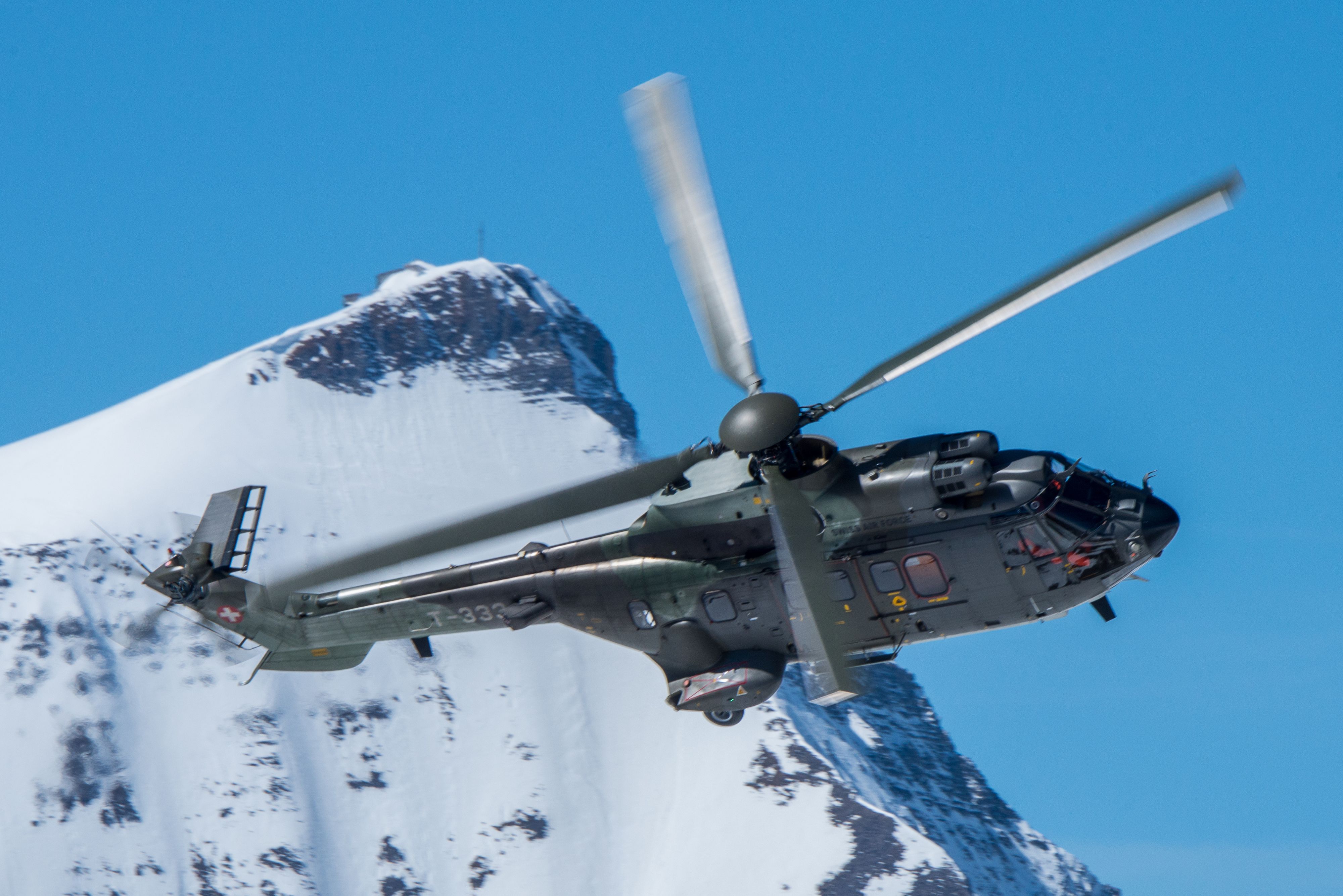
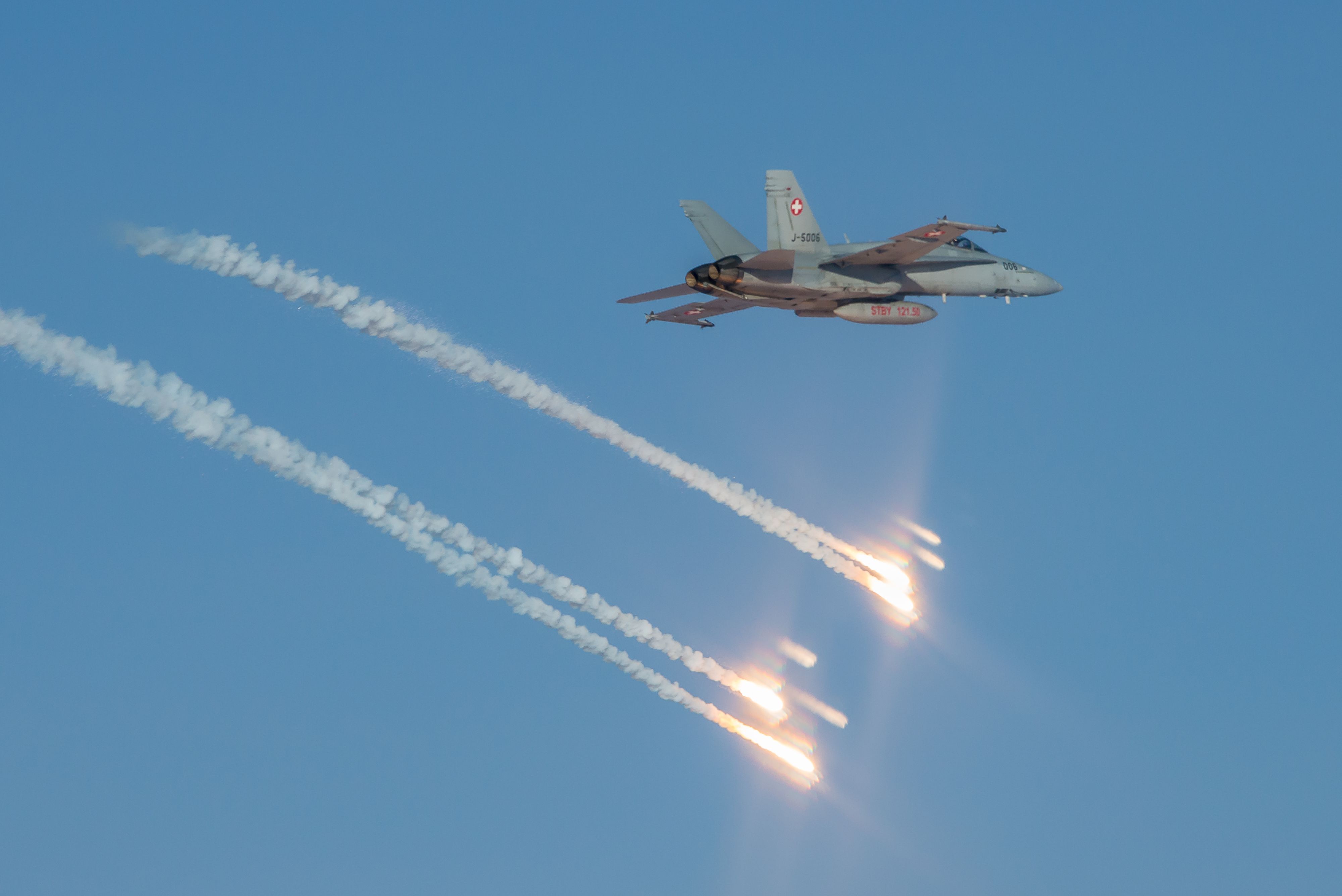
The Flight Test Center performs flight testing on all systems of the Swiss Confederation. These include combat and propeller aircraft, transport and training helicopters, state aircraft of the Federal Air Transport Service (FATS), unmanned aircraft and ground-based systems for the flight operation infrastructure. The Flight Test Center also supports the Federal Office of Civil Aviation (FOCA) with flight testing as part of type certifications of new or modified aircraft.
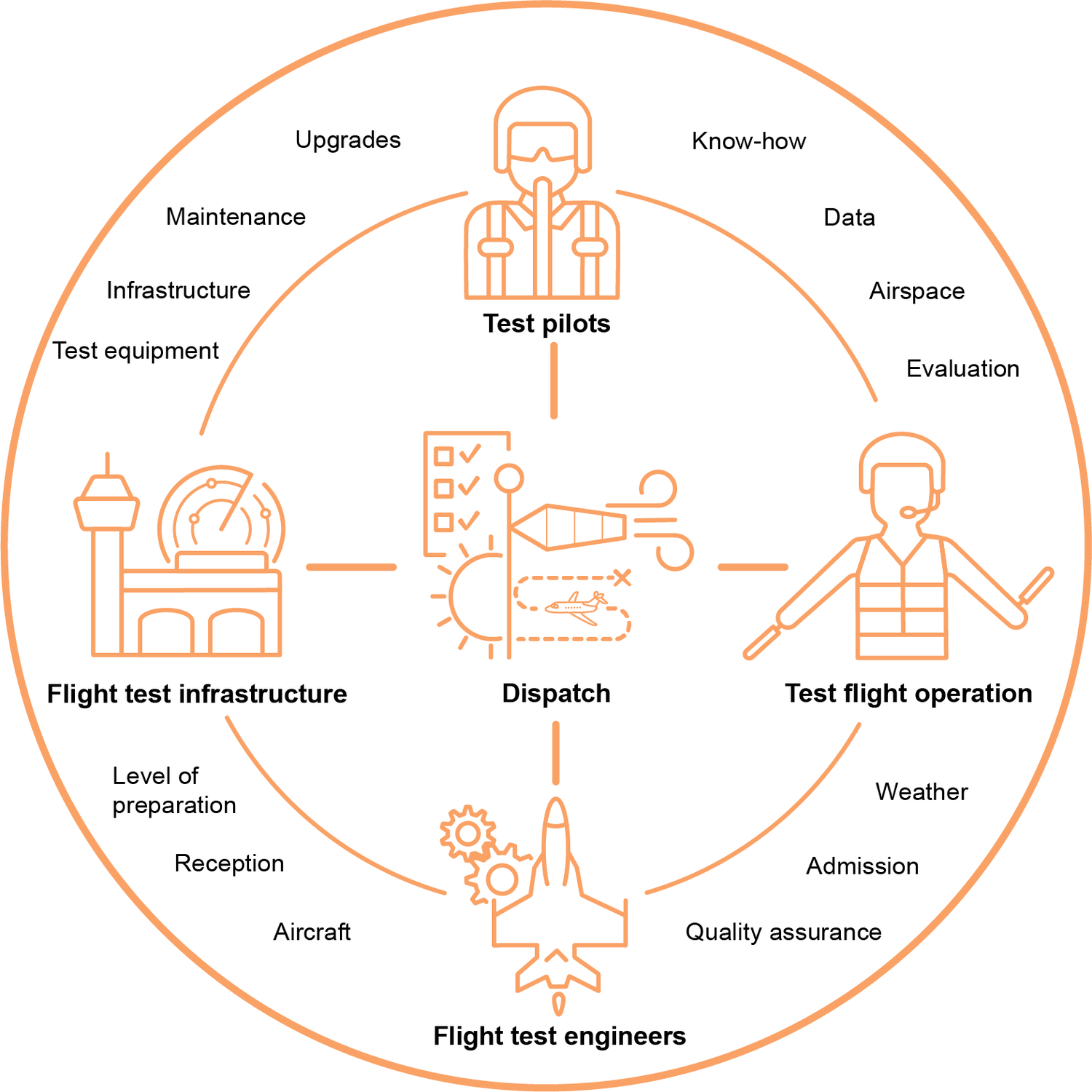
The goal and mission of flight testing is to check aircraft, equipment and systems in flight for airworthiness, performance and function. These tests are performed by teams consisting of test pilots, flight dispatch, flight test engineers, specialists in test flying operations and flight test infrastructure.
The flight testing team develops comprehensive flight test programmes for the orders. An efficient risk management constitutes a substantial component of this.
The test results are used to comply with and improve the safety and efficiency of aircraft, systems and equipment. The results are summarised in flight test reports and corresponding recommendations (acceptance, admission, limitations, normal and emergency procedures) are issued.
n Switzerland, flight testing is required for the authorities, such as armasuisse for procurements, the Military Aviation Authority (MAA) for military and the Federal Office of Civil Aviation (FOCA) for civilian admissions. For military aircraft and systems, armasuisse carries out development and production flights for industries closely associated with the authorities. This results in powerful synergies, time and costs savings.
Most of the resources are used for armasuisse orders in the area of flight testing (evaluation, development, qualification/admission, acceptance).
Bundling the competences in the specialist area Flight Testing means that a minimum critical organisation size is achieved, which ensures overall efficient, cost-oriented and sustainable flight testing.
The results of flight testing form the basis for decisions by the procurement and regulatory authorities, ensure safety and increase the efficiency of aviation systems.
Personal Flight Test Center
Flight testing is a real team effort and is ensured by various different specialists from several teams. The various task areas work hand in hand and can only plan, prepare, perform and document flight testing successfully if they work together.
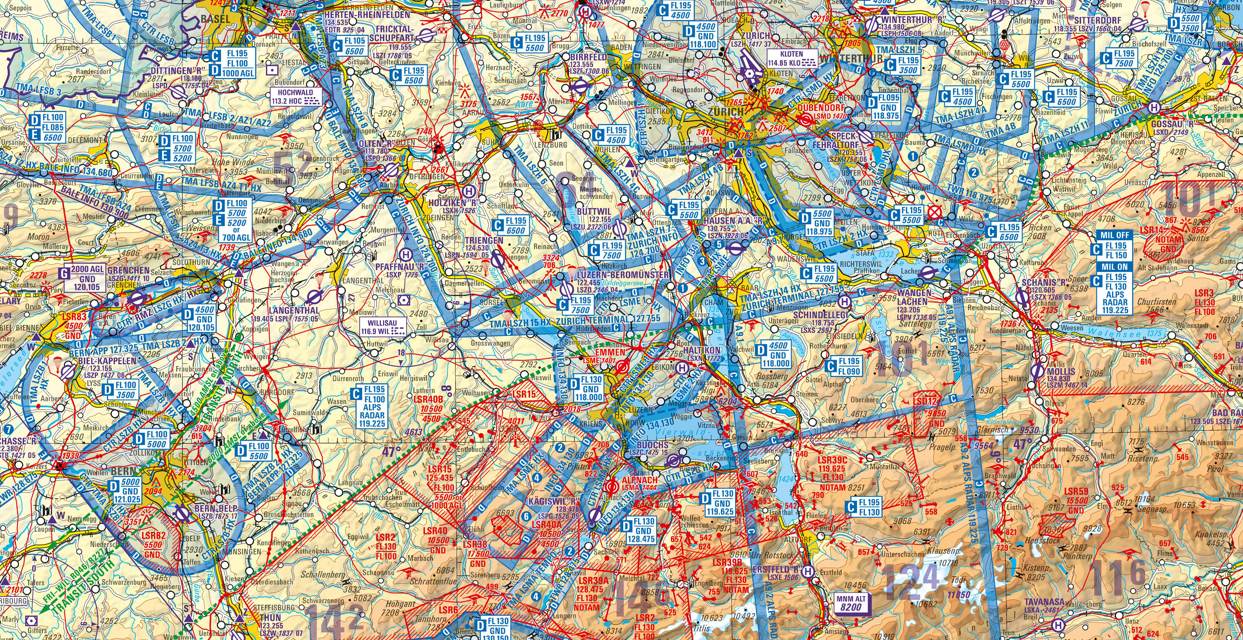
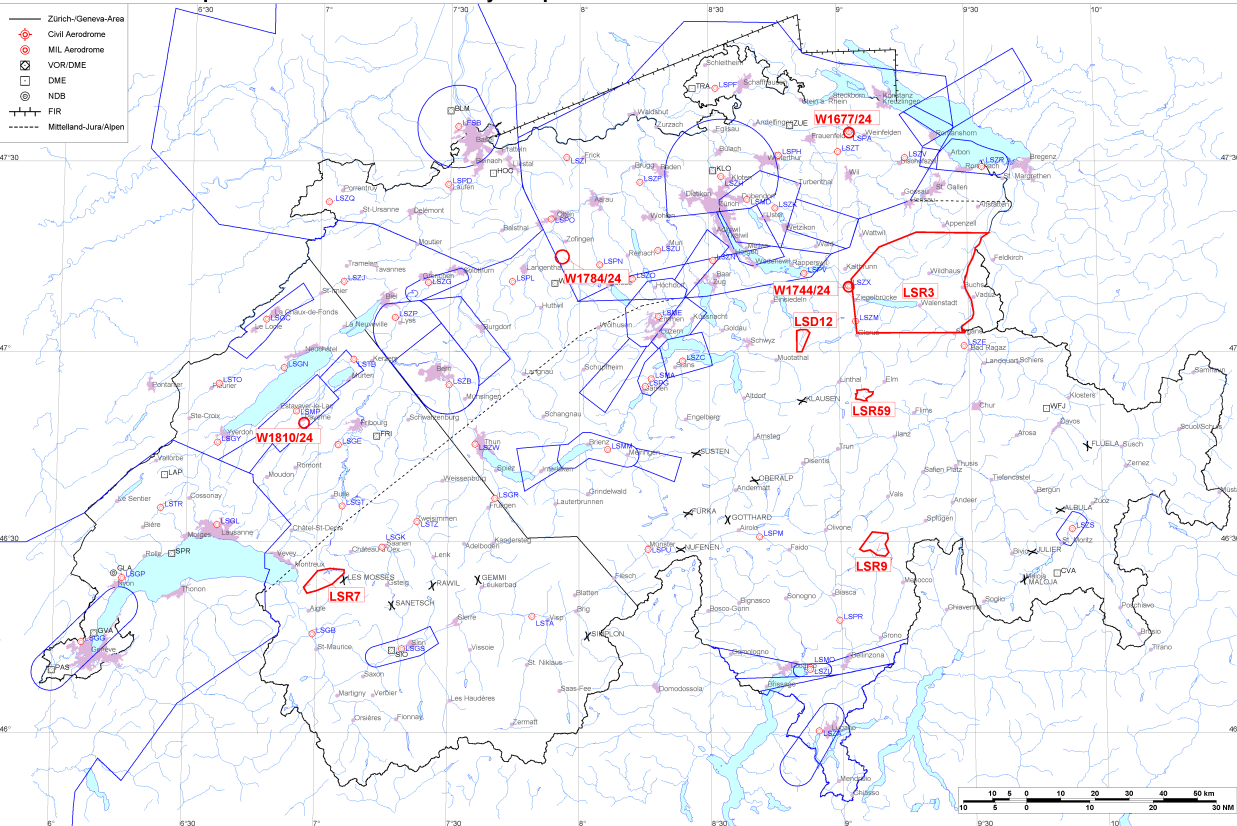
The tasks of armasuisse Flight Dispatch consist of coordination and consultation with the organisational units involved (Air Force, air traffic control, operations centre, internal departments), in order to have the resources necessary for flight testing (aircraft, airspaces, authorisations) available.
Flight testing is predominantly carried out in Switzerland. For missions abroad, additional diplomatic authorisations, international flight plans, customs, landing organisations as well as the handling of the aircraft on the ground must be organised.
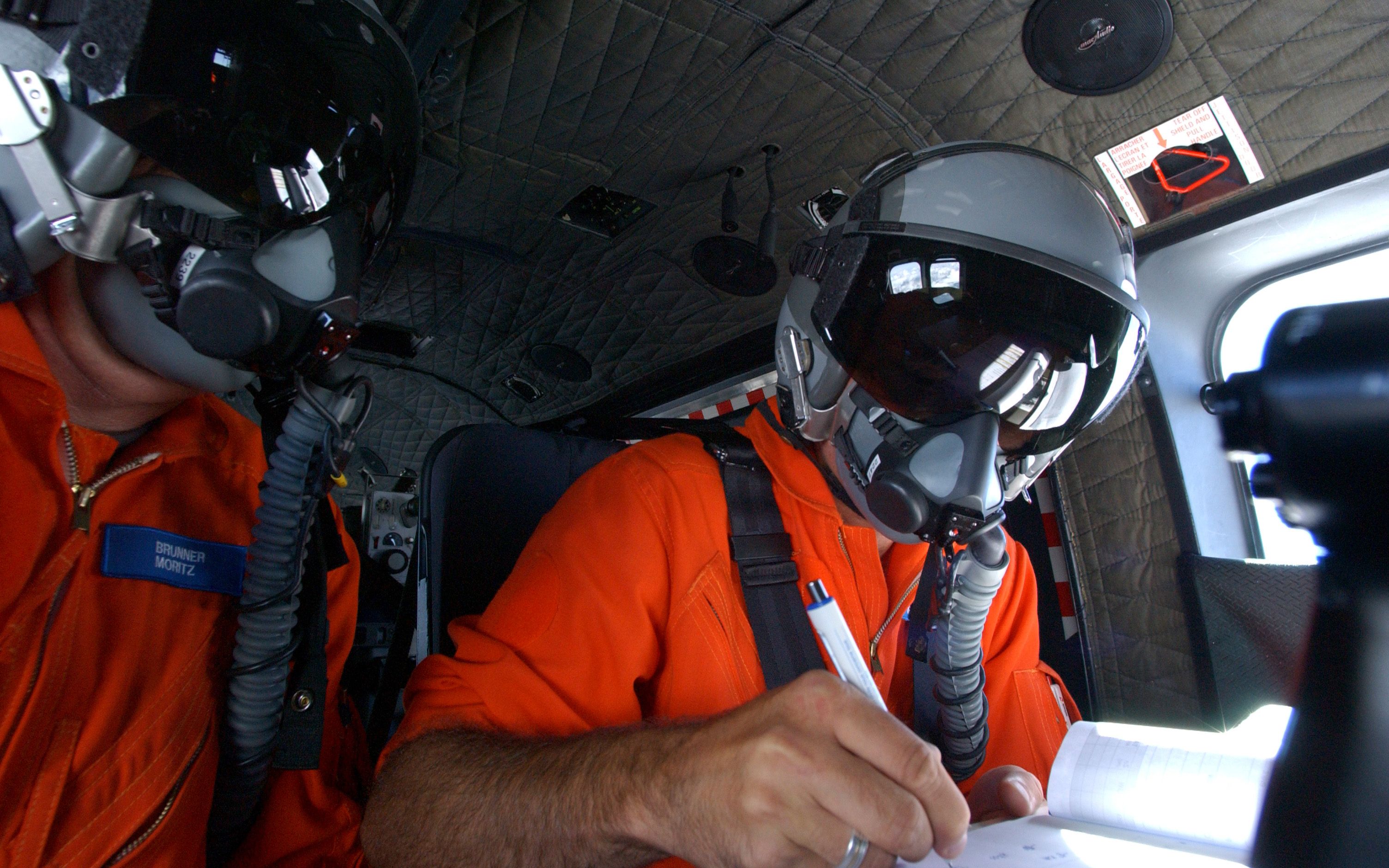
The test pilots’ tasks are the comprehensive and safe testing of aircraft and systems. These flight tests include checking the airworthiness (such as safety, stability, manoeuvrability) of the performance and function. They test new and modified aircraft, helicopters, drones, systems and equipment, as well as develop new flight procedures. Using the flight manoeuvres defined in the testing programme, they examine the behaviour of the aircraft and systems according to the stipulated conditions.
Test pilots are specialised in helicopters, drones and jet aircraft. Propeller aircraft are flown by all test pilots.
The flight test engineers’ tasks are the planning, implementation and evaluation of flight testing. Together with the test pilots, they develop the test plans and determine the required equipment and instrument systems. During the flight tests, they monitor the data in real time and subsequently analyse it. They identify problems, develop solutions and thus contribute to the continuous improvement of the performance and safety of aircraft.
The role of the flight test engineer during flight testing requires technical expertise, a thorough analytical capability and the ability to work in an interdisciplinary team.
Flight test engineers are specialised in helicopters, drones and jet aircraft. The propeller aircraft are common to all.
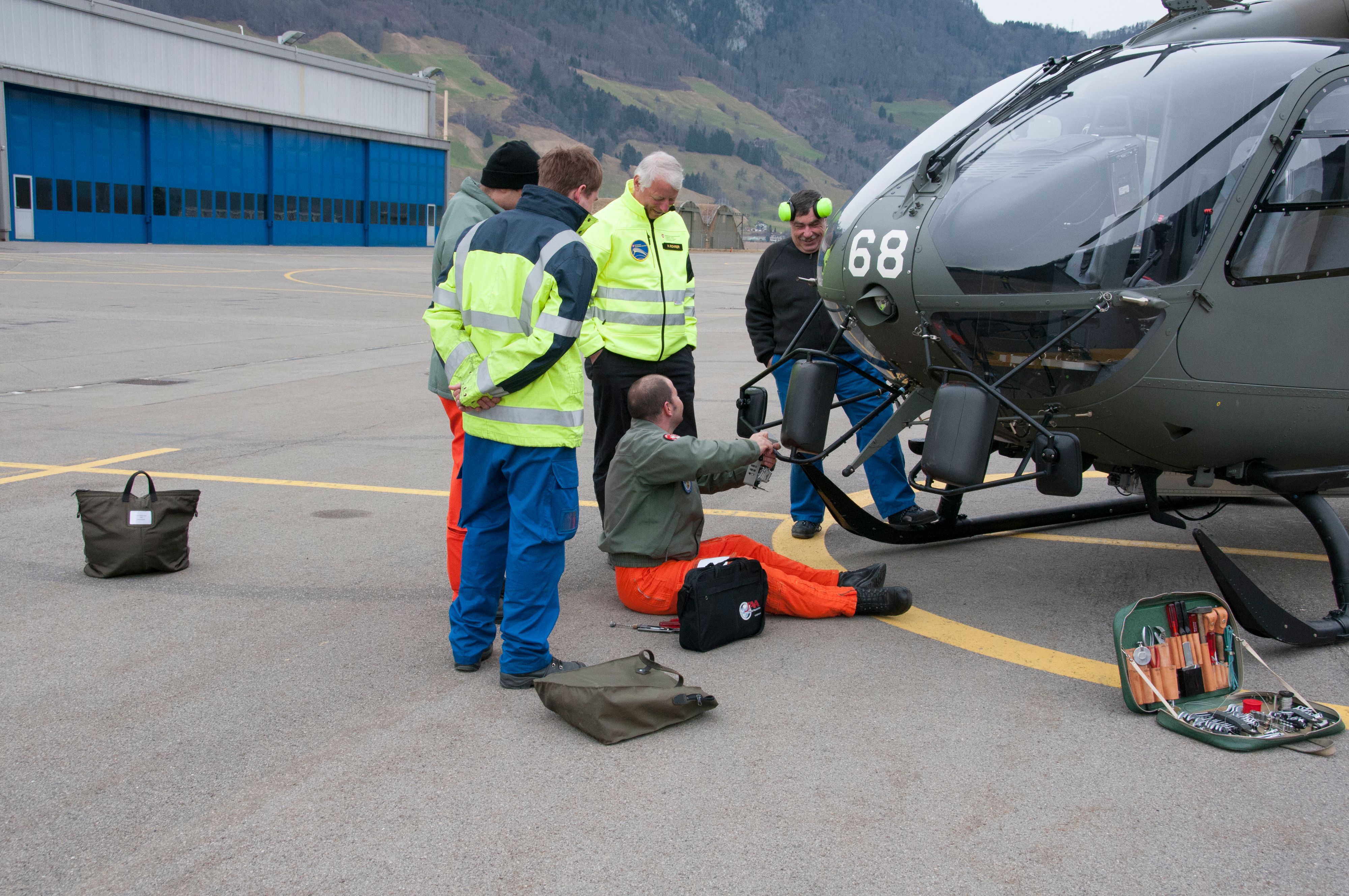
The task of test flight operation is to prepare the aircraft. This encompasses aircraft maintenance, checking the systems and instruments as well as preparing the required configuration. By signing the work reports, staff confirm the fault-free condition of the aircraft and systems and conformity with test requirements.
They are qualified for preflight inspections and operating tasks on various different aircraft types of the Swiss Air Force as well as for armasuisse aircraft. They co-develop the provision specifications for new or modified aircraft and systems.
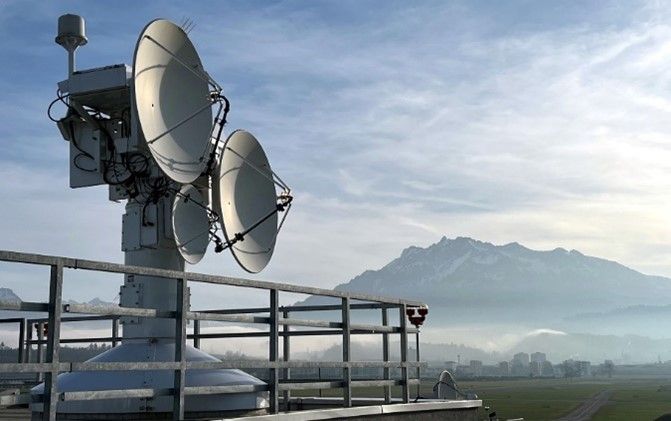
The task of flight test infrastructure is the operation of test systems on the ground and in the air. These systems cover large areas of the electromagnetic spectrum. Communication systems can thus be tested and threats in the area of electronic warfare can be simulated. The team operates various portable or permanently installed emitters and measuring systems for this purpose.
The application of flight test infrastructure is based on the specific requirements of flight testing and the aircraft to be tested. The data collected during the tests is then processed and analysed and is incorporated in the test reports.
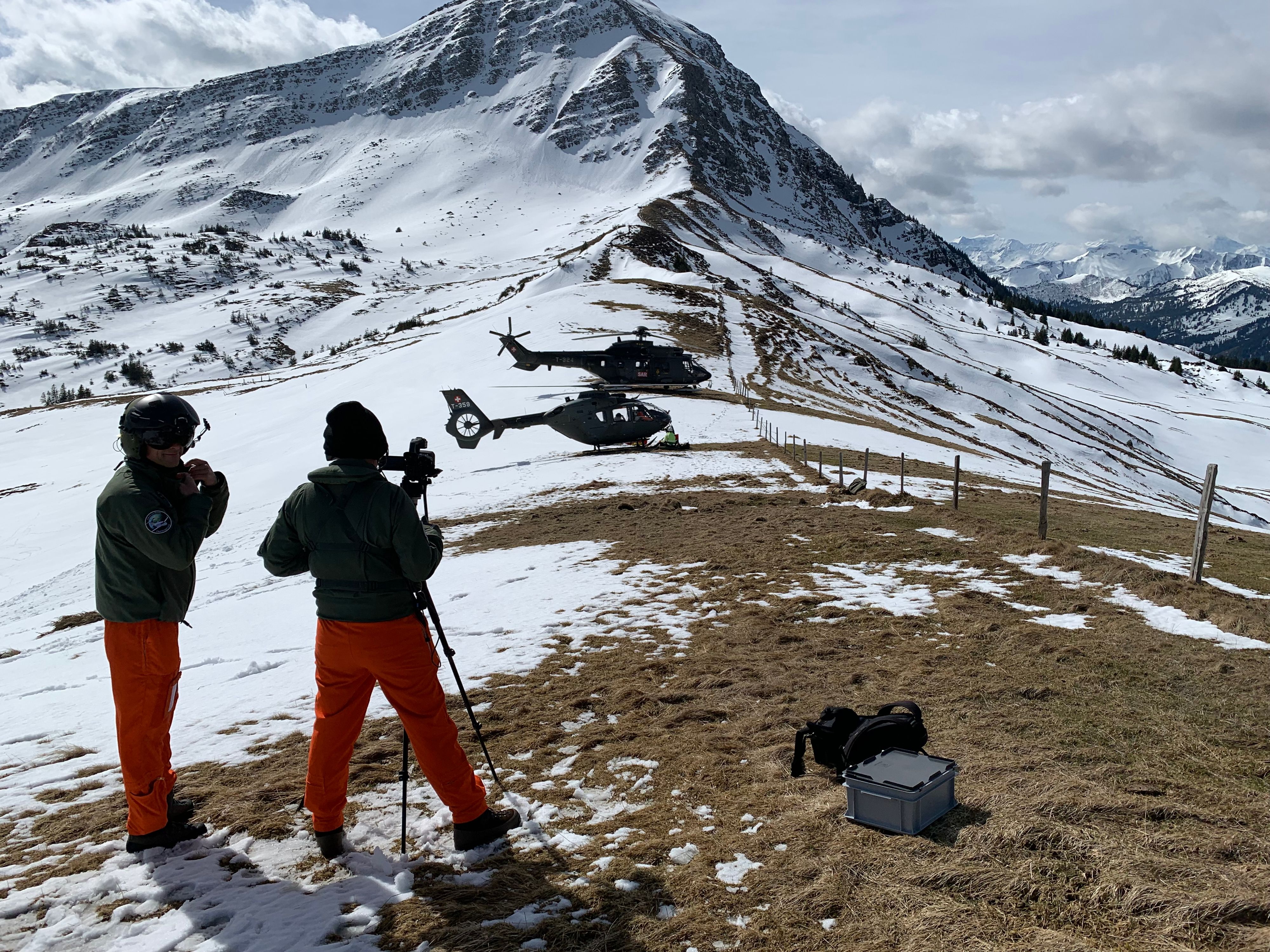
Jets, helicopters and propeller aircraft of the Swiss Air Force are used to perform the daily work in the Flight Test Center. Further special aircraft are required in addition for the broad range of tasks. Each of these fulfils specific purposes and is suitable for various different missions.
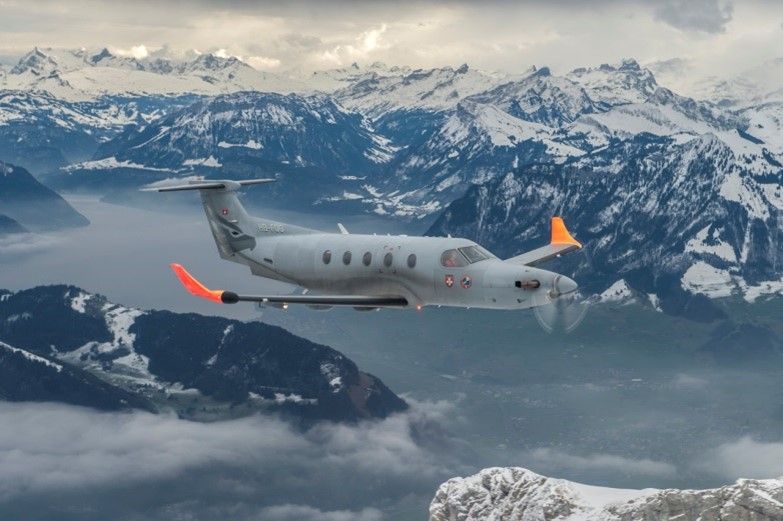
The aircraft is used primarily for testing and in a secondary capacity for transporting persons, training and education.
The aircraft can be furnished with additional equipment for testing, for example, for communication purposes (data and radio transmission) or for recording additional flight parameters.
The field of application also includes target simulations and flights for calibrating radar systems.
Good to know:
Thanks to the pressurised cabin, the aircraft can climb to 30,000 feet (around 9,100 metres) and, if necessary for the mission, remain over eight hours in the air.
The HB-FOG was produced in 1995 as the 34th PC-12 and was used by the company Pilatus as an EAGLE demonstrator. armasuisse acquired the aircraft in 2001.
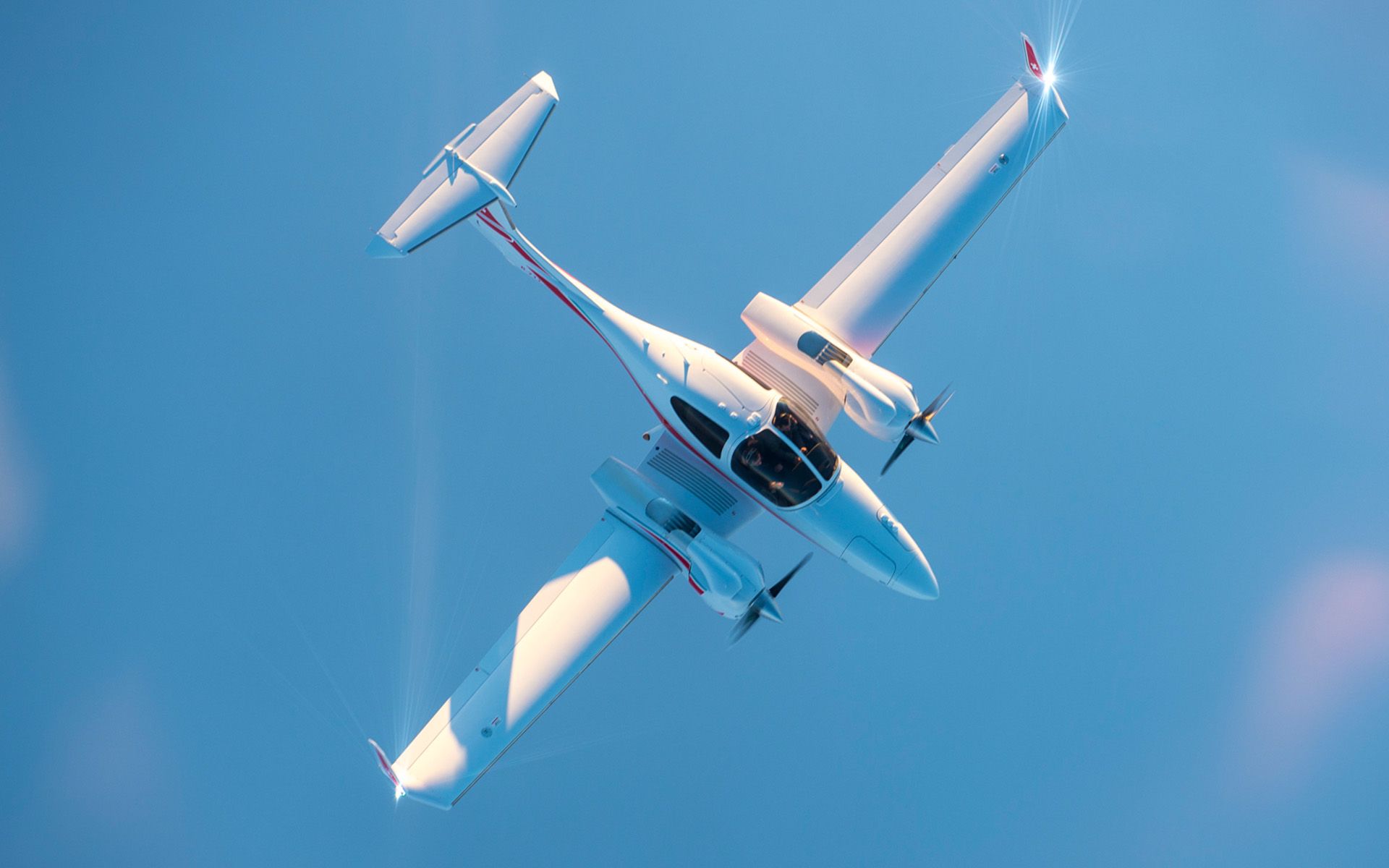
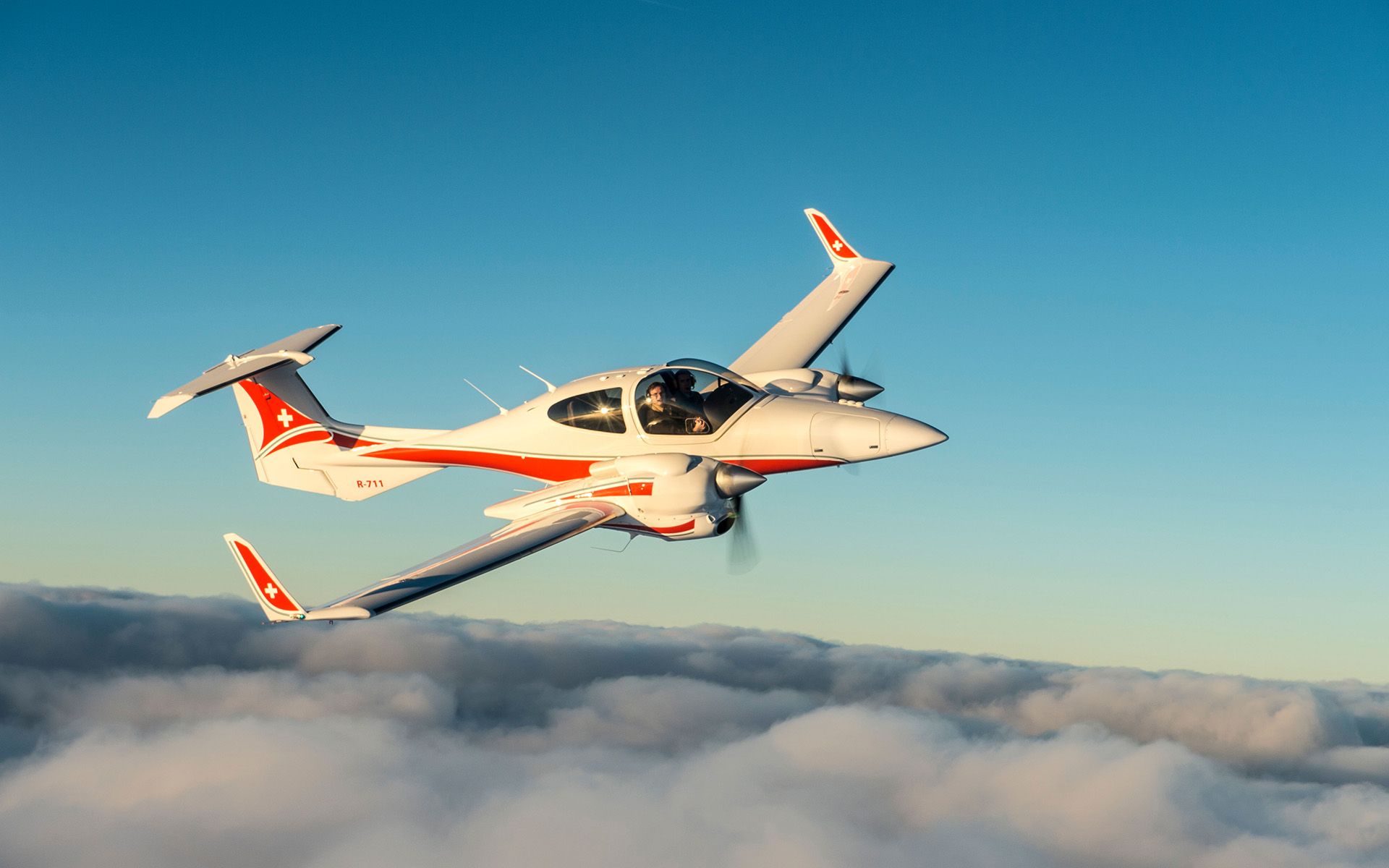
The twin-engined aircraft is primarily used for testing the reconnaissance drone system 15 (ADS 15). Depending on the mission, the aircraft can be reconfigured and, for example, equipped with externally mounted sensors (such as radar, thermal imaging device, data link). In its basic configuration, the aircraft offers room for up to four persons. Depending on the mission equipment installed, this number is reduced and the plane might then only be able to accommodate the pilot.
Good to know:
The DA-42 can be equipped with a mechanical autopilot for «Optional Piloted Aircraft» operation (OPA), which, controlled from the ground, operates the control stick and the pedals.
The aircraft is used primarily for testing and in a secondary capacity for transporting persons, training and education.
The aircraft can be furnished with additional equipment for testing, for example, for communication purposes (data and radio transmission) or for recording additional flight parameters. The aircraft is also used for target simulation of systems for identifying other aircraft.
Good to know:
The aircraft can be equipped with additional tanks under the wings to double the range and the flight time.
The HB-FCF was constructed in 1966 and in 1967 was taken over by the KTA at the time (predecessor organisation of armasuisse).