

The sunny side of the Chur military training ground
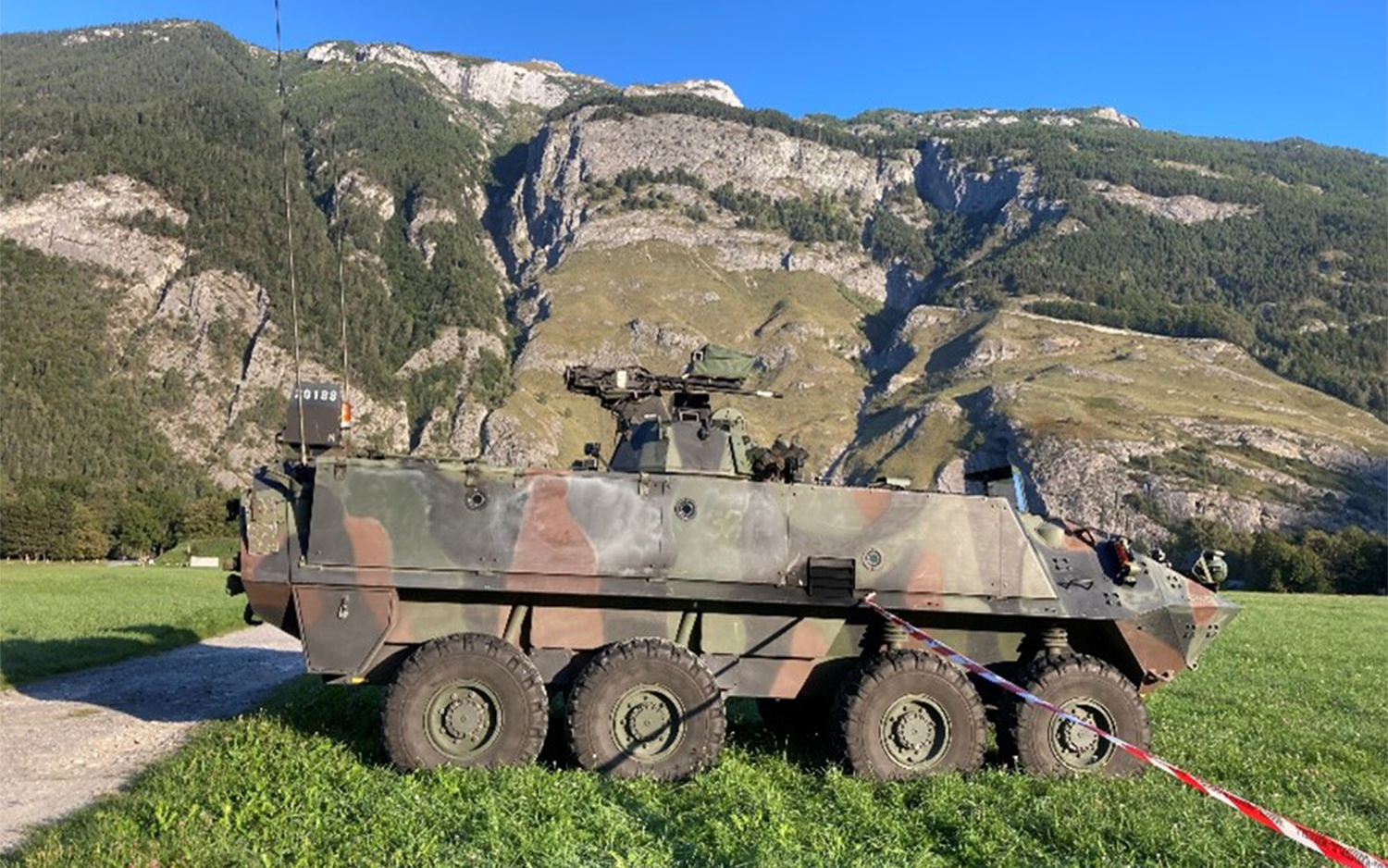
The infantry school on the Chur military training ground holds regular shooting practice. Sparks are inevitable, increasing the risk of fire on the dry slope of the Calanda. Active management can reduce the risk of fire considerably, and increase biodiversity.
Dr. David Külling, SA UNS, armasuisse Real Estate
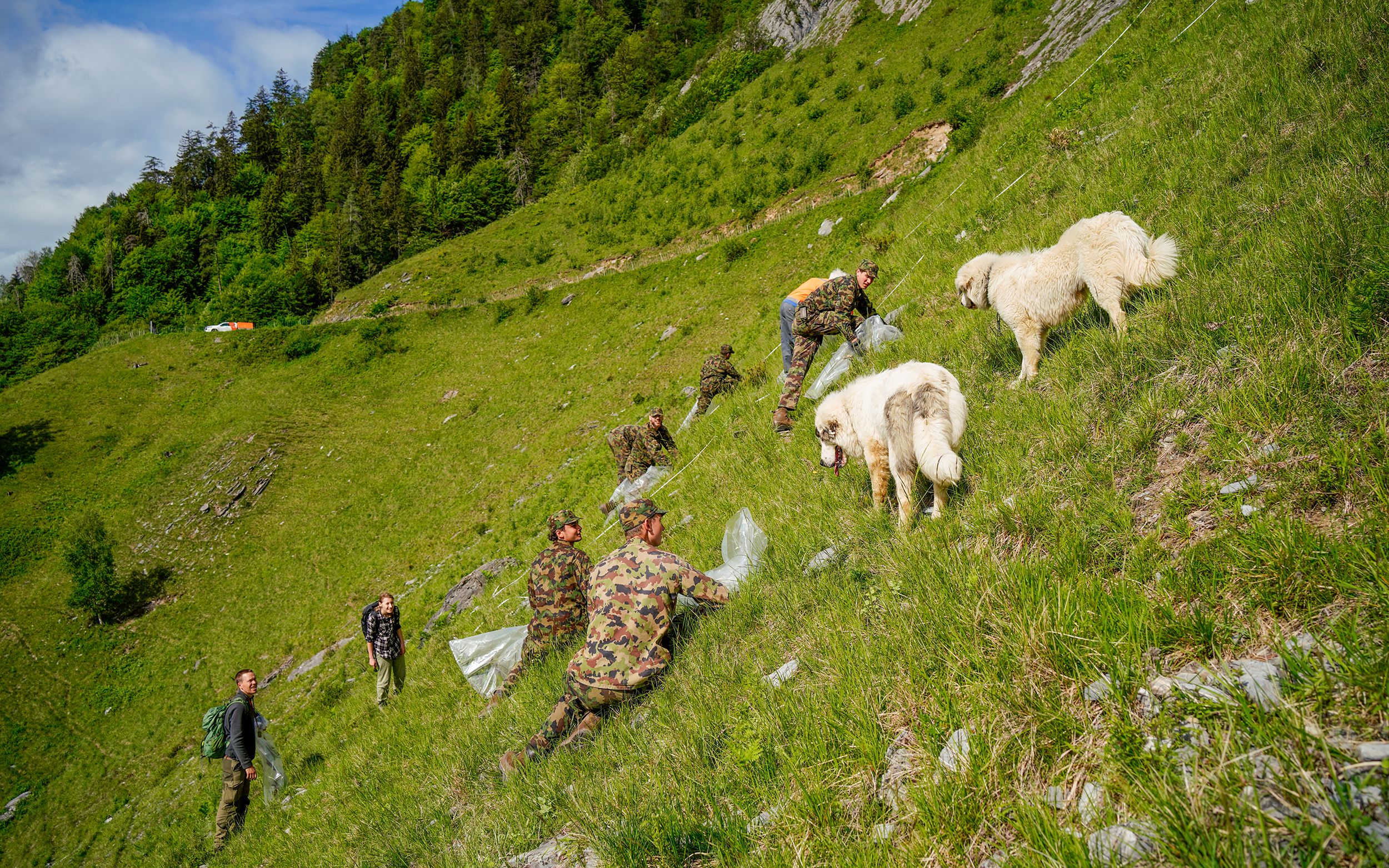
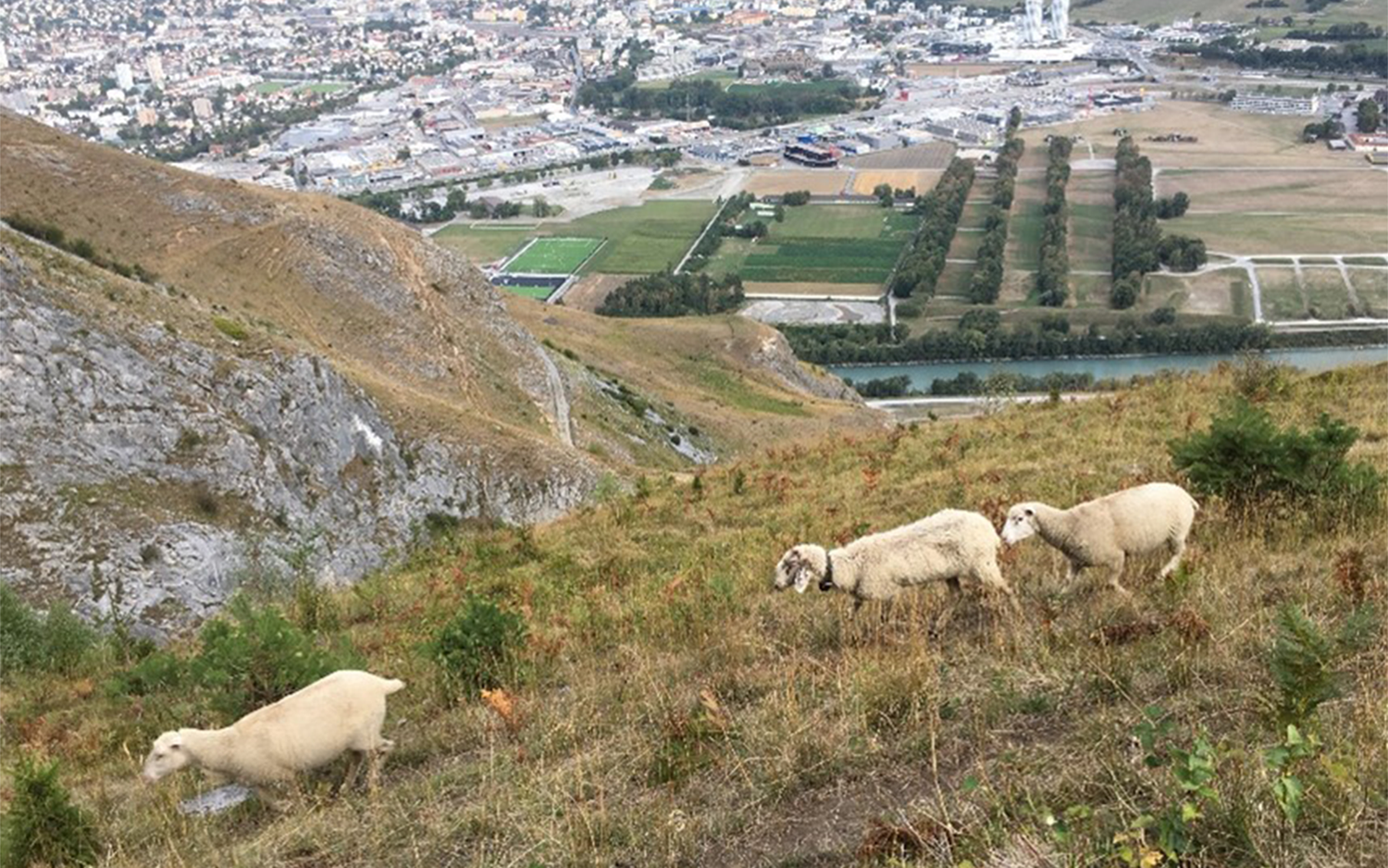
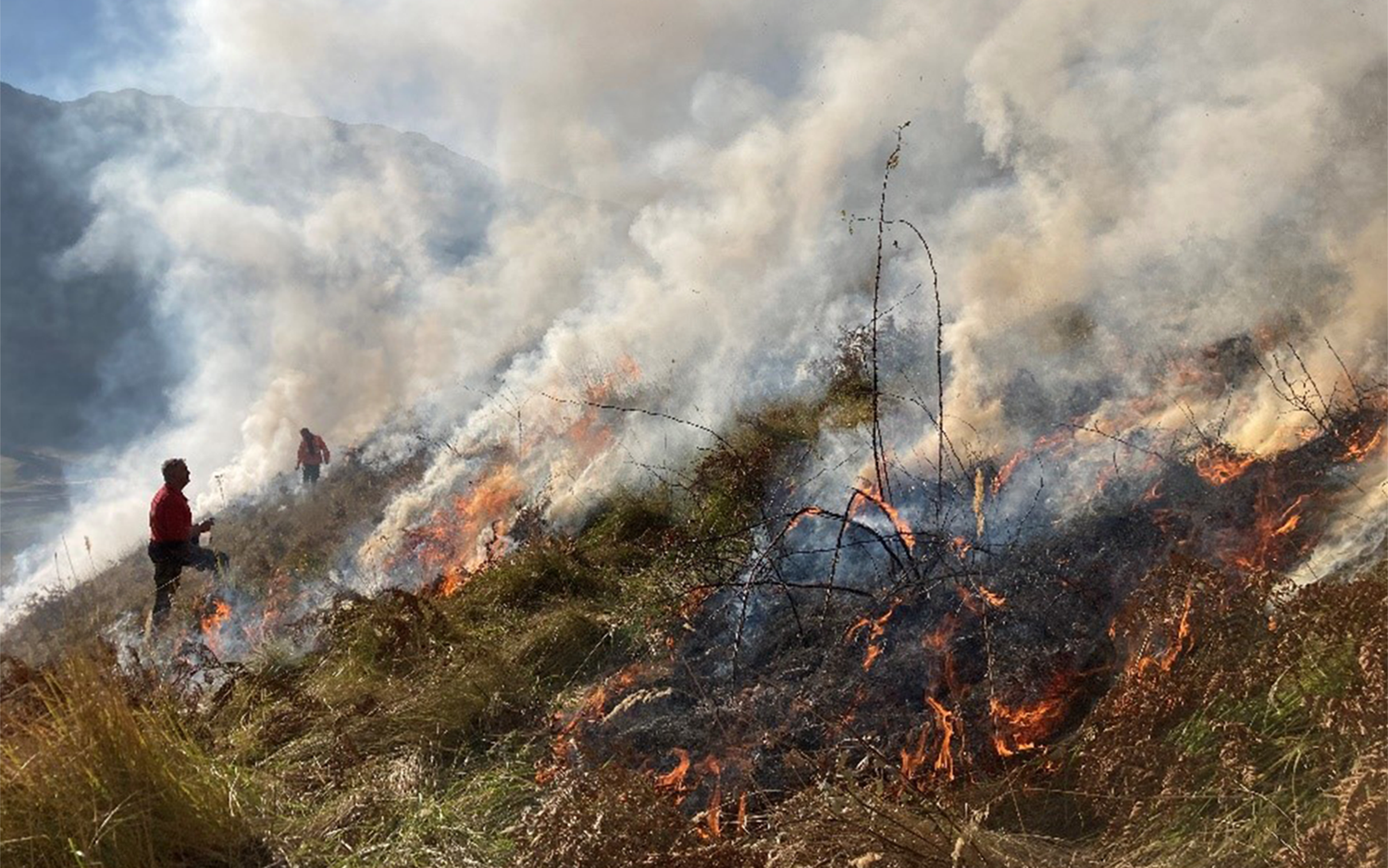
If trees, grasses and plants are left to grow without putting land to agricultural use, the amount of combustible material accumulates over time. Active management reduces the likelihood of the dry undergrowth catching fire. The quantity of combustible plant matter affects the spread and intensity of any fire. armasuisse Real Estate takes suitable action in cooperation with the Armed Forces Logistics Centre Hinwil and Infantry School 12. Active management forms part of the Nature – Landscape – Armed Forces programme.
On the slope of the Calanda, this involves
- selectively removing bushes;
- regularly allowing flocks to graze under the eye of sheepdogs;
- and carrying out controlled burnoff in the winter to reduce the risk of major fires.
From forest to steppe
In a forest the tree canopy protects the soil underneath against severe weather. But if unfiltered sunlight hits the ground, weather conditions are harsher. The result is that the climate there varies more drastically than in the surrounding area. On this steep wooded slope the sunshine is even more intense. These factors affect the species of grass and plants able to survive and flourish under such conditions. The land becomes like a steppe – dry, with no trees.
Protecting nature on the slope
In the 1940s a major forest fire occurred on the slope, which back then was still covered by trees. For more than 20 years, agricultural measures have been taken each summer and winter. A review of the results since 2004 has shown that unique plant species can be preserved and maintained on the slope if there are no major fires. Elsewhere though, they are vanishing, either in the expanding forest, or to agricultural use or as a consequence of building.
The Nature – Landscape – Armed Forces programme
For 20 years the DDPS has been identifying and preserving species diversity and habitats on its sites, and encouraging them where it is reasonable to do so. This commitment pays off! As a consequence of the measures taken, habitats and species on the endangered list are found more commonly on shooting ranges and military training grounds and airfields than in the rest of the country. The geodata from the NLA programme can now be found in their own map layer on the map.geo.admin federal platform.
armasuisse Real Estate
CH - 3003 Bern