

Biodiversity on DDPS sites
DDPS sites have considerable potential to promote biodiversity. Many areas used by the armed forces are in protected landscapes and nature reserves. Armed forces’ sites are used less intensively than non-military areas, creating unique habitats. The DDPS has been encouraging species diversity for over 20 years through the Nature, Landscape and Armed programme (NLA).
Wanda von Steiger, Communications, armasuisse Real Estate
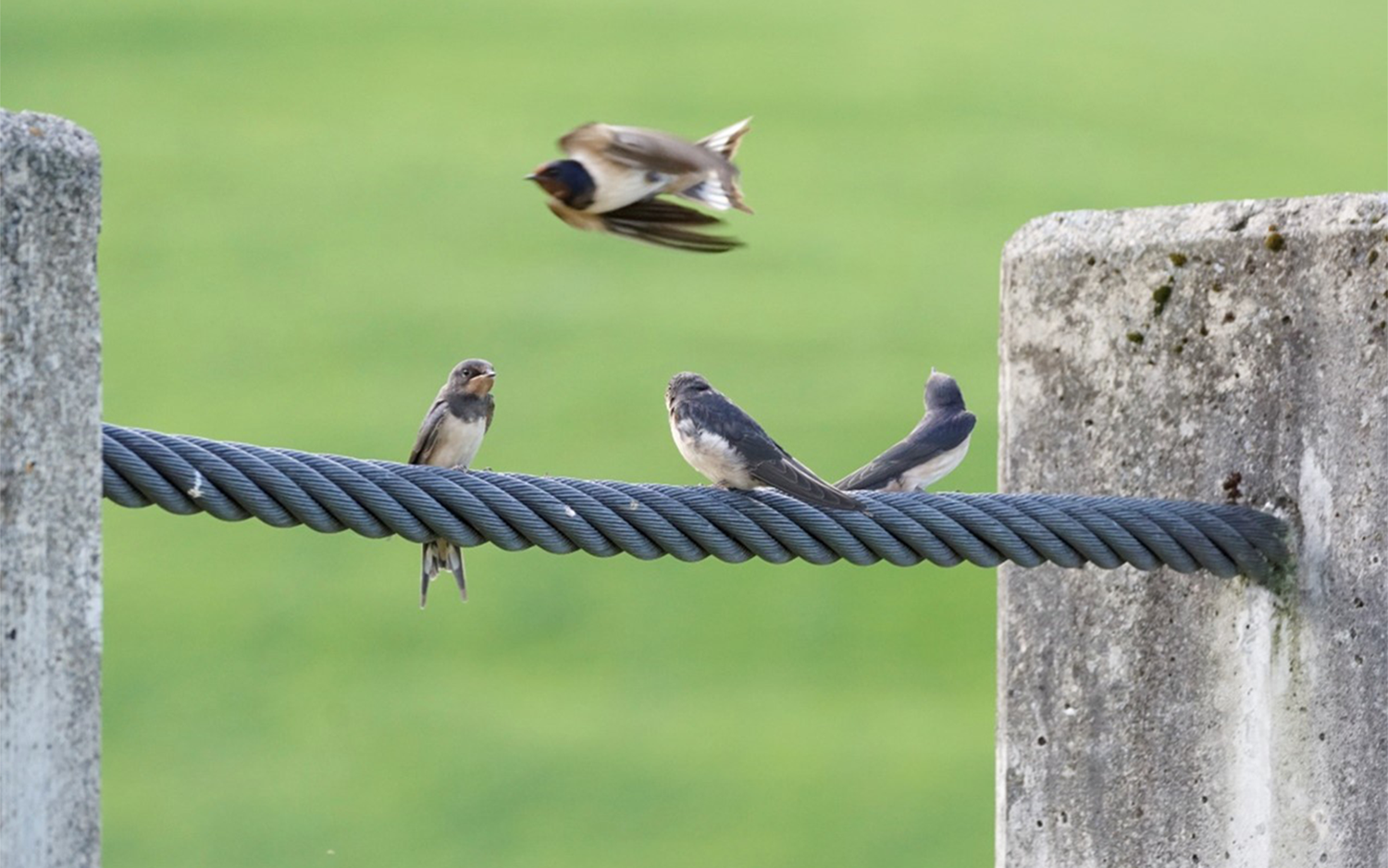
DDPS sites are sometimes extensive, and depending on how they are used by the armed forces they have considerable potential to promote biodiversity. Many areas used by the the armed forces are on the edge of protected landscapes and nature reserves, for example. Compared to non-military or agricultural areas, armed forces sites have been managed less intensively for decades. In other words, the land has seen fewer fertilisers, ploughing, building and non-military leisure activities. This creates particularly sparse, moist or dry habitats, which offer a place of refuge for rare animal and plant species in Switzerland.
Deployment exercises have to be carried out if the armed forces are to perform their duty to protect Switzerland. This can have a negative impact on the environment, for example through discarded munitions. These effects need to be identified and made safe.
Focus on biodiversity
Thanks to a series of actions under the NLA programme, the number of rare and threatened species on shooting ranges and military training areas and airfields is rising once more. The Swiss armed forces have become a key player in the Swiss Biodiversity Action Plan.
Promoting biodiversity means maintaining and encouraging the range of species. This can be done by focusing on improving the situation for one particular species. Or by actively managing a particular area. The theme of the month for Insights is biodiversity and looks at three specific examples: the Chur military training ground, the Turtmann drill ground and the Alpnach military airfield.
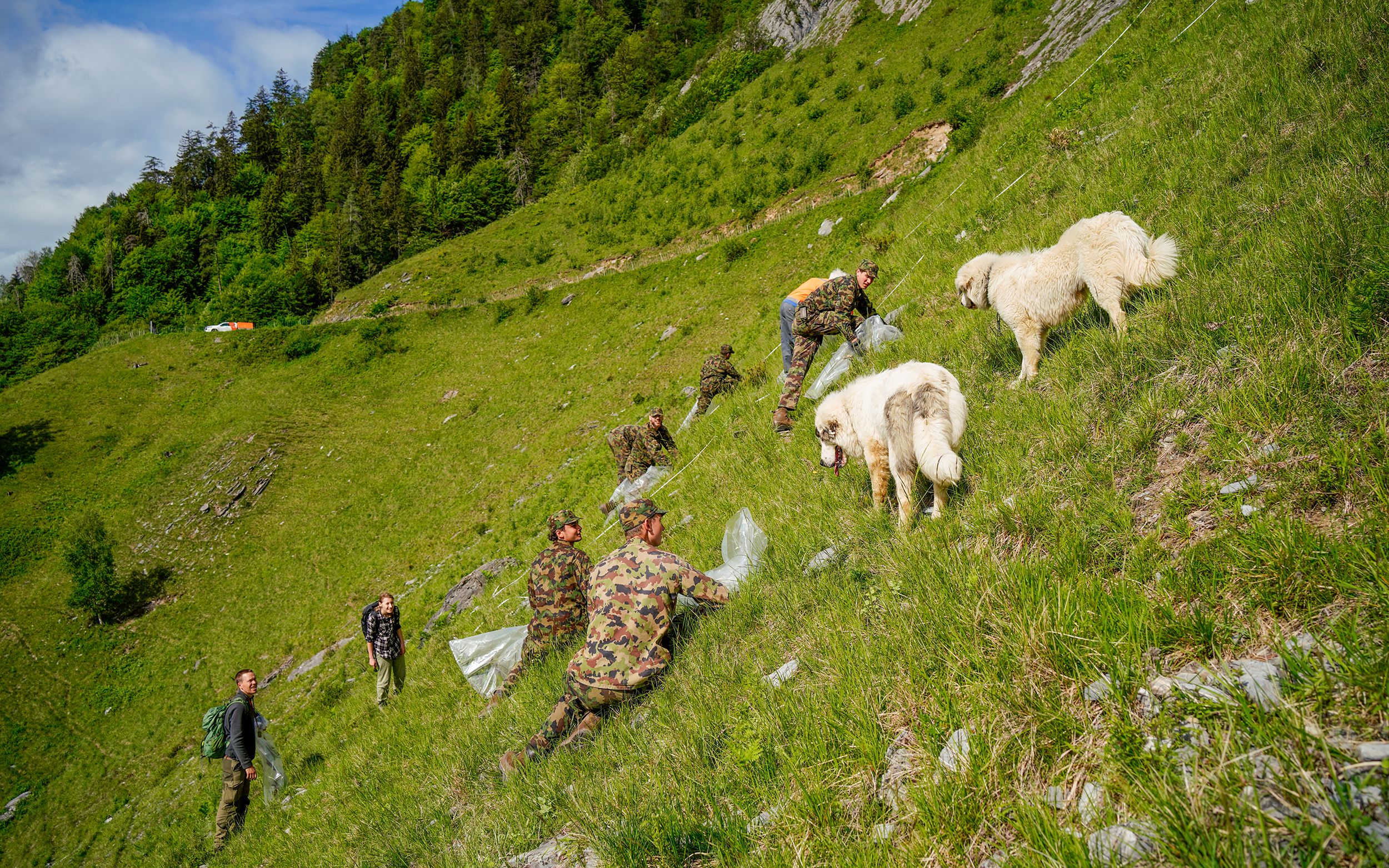
The sunny side of the Chur military training ground
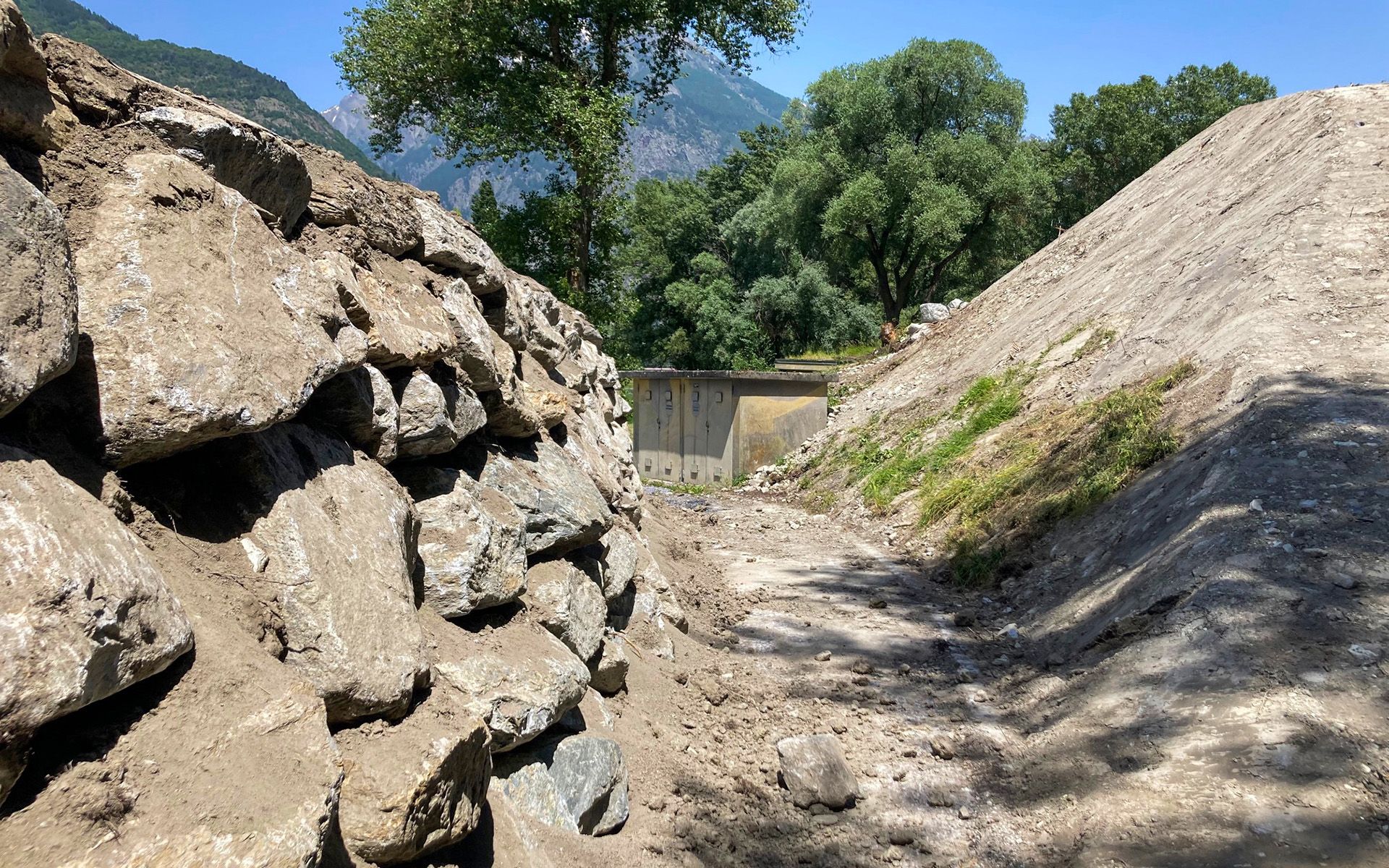
Recycling on the Turtmann training area
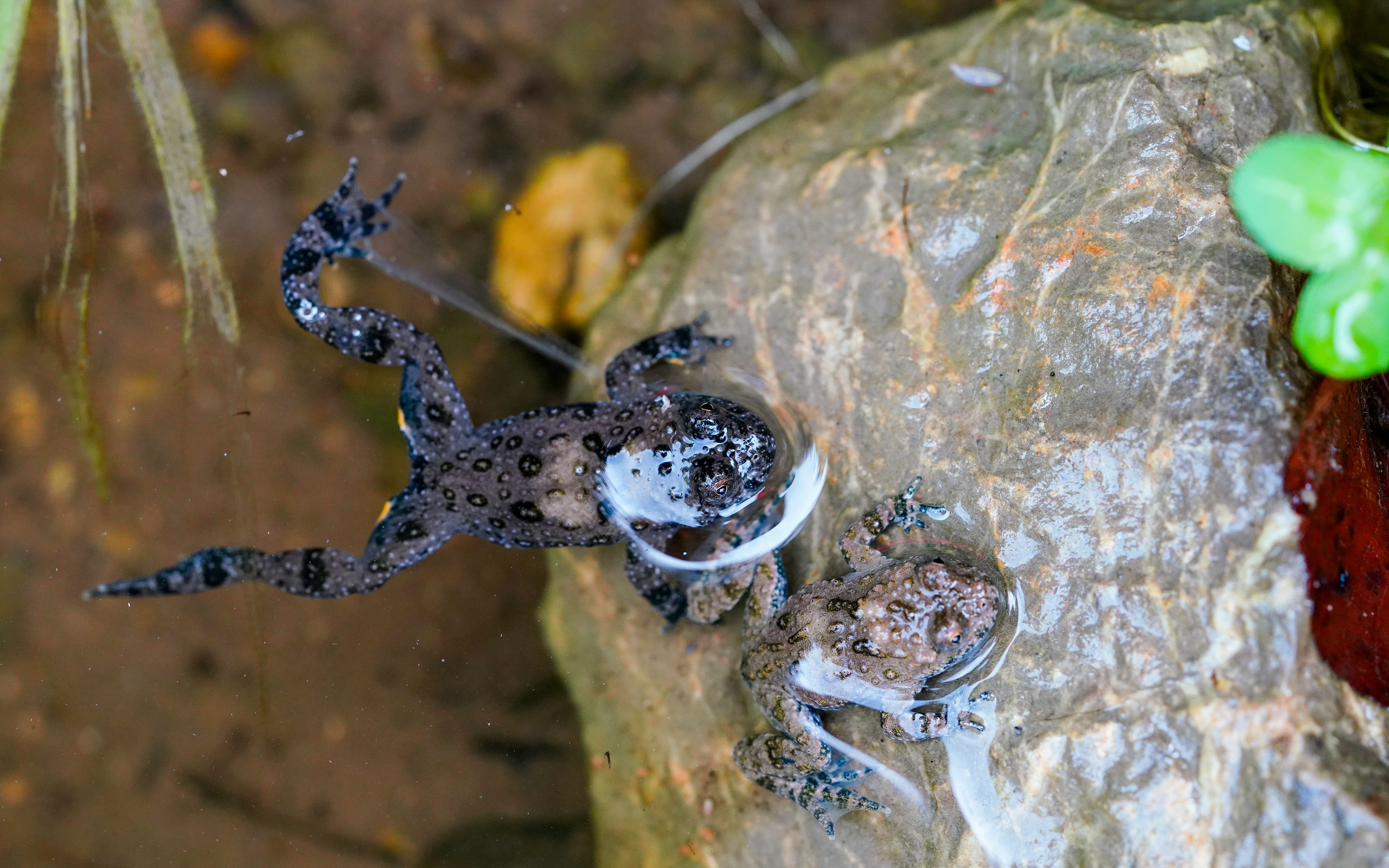
Endangered yellow-bellied toad on the Alpnach military airfield
armasuisse Real Estate
CH - 3003 Bern